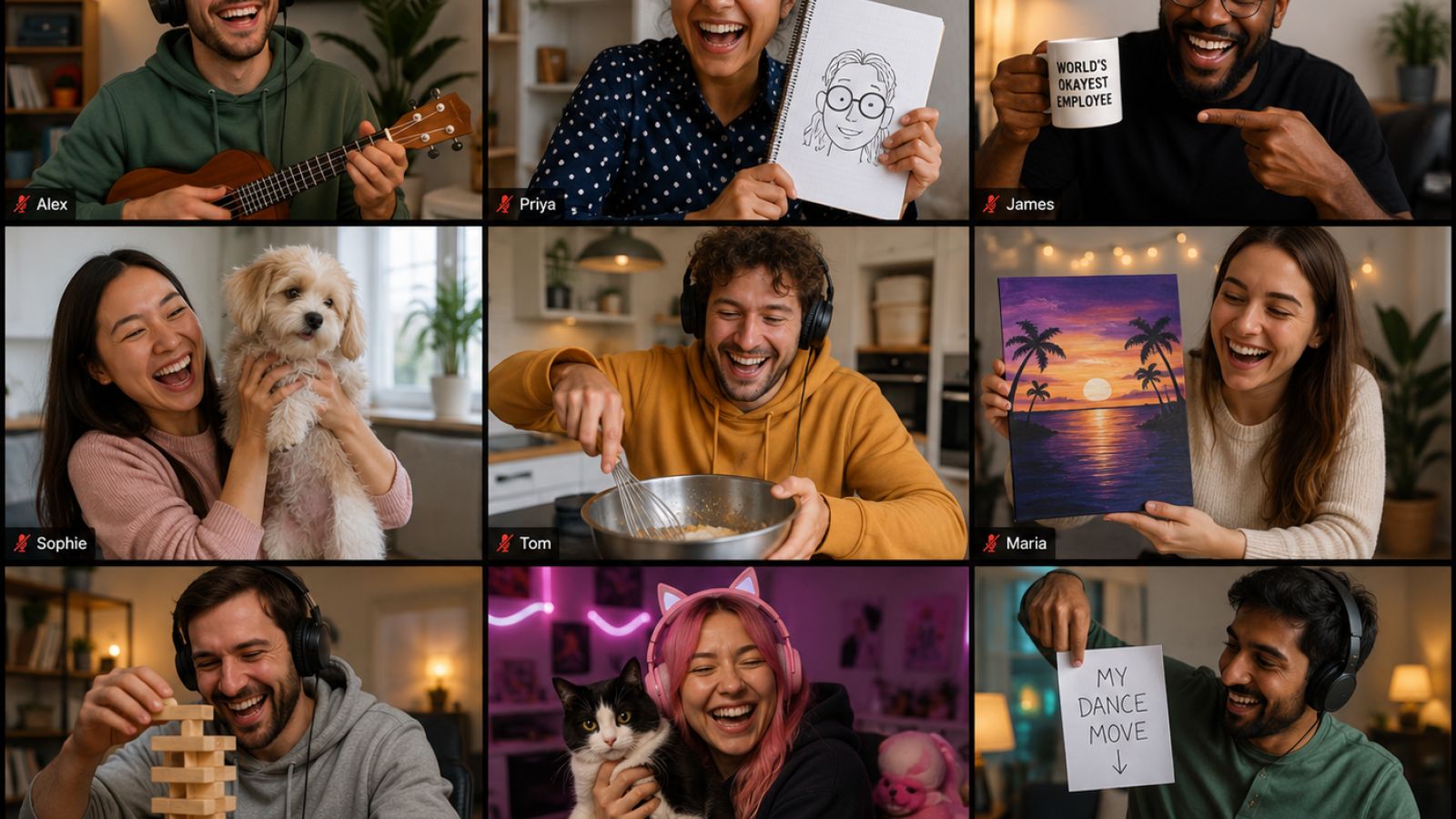

You’re on another video call. Cameras are on, but energy is low. Someone asks a question, and there’s that familiar pause no one wants to jump in first. A few people speak, the rest stay quiet, and the meeting moves on without much interaction.
Remote work didn’t remove collaboration it just changed how it happens. Without hallway chats or spontaneous moments, engagement has to be created more intentionally. And that’s where small, interactive elements can completely shift the dynamic.
So what if participation didn’t rely on who speaks up first? What if it happened naturally, without pressure?
What Happens When Participation Is Left to Chance?
At first, the idea of random selection might sound risky. What if someone doesn’t want to speak? What if it feels awkward?
But in practice, something different happens. When a system handles the selection, the pressure shifts away from individuals. No one is being singled out it’s just how the process works.
In many teams, using something like a rotating picker for team members creates a shared expectation. Everyone knows they might be called, so more people stay engaged throughout the session.
The interesting part is that participation becomes more evenly distributed without forcing it. It feels less like being chosen and more like being included.
10 Simple Ways to Use a Wheel of Names in Team Sessions
If you’re wondering how to actually use this in a real meeting, here are a few ideas that teams have found surprisingly effective:
1. Icebreaker Questions: Spin to pick who answers first. It removes hesitation at the start.
2. Random Presenter: Choose someone to summarize a topic or share an update.
3. Quick Feedback Round: Spin through names to collect short reactions from everyone.
4. Mini Challenges: Assign fun, low pressure tasks during longer sessions.
5. Brainstorm Rotation: Let the wheel decide who adds the next idea.
6. Team Pairing: Randomly match people for breakout discussions.
7. Topic Picker: Combine names with topics to keep things dynamic.
8. Recognition Moments: Spin to highlight someone’s contribution.
9. Decision Tie Breaker: Use randomness when the group can’t agree.
10. End of Meeting Reflection: Pick someone to share a takeaway.
Some teams even add a creative twist using a playful generator for team names to break the ice at the start of sessions. It adds a light, shared moment before the real work begins.
These ideas don’t require complex setup. They just introduce a structure where interaction happens more naturally.
Why Random Selection Feels More Inclusive Than It Sounds
It might seem counterintuitive, but randomness can actually create a stronger sense of inclusion. When participation is voluntary, certain voices dominate. When it’s structured but random, everyone has a place in the flow.
Imagine a meeting where only the most confident people speak. Now compare that to one where anyone might be invited into the conversation at any moment. The second environment feels more balanced, even if the method is simple.
There’s also a subtle psychological shift. People prepare differently when they know they could be part of the discussion. Attention increases not because of pressure, but because involvement feels possible.
Teams sometimes reinforce this by using a rotating set of unique group labels during activities, making each session feel slightly different. Small variations like this keep interactions from becoming predictable.
Over time, this builds a rhythm where participation isn’t forced it’s expected.
When a Small Interaction Changes the Entire Meeting
A long virtual session can easily drift into passive listening. People mute themselves, multitask, and wait for the meeting to end. But one small interactive moment can reset that energy.
For example, you introduce a quick spin to decide who shares next. Suddenly, attention shifts. People look up, listen more closely, and stay present because something might involve them directly.
Even simple tools like a fast yes or no decision helper can be used to break indecision in group discussions. It’s not about the complexity of the tool it’s about creating a moment where something happens.
The result isn’t just more interaction it’s a different atmosphere. Meetings feel less like a routine and more like a shared experience.
And once that shift happens, even small activities can have a much bigger impact.