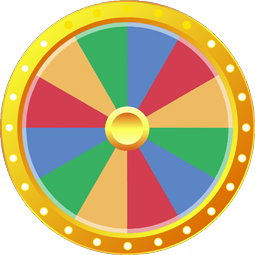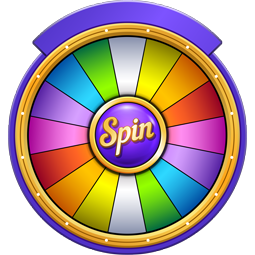

Most digital trends disappear once the novelty fades. Spin wheels somehow avoid that cycle. A simple spinning circle still pulls attention during livestream chats, classroom games, family gatherings, and party nights where nobody wants another long argument over what happens next.
The reaction starts before the result even appears. Twitch viewers spam predictions in chat. Students lean forward waiting to see who answers next. Friends suddenly stop talking because everybody wants to watch where the wheel lands. The suspense creates its own energy.
Inside broader interactive entertainment formats built around unpredictable outcomes, wheel based systems still work because the anticipation feels social instead of passive.
Why unpredictable outcomes still create strong group reactions
A spinning wheel changes the atmosphere faster than most people expect. During party games, one random result can instantly shift the entire mood of the room. In livestream chats, viewers start reacting before the wheel even slows down because everyone wants their option to survive until the final second.
The emotional pull is simple but effective. Nobody fully controls the outcome anymore, which removes pressure from the group while keeping attention locked on the same moment.
That effect appears constantly inside digital randomness systems that turn ordinary choices into shared reactions, especially when groups care more about suspense than the actual reward itself.
How spinning mechanics stay entertaining across different generations
Older audiences recognize wheel systems from television game shows, arcade prize wheels, and school activities. Younger users experience the same format through Discord calls, TikTok livestreams, classroom participation games, and multiplayer party streams online.
The technology changes, but the emotional rhythm stays almost identical. The wheel spins. The room waits. Someone celebrates early. Someone else groans before the result even locks in. That pattern keeps repeating because people naturally react to visible suspense.
Family game nights show the same behavior too. Even simple decisions like picking a movie, snack, or challenge suddenly feel bigger once the choice starts spinning in front of everyone.
Why simple random systems feel better than endless debating
Small group decisions become exhausting surprisingly fast. One friend wants horror movies. Another wants comedy. Someone refuses both and starts scrolling through unrelated options instead. Ten minutes disappear before anything actually happens.
A wheel interrupts that loop immediately. The moment the spin starts, the conversation shifts away from arguing and toward anticipation. That emotional reset is part of the reason wheel systems keep surviving across different social situations.
Inside binary decision moments where hesitation starts slowing the entire group, fast random outcomes often feel more satisfying than continuing the same discussion another five minutes.
Why visual suspense matters more than perfect randomness
Most people are not analyzing probability during a wheel spin. They are reacting to movement, pacing, and delayed resolution. The few seconds before the wheel stops create tension naturally because viewers can physically watch the outcome getting closer.
That difference matters during livestreams especially. A Twitch poll result appears instantly, but a spinning wheel stretches the suspense long enough for chat reactions, jokes, predictions, and emotional buildup to happen together in real time.
Even lightweight tools built around visual choice systems that transform simple picks into suspense moments usually create stronger engagement because the process feels alive instead of mechanical.
Randomness becomes more memorable once people experience the suspense together.
Classrooms reveal the same pattern clearly. Students who stay quiet during normal participation often react the second a visible turn wheel appears on screen. The process feels fairer because everyone watches the same outcome unfold at the same time instead of waiting for a teacher to choose manually.
That shared anticipation explains why spin wheels continue surviving across completely different environments. Party games, livestreams, classrooms, road trips, and family activities all use the same emotional trigger in slightly different ways.
The broader ecosystem behind interactive wheel systems designed for fast social engagement keeps expanding because the format works equally well for entertainment, lightweight decisions, audience participation, and spontaneous group reactions.
Spin-based suspense still works because anticipation usually becomes more powerful than the actual result.