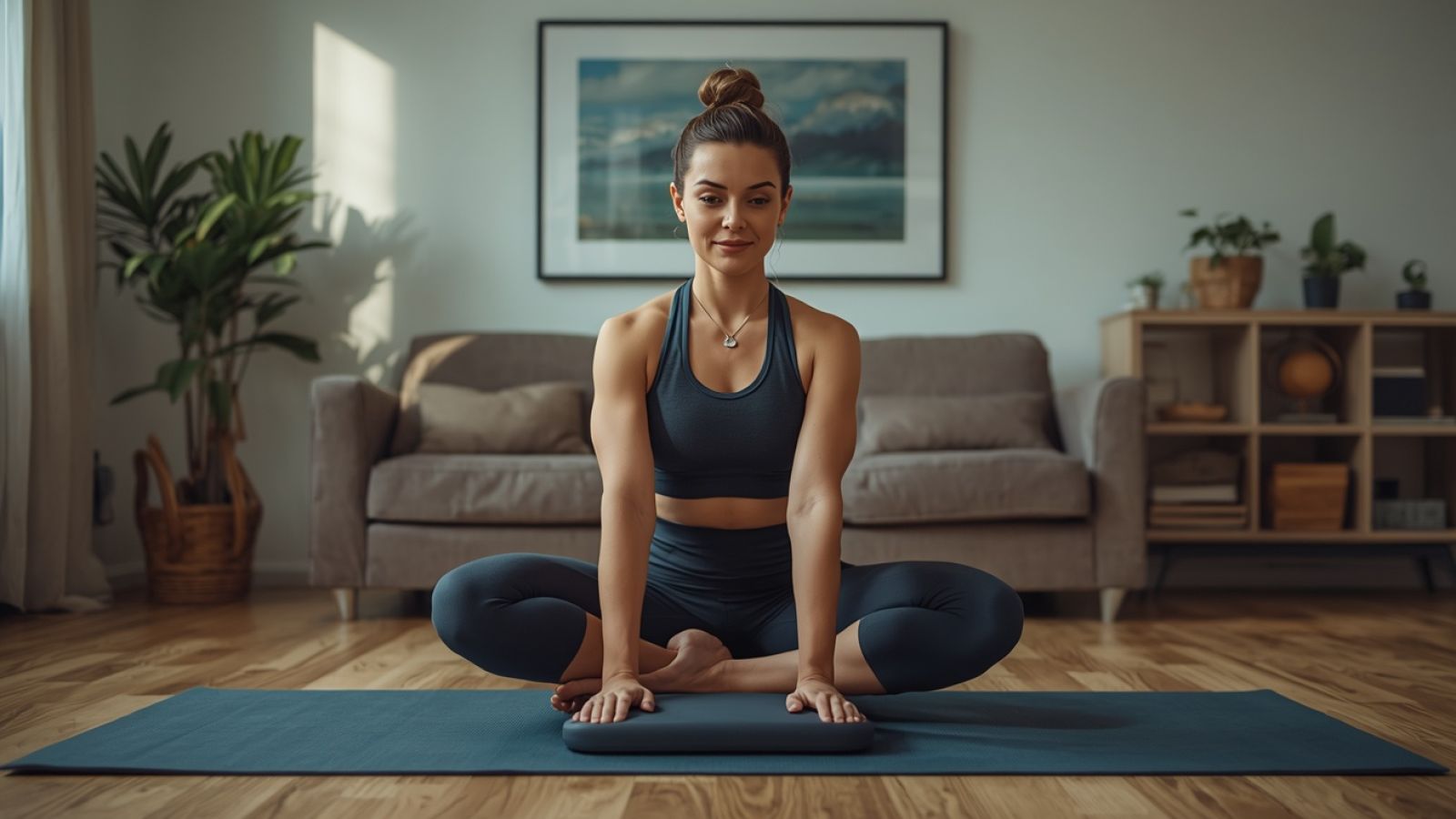

You get ready to work out, but something feels off. You already know what’s coming same exercises, same order, same pace. Even before you start, it feels predictable.
This is where motivation quietly drops. Not because you don’t want to train, but because nothing about the session feels fresh.
So what if you could keep the effort the same, but change how the workout feels?
Why Repetition Slowly Kills Workout Motivation
Most fitness routines are built on consistency, which is useful but over time, it can also make sessions feel repetitive.
When your brain already knows what’s next, there’s less engagement. You move through exercises automatically, without much excitement.
This doesn’t mean the workout is ineffective. It just means it feels harder to start.
For example, repeating the same set of movements every day can create a mental barrier, even if the routine itself is solid.
That’s where introducing something like a rotating set of fitness challenges can shift the experience. It keeps the structure, but changes the sequence.
The workout stops feeling like a script and starts feeling like something you react to.
How Randomness Makes Workouts Easier to Start
One of the hardest parts of exercising isn’t the effort it’s the decision to begin.
What will you do today? How long will it take? Which exercises should you pick?
Even small decisions can create hesitation. And that hesitation delays action.
Using a simple random system removes that layer. Instead of deciding, you follow a result.
For example, using a quick workout selector that chooses your next move eliminates the need to plan every step.
The interesting part is this: when the decision is made for you, starting becomes easier.
You’re no longer negotiating with yourself you’re just reacting.
Why Variety Keeps You Moving Longer
Even if the intensity stays the same, variety changes how a workout feels.
When exercises shift unexpectedly, your attention stays engaged. You’re not just counting reps you’re waiting to see what comes next.
This creates a subtle sense of momentum. Each movement leads into another without the usual mental slowdown.
Some people use tools like a flexible yoga or mobility challenge picker to introduce variation into otherwise static routines.
The result isn’t just physical it’s psychological. The session feels shorter, lighter, and more dynamic.
And that feeling often leads to longer, more consistent workouts over time.
Variety doesn’t replace discipline but it makes discipline easier to maintain.
How This Works in Real Workout Scenarios
Imagine starting your workout with no fixed plan. You spin once and get a strength move. You complete it. Then you spin again this time it’s cardio. Then core. Then mobility.
Each step builds on the last, but the path isn’t predetermined.
Even something as simple as a basic random selection tool for exercises can turn a routine into a sequence of small surprises.
This is especially useful for days when motivation is low. Instead of thinking about the entire workout, you focus on one step at a time.
That shift from planning to reacting reduces mental resistance.
And once you start, momentum usually takes over.