
You need to make a decision quickly. Maybe it’s something simple what to do next, who goes first, or which option to pick. You think about using a spinning wheel. Then you remember roulette, and suddenly the two feel similar… but also not quite the same.
At a glance, both involve spinning and randomness. But the intention behind them and the experience they create are completely different. One is designed for flexible decisions and interaction. The other is built around risk and fixed rules.
So if both rely on chance, what actually separates them? And more importantly, which one fits your situation better?
How Spin Wheels and Roulette Actually Work
On the surface, both systems look familiar: something spins, and it lands on a result. But what happens behind that motion is very different.
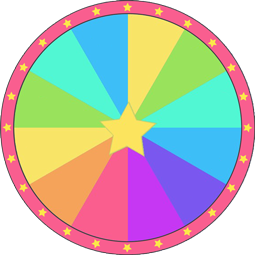
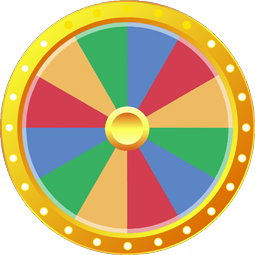
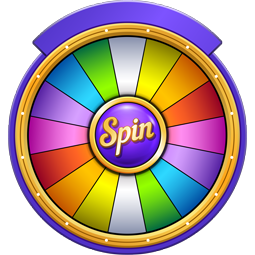
A spin wheel especially in digital form uses a controlled random system. Each segment is defined by the user or creator, and the outcome is generated based on evenly distributed probability (unless adjusted intentionally).
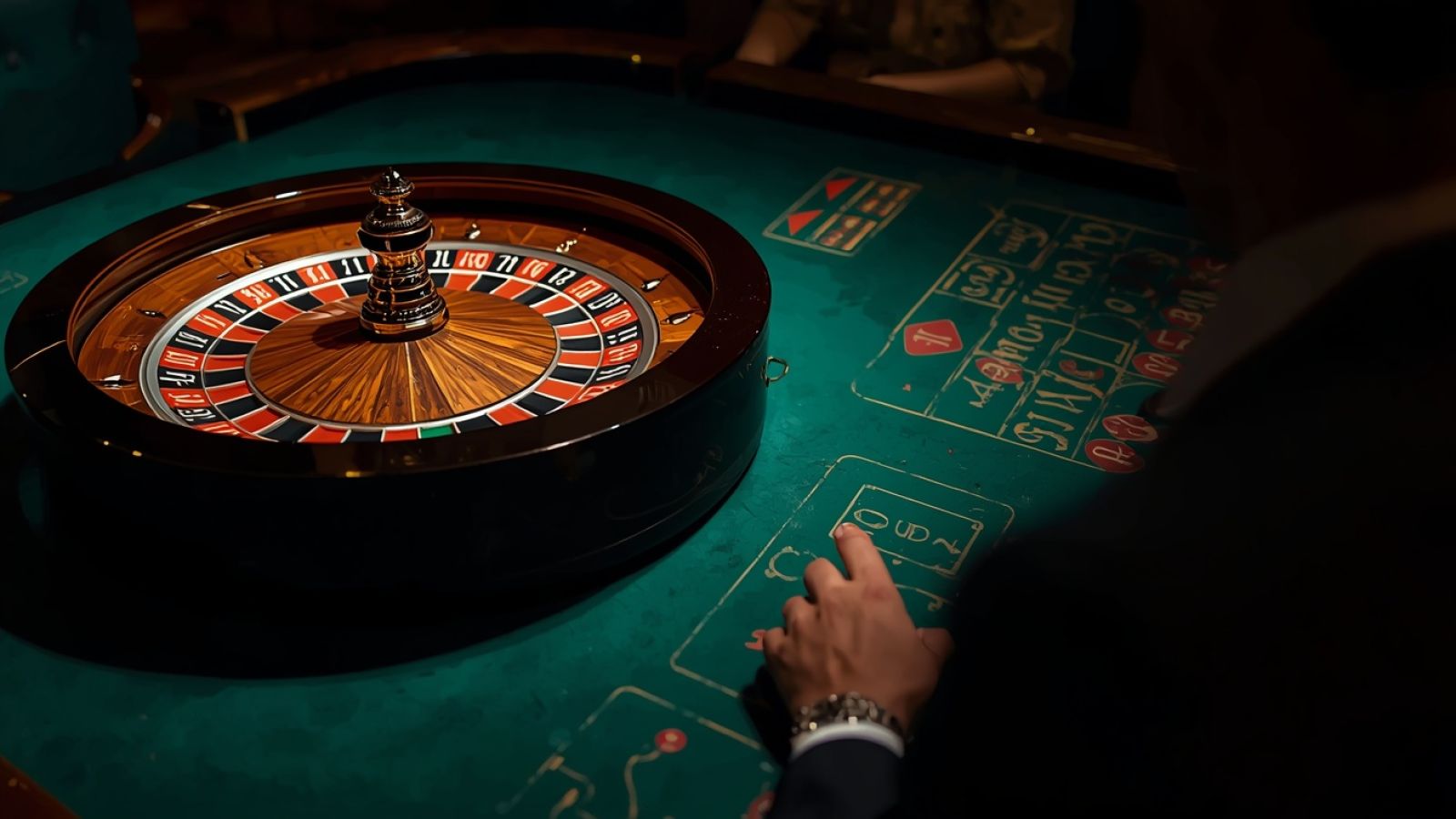
Roulette, on the other hand, follows a fixed physical system. The wheel, ball, and table layout are standardized, and outcomes are tied to specific probabilities that players cannot change.
For example, when using a customizable decision wheel for everyday choices, you control what goes on the wheel. In roulette, you don’t control the outcomes you only react to them.
This difference sets the foundation for how each tool is used.
Why Their Purpose Feels Completely Different
Even though both involve randomness, the intention behind them creates a very different experience.
Spin wheels are typically used to make decisions easier. They remove hesitation, simplify choices, and create quick outcomes without pressure.
Roulette, by contrast, is designed around risk. The entire experience is built on uncertainty, stakes, and potential loss or gain.
That’s why the same spinning motion can feel playful in one context and intense in another.
For instance, using something like a lightweight random picker for everyday use feels casual and low-stakes. You’re not risking anything you’re just letting chance guide a decision.
In roulette, every spin carries weight. The outcome isn’t just a choice it’s a consequence.
The interesting part is that both systems rely on randomness, but the emotional response they create is entirely different.
Controlled Randomness vs Fixed Probability Systems
One of the most important differences is control.
Spin wheels offer flexible randomness. You can add or remove options, adjust probabilities, and tailor the experience to fit your needs. This makes them useful in a wide range of scenarios from games to decision-making to group interaction.
Roulette operates within a fixed probability structure. The number of slots, their values, and the odds are all predetermined. There’s no customization only participation.
Think about it this way: a spin wheel adapts to your context, while roulette stays the same regardless of how you use it.
Tools like a flexible selection wheel for varied outcomes highlight this difference. You can reshape the experience at any time, which makes it more versatile for everyday use.
With roulette, the system defines the experience. With spin wheels, you define the system.
When to Use a Spin Wheel vs When Roulette Makes Sense
Choosing between the two comes down to your goal.
If you want to make a decision quickly, involve a group, or explore different options without pressure, a spin wheel is the better fit. It keeps things light, fast, and adaptable.
If the goal is entertainment built around risk and fixed outcomes, roulette provides that structure. It’s not about flexibility it’s about the experience of chance within set rules.
For example, if you’re deciding between multiple options or assigning tasks, something like a simple yes-or-no decision spinner works instantly. There’s no setup complexity, and the result is immediate.
But if you’re looking for a game where the outcome carries stakes and tension, roulette delivers that in a way a spin wheel isn’t designed to.
In the end, both systems use randomness but they serve completely different purposes.
Understanding that difference helps you choose the right tool without overthinking it.