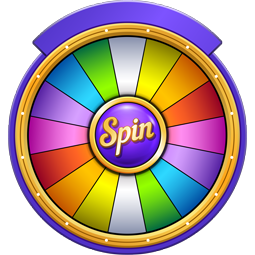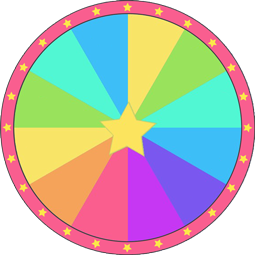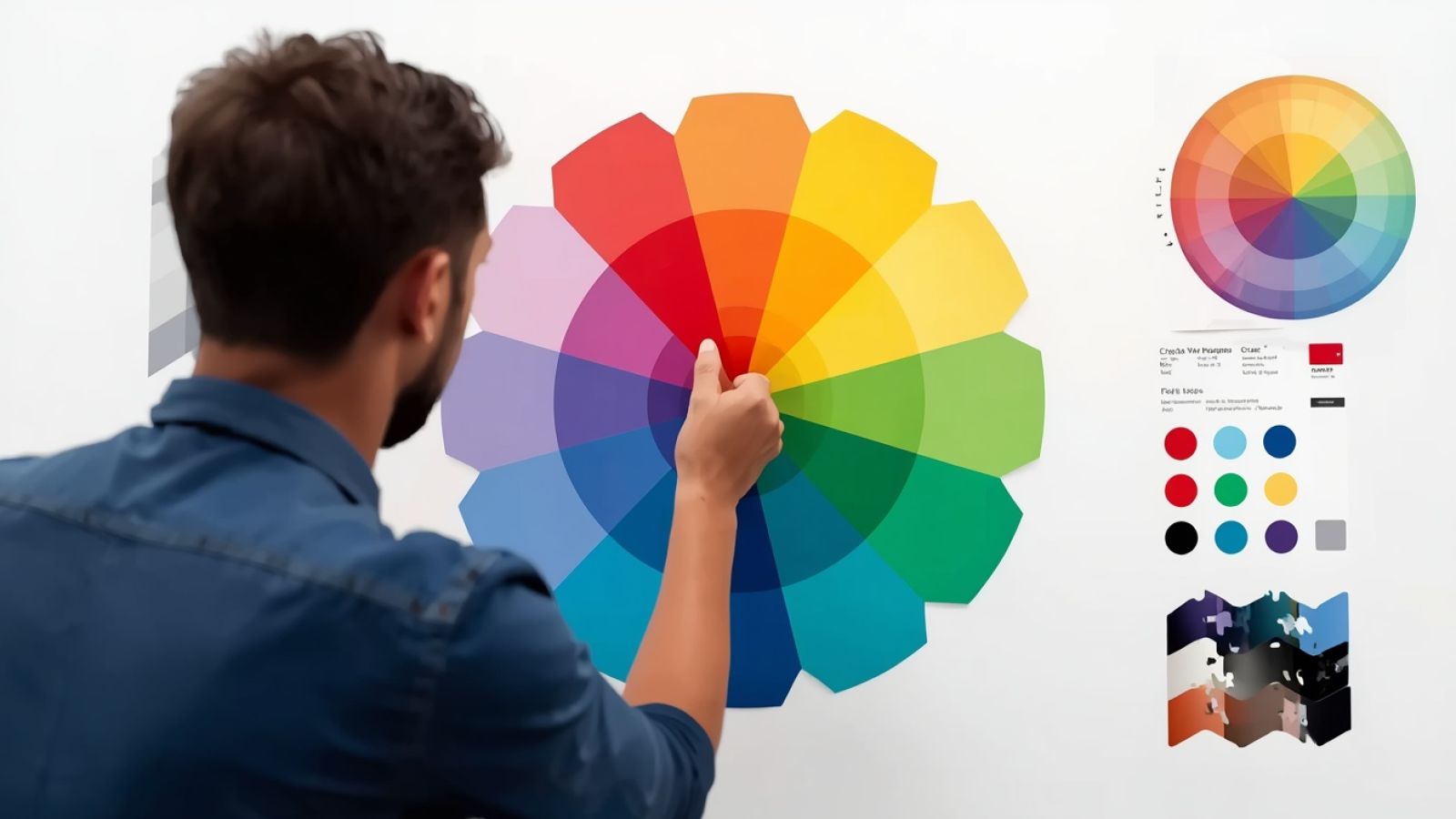

You open a design tool and start building something simple a wheel with a few sections. You add colors quickly, almost without thinking. It looks fine. Balanced. Clean.
But then something feels off. It works visually, yet it doesn’t feel engaging. It doesn’t pull attention or create any real reaction.
This is where color stops being decoration and starts becoming a decision.
How Color Shapes What People Notice First
Before users read anything or understand what a wheel does, they react to color. It’s the first signal the brain processes, often in milliseconds.
Bright contrasts grab attention instantly. Softer palettes invite longer focus. Even slight variations in tone can change how a design feels.
For example, a wheel built with high-saturation colors will feel energetic and playful, while one with muted tones can feel calm or even serious.
Designers often experiment with tools like a dynamic color combination generator to explore how different palettes affect visual balance.
The key insight is simple: people don’t just see color they feel it.
And that feeling influences whether they stay or move on.
Why Poor Color Choices Break Engagement
A wheel can function perfectly and still fail visually. This usually happens when colors clash, blend too much, or create confusion.
If sections are too similar, users struggle to distinguish them. If they’re too aggressive, the design becomes overwhelming.
This creates friction not in usability, but in perception. People don’t consciously analyze it, but they feel it immediately.
For instance, a poorly balanced palette can make a simple interaction feel chaotic or unclear. On the other hand, a well-structured color system guides the eye naturally.
Using something like a structured palette exploration tool can help designers avoid repetitive or conflicting combinations.
The difference isn’t dramatic but it’s enough to change how users experience the entire interaction.
How Color Influences Perception and Decision Feel
Color doesn’t just affect how something looks it affects how it feels to use.
Warm tones like red, orange, and yellow tend to create urgency or excitement. Cooler tones like blue and green feel more stable and controlled.
This matters when designing a wheel, because the outcome is tied to emotion. The moment the wheel stops, the color it lands on becomes part of the experience.
Designers often test variations using tools like a randomized palette generator for visual experimentation to see how different combinations influence perception.
What’s interesting is that people often interpret outcomes differently based on color alone even when the underlying result is the same.
This means color subtly shapes meaning, not just appearance.
When Simplicity Creates Stronger Visual Impact
It’s easy to assume that more colors mean more engagement. In reality, the opposite is often true.
A focused palette creates clarity. It makes each section stand out without overwhelming the viewer.
For example, using 3–5 carefully chosen colors often creates a stronger visual identity than using 10 random ones.
Even simple tools like a minimal two-tone decision spinner show how limited color choices can still feel impactful.
The goal isn’t complexity it’s intention.
When every color has a purpose, the entire design feels more controlled, more deliberate, and more engaging.
And that’s what creates lasting visual impact.