
Some classrooms lose focus the second students realize the lesson will follow the exact same pattern again. A few students answer everything, others disappear quietly into the background, and even simple review sessions start feeling automatic before the first question finishes.
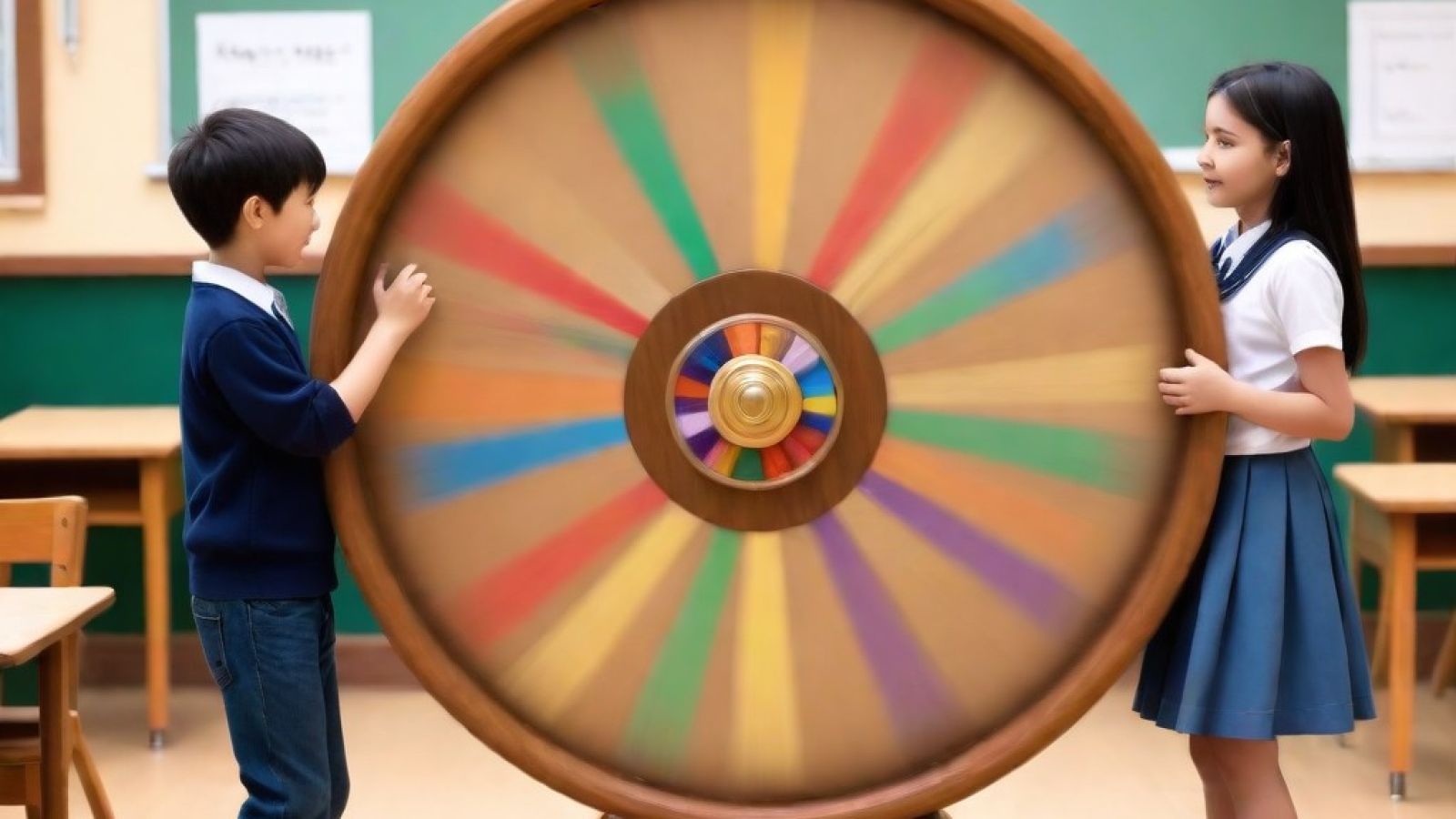
Wheel based study games change that rhythm because students cannot fully predict what happens next. The lesson stops feeling like a script and starts feeling reactive. One spin might trigger a timed debate. Another might assign presentation order or create a surprise challenge for the entire group.
Inside broader education focused systems built around active participation and classroom interaction, spinning mechanics continue spreading because they create movement without making lessons feel chaotic.
Why random classroom selection changes student behavior so quickly
Manual participation systems often create invisible patterns. The same confident students volunteer repeatedly while quieter students avoid eye contact hoping not to be called unexpectedly.
A wheel changes the emotional expectation inside the room. Students start watching the process together because nobody knows who gets selected next. That shared uncertainty keeps attention active longer than standard teacher led participation.
Classrooms using randomized student selection systems designed around fair participation flow often notice stronger engagement because the wheel removes the feeling of personal targeting during discussions or review games.
How wheel systems help lessons feel less repetitive during long school days
School routines naturally become predictable after several hours. Students recognize the structure before activities even begin, which makes energy drop faster during afternoon lessons or repetitive review sessions.
Wheel based study formats interrupt that pattern visually. The room pauses for the spin itself. Students wait for categories, names, challenge prompts, or topic switches before mentally checking out.
That effect becomes especially noticeable during fast classroom transitions. Systems connected to rapid classroom response formats built for short participation bursts usually keep momentum stronger because students react immediately instead of waiting through long instruction cycles.
Why teachers use spinning systems for more than just classroom games
Many teachers now use wheel systems beyond entertainment entirely. Some organize project order through spinning selection. Others rotate reading tasks, discussion leaders, or research topics without manually assigning every role themselves.
The practical value matters during crowded school schedules. A wheel removes several small classroom decisions instantly, which gives teachers more space to focus on pacing, explanation, and student interaction instead of constant organization.
Even flexible systems tied to name based classroom rotation tools used for balanced participation often improve lesson flow because the visible process feels faster and easier for students to accept.
How challenge based wheel activities improve classroom confidence
Students usually react differently once classroom tasks feel dynamic instead of fixed. A challenge wheel can create mini speaking tasks, short creative exercises, problem solving rounds, or collaborative activities that push students to participate without feeling formally tested.
Middle school environments often respond strongly to timed classroom challenges because the unpredictability creates excitement without requiring heavy competition. Younger students usually react more to movement, color, and surprise outcomes during learning activities.
Interactive formats linked to student challenge systems designed around fast classroom engagement frequently work best when lessons need an energy reset halfway through long study periods.
Students often focus harder once participation feels reactive instead of routine.
Wheel systems also adapt surprisingly well to hybrid learning. Teachers use them during Zoom lessons, online tutoring sessions, and digital review activities because spinning visuals hold attention better than static task lists on a screen.
That flexibility explains why schools continue experimenting with wheel based participation formats across different subjects and age groups. Science reviews, reading exercises, language practice, history discussions, and classroom warmups all benefit from visible unpredictability in different ways.
Digital platforms connected to interactive wheel systems designed for learning, participation, and classroom pacing continue growing because they combine structure with curiosity instead of forcing students into passive repetition.
The wider ecosystem behind spinning systems created for engagement, classroom interaction, and group learning keeps expanding because schools increasingly value participation models that feel active without becoming difficult to manage.
The strongest classroom reactions usually happen the moment students stop predicting the lesson and start watching for what happens next.