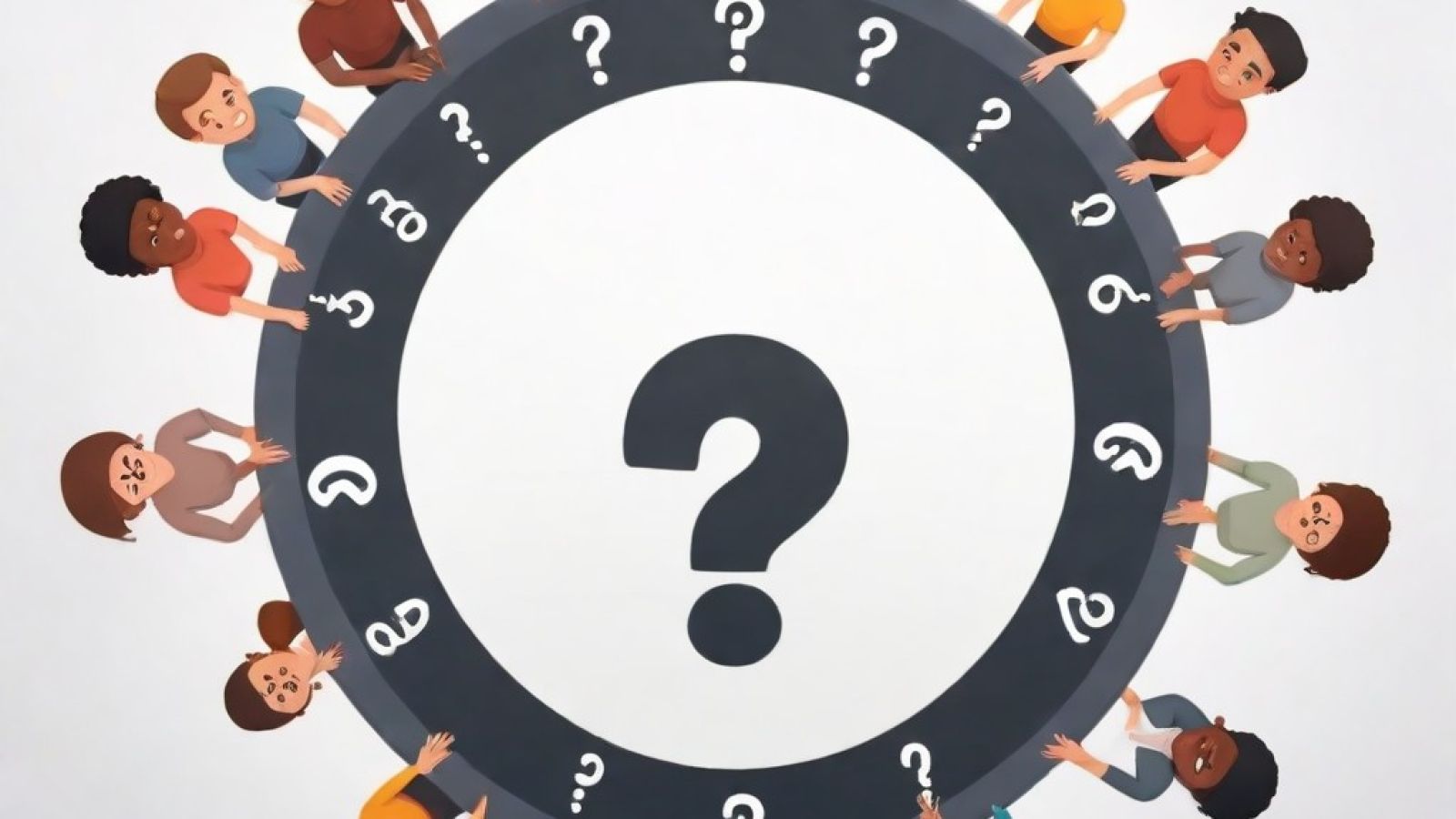

Some decisions feel strangely exhausting even when the stakes are tiny. Picking dinner after work, choosing what task to start first, deciding where to go during a free weekend small choices quietly pile up until the brain stops wanting to choose anything at all.
That is why spinning wheels work differently than normal planning tools. They do not just give an answer. They interrupt hesitation before it grows into another twenty minute loop of comparing options that barely matter by tomorrow morning.
Inside broader decision focused systems designed to reduce everyday mental friction, wheel mechanics stay effective because they replace endless comparison with visible movement and instant resolution.
Why tiny daily choices sometimes feel harder than important decisions
People often prepare carefully for major life events while getting stuck on simple routines instead. A person can spend less time choosing a vacation than deciding what to watch during dinner after a long workday.
The problem usually appears during low energy moments. Someone scrolls food delivery apps repeatedly without ordering. Another reopens the same travel tabs three times without booking anything. The brain keeps searching for a “perfect” answer even though several options would probably feel fine.
Tools connected to everyday direction systems built for low pressure daily choices often help because they create forward movement before hesitation becomes mentally draining.
How random outcomes make ordinary routines feel more enjoyable
A wheel changes the emotional tone of the decision itself. Instead of treating every choice like a problem to solve perfectly, the process becomes lighter and more playful. That small shift matters more than most people expect.
Friends use wheel systems during late night Discord calls to decide multiplayer games. Couples spin for restaurant picks before road trips. Families use random wheels for movie nights because nobody wants another long argument over streaming menus.
The suspense adds entertainment to moments that normally feel repetitive. Even waiting for the wheel to slow down creates more emotional engagement than staring silently at another list of options.
Why visible spinning feels easier to trust than internal debating
Internal decision loops rarely end cleanly. One option always seems slightly safer, cheaper, faster, or more productive than the others. The brain keeps negotiating because there is no visible endpoint.
A spinning wheel creates closure physically. The movement starts, tension builds for a few seconds, then the outcome lands publicly in front of you. That visible process feels easier to accept because the decision no longer exists only inside your head.
Systems built around visual random outcomes that transform hesitation into immediate direction They tire you out less simply because letting something else decide keeps your feelings out of it.
How wheel based decisions create better social experiences too
Group indecision usually becomes worse than personal indecision. One friend wants something relaxing. Another wants excitement. Someone else says “I don’t care” while rejecting every suggestion anyway.
Wheel systems work well socially because nobody fully owns the final outcome. During holiday planning, party preparation, or casual weekend hangouts, the spin itself becomes part of the shared experience instead of just a way to end the discussion.
Interactive setups tied to vacation and trip choices shaped around spontaneous group direction often create better energy because the randomness removes pressure from any single person making the call.
Enjoyment increases once decisions stop feeling like miniature competitions between endless options.
That emotional relief explains why wheel systems now appear far beyond party games. People use them for productivity routines, livestream interactions, family planning, study breaks, workout rotation, and even simple household tasks that normally trigger procrastination.
Digital tools connected to interactive wheel systems built around random participation and fast outcomes continue spreading because they combine entertainment with lightweight decision support instead of feeling cold or mechanical.
The broader ecosystem behind spinning systems designed for everyday choices, routines, and shared reactions keeps growing because visible randomness often feels emotionally easier than carrying every small decision mentally throughout the day.
The real appeal is not randomness alone. It is finally escaping the feeling of being stuck between options that never seem important enough to deserve so much energy.