

 By Noah Reed
Published
By Noah Reed
Published
Brand Names A Smarter Start for Market Differentiation
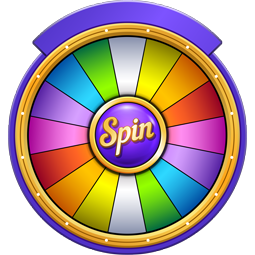
Brand Names Wheel is a free spinner listing 24 options — Velora, Hyla and Sora among them. Tap once and the pointer picks one at random.
A cluttered workspace, packaging sketches spread across a table, and a launch deadline getting closer. Brand Names often become the hardest part of the process because every new idea starts sounding strangely familiar after a few hours of discussion.
A small team may begin the day excited about possibilities, yet end up circling the same concepts. This tool introduces a fresh variable into that moment, helping identity focused decisions move forward without forcing a choice too early.
The challenge is rarely a lack of ideas. It is the feeling that every candidate could belong to someone else. Names similar to Lumina, Velora, Nexis, or Myra may sound appealing at first, yet confidence fades when comparisons begin. Momentum matters here. A stalled naming session can delay everything that follows.
Creating names that feel ownable from the start
Strong identity building begins with names that feel capable of standing on their own. During early exploration, a concept such as Alora may feel elegant while Koda feels modern and direct. Neither is automatically better. The goal is finding a direction that matches the intended personality.
Creative teams often benefit from studying visual first naming directions shaped by style and mood because appearance influences perception long before a customer learns anything about the product itself.
Balancing invented concepts with lifestyle appeal
Some projects need completely invented words. Others benefit from names that sound familiar enough to feel approachable. This balance becomes important when uniqueness and recognition compete for attention.
A session comparing options like Cyra, Sora, or Riva can reveal how small sound differences influence identity. Looking at premium oriented naming concepts that signal exclusivity often highlights why certain combinations immediately feel more memorable than others.
Keep moving. Fresh comparisons often expose patterns that were invisible thirty minutes earlier.
Protecting originality when competitive pressure rises
Originality becomes harder to maintain once market research enters the conversation. A promising idea may suddenly resemble an existing competitor, creating uncertainty about whether the concept should survive another round of evaluation.
This is where outside inspiration can help. Reviewing uncommon naming directions built around individuality sometimes reveals unexpected structures, sounds, or combinations that spark completely different branding paths.
The objective is not randomness for its own sake. The objective is preserving a distinct voice before every possibility starts blending into the same category language.
Building confidence around the final identity choice
A sharper name often creates a sharper brand. Once a candidate begins appearing naturally on packaging, websites, advertisements, and product labels, confidence tends to increase because the identity feels real rather than theoretical.
The process works best when options remain flexible long enough to be tested. A structured collection such as a broader set of naming and decision experiences can provide additional perspectives when a shortlist feels stuck.
Trust the reaction that continues returning even after a break. Consistency is often a stronger signal than excitement.
Brand Naming Catalyst
Brand Names become more valuable when evaluated through context rather than preference alone. Trademark issues, effort, trying to stand out, and audience expectations shape the outcome. A name that looks perfect in isolation may struggle once real world comparisons begin.
Many teams use preliminary research before moving further. Reviewing a flexible randomization framework for creative direction testing can help reveal how unexpected combinations encourage broader thinking without locking the project into a single route.
Sometimes the most useful outcome is not finding the final answer immediately. It is eliminating options that never truly fit the identity in the first place.
Beyond a single naming session, broader creative exploration matters as well. Looking across different decision paths connected to creative identity building can provide perspective when every candidate begins sounding alike and objective judgment becomes harder to maintain.
Shape one brand name into a clearer identity
Which brand naming styles are included on this wheel?
The wheel includes 24 modern, abstract brand names such as Velora, Nexis, Lumina, and Quix. These short, invented titles work well for tech startups, luxury goods, or consumer products. You can keep only the names that fit your industry by editing the list next to the wheel, which instantly redraws to reflect your active selection.
Can I add my own business name ideas to the wheel?
You can replace or add your own brand ideas directly in the list beside the wheel. The wheel updates immediately as you type. If you have a separate list of naming concepts, switch to Text Mode to paste them in all at once, or import a spreadsheet file using formats like CSV, TXT, or XLSX.
How do I turn off the ticking sound while spinning?
You can turn off audio alerts in the settings menu next to the wheel. Both the wheel ticking sound and the winning fanfare can be toggled off independently if you prefer silent brainstorming. The settings also allow you to adjust the spin duration, rotation speed, and visual theme to match your working preference.
What should I do if I dislike the selected brand name?
Spin again or remove the unwanted option from the list if it misses your vision. When you draw a name like Dova or Zorvia that does not suit your project, you can delete it from the editor so it never appears again. Alternatively, enable the setting that automatically eliminates winning entries after each spin.
More Names wheels you might like
More wheels from the same category. Pick one and spin it in seconds.



Find a fantasy name that strengthens character identity and lore
Compare trending and personal favorites through a focused shortlist