

 By Noah Reed
Published
By Noah Reed
Published
Classic Names With Timeless Identity and Lasting Meaning
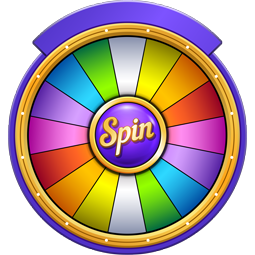
Classic Names Wheel is a free spinner listing 24 options — John, Joseph and Maria among them. Tap once and the pointer picks one at random.
Classic Names can feel warmer than modern trends because they carry memory, family weight, and a sense of identity that does not disappear after one season. A name like Mary, James, Anna, or Henry may seem simple at first, yet it often brings a room back to old stories, framed photos, and people whose choices still shape the family conversation.
The problem starts when the old photo box is open and every generation reads the same name differently. One person hears tradition. Another hears something too formal. Someone else wants a name that feels current, but not detached from personal heritage. That tension is the real naming problem here. The choice is not only about sound. It is about whether the name can carry belonging without feeling frozen in the past.
A random picker gives that discussion a quieter center. It does not erase taste, memory, or social bias. It simply places one traditional option on the table so the group can react honestly. Let the first reaction speak. Then the deeper preference becomes easier to notice.
Names That Keep Familiar History in the Room
Names with long cultural memory often work because they arrive with recognition already attached. John, Sarah, Robert, and Alice do not need much explanation; they feel known before anyone starts defending them. That familiarity can calm a naming conversation that might otherwise split between novelty and heritage.
In a classroom or family history setting, the connection becomes even clearer because traditional names inside shared learning spaces can show how familiar choices keep moving through different generations without losing their basic shape.
Classic Names also make people reveal what they value. A relative may prefer Grace because it sounds gentle. Another may lean toward Edward because it feels steady. Those reactions are useful. They expose identity signals that a trend list usually hides.
Vintage Dignity Against Modern Naming Pressure
Modern names can feel exciting, but excitement is not the same as durability. A trend may fit the present moment and still feel thin during a family discussion shaped by memory, surname rhythm, and future identity. That is where vintage dignity has force.
The contrast becomes practical when heritage names for lasting family identity enter the conversation, because baby name choices often carry more pressure than casual naming games. People are not only reacting to style. They are imagining how a name will sound in school, at work, and across adulthood.
Hold the name in a longer timeline. If Rose, David, Clara, or Thomas still feels balanced after that pause, the choice has more than old fashioned charm. It has staying power.
Heritage That Makes a Name Feel Reassuring
Reassurance comes from continuity. A name with history suggests that the choice has already survived shifting tastes, different social settings, and changing expectations. It gives the group something stable to gather around.
That stability is not limited to birth names. Even online identity can borrow from older naming patterns, and classic identity cues in username choices show how people still use familiar sounds when they want a profile to feel grounded instead of disposable.
Classic Names can also soften disagreement. A grandparent may connect Joseph or Martha to family memory, while a younger person may notice the clean rhythm of Jane or Louis. Different reasons can still point toward the same name.
Timeless Character That Gives the Choice More Weight
A timeless name gives the final choice a deeper character because it feels connected to more than one person’s current mood. It can hold cultural legacy, personal association, and quiet dignity at the same time.
This matters most when the group is close to settling but not fully convinced. The random result becomes a mirror. If Helen appears and the room warms, that reaction says something. If Richard feels too heavy, that says something too. The tool is not replacing judgment; it is revealing it.
Small signals count. A pause, a smile, or a remembered story can carry more meaning than a long debate about what sounds fashionable.
Heritage Name Logic
The logic behind heritage naming is shaped by cultural legacy, naming tradition, familiarity effect, and the subtle social bias people bring into family choices. A reference point such as random selection beyond a single naming mood can help separate instant preference from inherited expectation, especially when the discussion has become too personal to judge clearly.
The wider lesson is simple. Names do not live alone. They sit inside memory, taste, social setting, and future self image. A broader frame like identity choices shaped by random tools can make one name feel less like an isolated pick and more like part of a larger pattern of personal meaning.
Match a timeless name to lasting identity
Which traditional baby names are included on this wheel?
The wheel features 24 traditional names such as William, Mary, James, and Rose. It draws from enduring historical names like Henry, Clara, Thomas, and Martha that carry deep cultural roots. You can spin the wheel to pick one at random, or adjust the list next to the wheel to add more family names.
Can I use this wheel to pick vintage character names?
You can use this wheel to pick authentic period names like Edith, Edward, George, and Helen for fiction or roleplay. Every slice on the wheel has an equal chance of winning. If you want to include specific historical eras, you can paste your own list into Text Mode all at once.
How do I change the colours and theme of the wheel?
You can change the colours and visual theme directly in the settings menu. The tool lets you adjust the palette to fit your preference, along with spin speed and duration. All settings work on mobile phones and tablets without needing an account, and your changes display instantly on the screen.
What should I do if I dislike the name that gets picked?
Simply spin the wheel again if you draw an option like Richard or Jane that does not fit. You can also turn on the option to remove each winner from the wheel so unwanted names do not appear again, or delete names directly from the list next to the wheel.
More Names wheels you might like
More wheels from the same category. Pick one and spin it in seconds.