

 By Noah Reed
Published
By Noah Reed
Published
Company Names Between Legacy Trust and Modern Identity
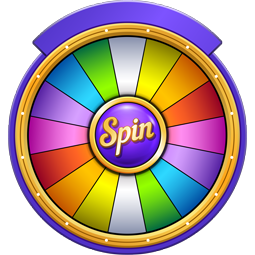
Company Names Wheel is an online names wheel built from 24 equally sized segments, among them PrimeCorp, DirectCorp and OmegaGroup. Every spin returns a single result.
Everyone expects a business name to feel memorable. Reality is less comfortable. Company Names often carry assumptions about credibility, ambition, and professionalism long before a founder explains the idea behind the business.
A founder reviewing logo drafts before an important presentation rarely worries only about design. The deeper question is whether the name projects stability like an established enterprise or freshness like a modern startup. That tension shapes nearly every naming decision.
The challenge becomes sharper when several strong options seem equally reasonable. A name that sounds authoritative may feel dated. A name that feels innovative may appear less trustworthy. Small differences suddenly seem important because the choice becomes part of the company's identity.
Testing names against first impressions and pitch materials
Early presentations reveal weaknesses that are easy to miss during brainstorming. A name inspired by concepts similar to PrimeCorp or ApexCo might sound confident in conversation but feel generic on a slide. Meanwhile, a more distinctive direction can stand out immediately. Similar comparisons often appear while reviewing business naming ideas shaped by technology focused branding.
Context matters. A founder speaking with potential partners wants clarity within seconds. Short exposure creates fast judgments, and those judgments influence trust before any product details appear.
Balancing heritage signals against modern brand positioning
Many entrepreneurs assume established sounding names automatically create confidence. That belief is incomplete. Names resembling LegacyCo, RegentGroup, or CrownLtd can communicate history, but they may also reduce differentiation if competitors use similar patterns.
The opposite risk exists as well. A highly modern label may attract attention yet struggle to convey reliability. This contrast becomes clearer when comparing naming styles from different fields, including traditional naming approaches that remain recognizable across generations.
Pause and compare the emotional reaction created by each option. The strongest candidate often sits between familiarity and novelty rather than at either extreme.
How trust influences reactions to a business name
Trust forms surprisingly fast. Before customers evaluate products or services, they evaluate signals. Names that suggest stability, such as concepts similar to AnchorLtd or PillarCo, often create an expectation of reliability.
At the same time, modern markets reward distinctiveness. Founders researching innovation driven naming styles from technology sectors often notice that memorable names create stronger recall without abandoning professionalism.
Small impressions accumulate. A clearer identity encourages stronger recognition, and stronger recognition supports future brand equity.
Creating clearer positioning through stronger naming choices
Company Names become easier to evaluate when each option is connected to a specific market position. One candidate may signal premium expertise. Another may emphasize accessibility. A third may communicate scale and authority.
Focus on the story each option tells. Quick elimination of weak candidates helps reveal which direction matches the intended audience. The goal is not perfection. The goal is alignment.
A structured naming exercise can reduce hesitation and produce a more confident final selection.
Company Naming Framework
Research from randomized comparison tools used for structured option evaluation highlights an interesting pattern. People often discover their preferred choice only after seeing alternatives placed side by side. The process exposes hidden preferences that were difficult to recognize earlier.
That insight matters because Company Names are rarely judged in isolation. They compete against expectations, competitors, and market assumptions. Seeing options in rotation can reveal which candidate consistently feels strongest.
A broader perspective also helps. Founders exploring different decision frameworks across varied selection scenarios often notice that confidence increases when choices are narrowed through a consistent process rather than repeated guesswork.
Position one company name for stronger founder confidence
Which naming styles are included on the company names wheel?
The wheel includes authoritative, traditional, and forward-looking naming directions, combining different prefixes with suffixes like Corp, Group, Co, and Ltd. Examples range from heritage-focused ideas like TrustLtd, LegacyCo, and CrownLtd to dynamic options like NovaGroup, ApexCo, and ZenithLtd. Comparing these 24 distinct styles against each other helps identify which broad tone fits your business before narrowing down specific candidates.
Can I replace the corporate names with my own brand ideas?
You can edit the entries list directly next to the wheel or switch to Text Mode to paste your own list. If you have custom names drafted, paste them one per line or import a .csv or .xlsx file. As you replace defaults like MasterGroup or TitanLtd with your own ideas, the wheel redraws automatically. The tool is free and requires no account.
How do I change how long the company name wheel spins?
Adjust the spin duration in the settings panel to make the wheel turn longer or stop faster. Modifying the spin length and speed lets you run quick selections or extend the spin during group branding meetings. You can also turn off the ticking and win sounds if you prefer silent operation. The wheel uses your browser's cryptographic random generator to pick winners.
Should I adapt this list for startup project codenames?
Adapting the list for internal project codenames is a practical way to assign temporary labels before establishing legal branding. You can strip commercial suffixes like Ltd and Group, or import themes around words like TitanLtd, ApexCo, or ZenithLtd. Save customized wheels locally in your browser, or sign in to sync them to your other devices. An option removes picked winners so codenames are not repeated.
More Names wheels you might like
More wheels from the same category. Pick one and spin it in seconds.



Find a fantasy name that strengthens character identity and lore