

 By Maya Brooks
Published
By Maya Brooks
Published
Esports Teams When Match Night Needs One Clear Pick
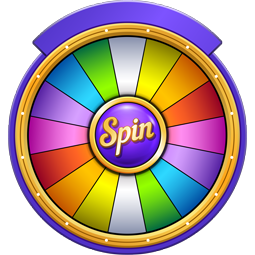
Esports Teams Wheel is an online sports wheel built from 20 equally sized segments, among them T1, LOUD and Mouz. Every spin returns a single result.
Esports Teams can turn one watch party into a loud argument before the first map even starts. The chat is moving fast, roster rumors are flying, and every supporter wants their region to be taken seriously.
One fan trusts T1 because of history. Another brings up G2 Esports because recent form looks sharper. Someone else pushes Team Liquid, Cloud9, or Sentinels because the matchup feels right for the weekend. The room does not need another ranking debate. It needs a clean team direction.
The pressure builds because esports loyalty is never only about results. It includes roster changes, meta shifts, old finals, regional pride, and community noise from places like Reddit. A team picker gives the group a neutral starting point, so the discussion can move from circular debate into the matches themselves.
Fans Reading Roster Changes Before Match Night
Roster news can change the whole mood of a watch party. A team that looked steady last month may feel risky after one role swap, while another lineup suddenly looks stronger after a clean playoff run. In that moment, one roster focused path for match night keeps the group from getting stuck between every possible contender.
This matters most when the debate becomes social. One person follows Fnatic for legacy, another likes NAVI for structure, and another wants FaZe Clan because the brand feels exciting. The picker does not erase those reasons. It gives them one shared direction.
Legacy Organizations Facing Rising Contenders
Established organizations carry weight before a match even begins. Fans often trust names with long histories because they feel proven under pressure. But esports moves quickly, and a rising team can change the tone of a season in one weekend.
That contrast makes Esports Teams harder to compare than a simple table suggests. Vitality may look strong because of recent results, while Gen.G or LOUD may bring a different kind of regional confidence. For viewers who want a more serious competitive frame, a professional team lens for sharper comparisons can help organize the conversation without turning it into a full statistics session.
Reputation still matters. Current form matters too. The best viewing choice often sits between both.
Community Loyalty Beyond Win Loss Records
Fans do not support teams like spreadsheets. They remember comeback maps, difficult rebuilds, player personalities, and the way a team made them feel during a major event. That is why a match chat can defend DRX, Karmine Corp, FlyQuest, or Team Secret with more emotion than the standings explain.
Support becomes even more visible when people compare esports loyalty with traditional sports loyalty. A viewer who understands regional team culture may also recognize fan identity shaped by team allegiance, where the badge, history, and shared reactions matter as much as the next result.
This is where the decision gets clearer. Follow the team that gives the group a story to react to, not only the team with the safest prediction.
Team Narratives That Make Competition Easier to Follow
Strong narratives make a tournament easier to enjoy. OG may bring a legacy discussion, Astralis may trigger memories of past dominance, and Mouz or NiP may create interest because their current direction feels different from the older era.
Esports Teams become more memorable when the group follows one storyline through the event. A chosen team gives every map more meaning. Every draft, mistake, comeback, and upset becomes easier to discuss because the room has a shared point of focus.
The result does not need to be perfect. It only needs to be clear enough to make the next match more engaging.
Team Evaluation Engine
Good evaluation starts with context. Performance metrics help, but they can mislead when a patch changes the meta or when a roster has not had enough time together. A team that looks weaker in raw results may still be improving in ways that matter for the next event.
Reference habits also matter. Liquipedia can help followers track rosters and tournament history, while community discussion shows how fans interpret recent form. When the group reaches a deadlock, a direct yes or no filter for stuck debates can reduce the pressure before the conversation gets too tangled.
Do not chase perfect certainty. In esports, the meta moves too fast for that.
A wider random choice habit can also help viewers treat the match night as a shared experience instead of a prediction contest. Some nights need a serious favorite. Some nights need a surprise team that gives everyone something new to follow.
That broader habit connects naturally with random decisions across shared viewing moments, especially when the group wants movement instead of another long argument. The tool gives the conversation a clean push, while the fans bring the energy that makes the result fun.
Esports Teams work best as a viewing anchor, not a final verdict. Once one team is selected, the chat has a reason to react together.
Back one team for this week's matches
Which esports teams are included on this wheel?
This wheel includes 20 major competitive organizations across multiple titles, such as T1, Fnatic, Cloud9, FaZe Clan, and NAVI. It also features rosters like G2 Esports, Sentinels, and Team Liquid. You can click on the list next to the wheel to delete organizations you do not follow or type in missing clubs, and the wheel updates automatically.
Can I use this wheel to pick an esports team to root for?
You can spin the wheel to pick a random team like Vitality, Gen.G, or LOUD to support during match night. Every organization has an equal slice size, and winners are selected using your browser's cryptographic random generator. If you need to pick several different teams in a row, enable the option to remove each winner after its spin.
How do I change how long the esports wheel spins?
You can adjust the spin length and rotation speed in the wheel settings. Setting a shorter duration gives you instant picks when matches are about to start, while a longer spin adds suspense during stream viewing. You can also turn off the ticking, win, and lose sound effects in the same settings menu if you prefer quiet spins.
What is a good way to adapt this wheel for a specific game?
Switch to Text Mode and paste in only the clubs competing in that specific event, such as Astralis, NiP, and Mouz for a Counter-Strike tournament. You can also import a match schedule from a spreadsheet file like .csv or .xlsx. The wheel redraws as you enter names and handles any number of teams with automatically resizing labels.
More Sports wheels you might like
More wheels from the same category. Pick one and spin it in seconds.

Random soccer club picker featuring the biggest football teams worldwide