
 By Maya Brooks
Published
By Maya Brooks
Published
Fortnite Landing Decisions That Shape Your First Fight
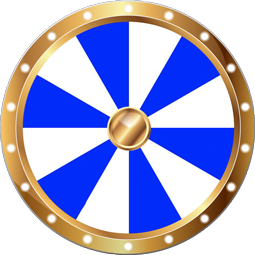
Fortnite Landing Wheel is a free online wheel spinner with 24 options, including Tilted, Frenzy Fields and Map Random. Click or tap the wheel and it stops on one random result.
You drop from the Battle Bus, map open, squad voices overlapping, and the Fortnite Landing choice has to happen now. Tilted looks crowded, a quiet edge zone feels slow, and hesitation lasts just long enough to ruin your angle.
The pressure is not about picking a place. It is about committing before the ground fills with players. A Fortnite Landing call decides whether you start with control or chaos.
You drift for one second too long, and another squad cuts your line. A teammate marks one location, another pings somewhere safer, and your glide path becomes messy. You land late, loot is already gone, and your first fight starts with a disadvantage you did not plan.
This is where early drop anxiety shows up. Not because the map is confusing, but because every second changes your survival odds.
Drop zone decisions under early match pressure
A strong Fortnite Landing begins before your feet hit the ground. You track bus path, watch where squads peel off, and choose a zone that matches your current tempo.
If your squad leans aggressive, a randomized drop pattern that disrupts predictable paths can keep you unpredictable against players who expect standard routes.
Commit early. Even a risky decision works better than a delayed one that leaves you exposed.
Hot drops versus safer landing zones
Not every Fortnite Landing needs to be a highlight clip. Hot zones bring fast loot and faster fights, but they also amplify mistakes. Safer areas offer slower starts with more control over your loadout.
That contrast matters more than players admit. When your loadout feels uncertain, a predefined weapon direction before landing can sharpen your approach instead of reacting after the fact.
Some matches demand speed. Others reward patience. The difference shows up in the first thirty seconds.
Unpredictable landings that reshape early momentum
There is a different energy when your Fortnite Landing is not fully planned. The drop becomes a moment of tension instead of routine, and that tension sharpens your awareness.
You land, scan, adapt. The outcome feels earned because it was not scripted. That same unpredictability appears in other shooters, where a randomized combat setup before engagement shifts how players approach the first encounter.
Let the drop surprise you sometimes. It changes how you read the map.
Landing outcomes that decide survival and early advantage
A clean Fortnite Landing is not about luck alone. It is about positioning, timing, and how quickly you convert that first chest into an advantage.
You either control the area or react to someone who does. There is no neutral ground in those first moments. The right drop gives you space, resources, and a clear next move.
Stay aware of rotation paths even before you land. That awareness often matters more than the initial loot itself.
Landing Decision Core
Most players think the best Fortnite Landing is always the one with the highest loot density. That assumption fails under pressure. High tier zones attract more players, which turns loot into a contested resource rather than a guaranteed advantage.
The real edge comes from matching your drop to your squad’s readiness. If communication is sharp and reactions are fast, aggressive zones can work. If coordination feels off, a controlled start gives you time to stabilize.
This is why a binary decision point for high pressure choices becomes useful in moments where hesitation creates more risk than the decision itself.
Early match decisions do not exist in isolation. They connect to how you approach every round afterward, and sometimes a broader decision reset beyond a single drop helps you break patterns that keep repeating across matches.
Drop into a random zone and embrace the chaos
Which Fortnite landing spots are included on this wheel?
This wheel contains 24 classic and chapter-based drop locations, including Tilted, Mega City, Pleasant Park, and Retail Row. It also features areas like Brutal Bastion, Kenjutsu, and Frenzy Fields, alongside a Map Random option. You can turn on the option to remove each winning spot after spinning so your squad never visits the same location twice during a session.
What should I do if the wheel lands on Map Random?
The Map Random slice means you pick an unlisted landmark or drop anywhere unexpected across the island instead of named spots like Slappy or Shattered. If you prefer strictly named locations, simply delete Map Random from the list next to the wheel. The wheel redraws automatically, leaving only specific points of interest like Greasy Grove and Anvil Square.
Can I add current season Fortnite locations to the wheel?
You can add new landing spots or replace existing ones using the list next to the wheel. The wheel redraws instantly as you type each new location. You can also switch to Text Mode to paste a complete list of POIs at once, or import locations from a spreadsheet file. There is no fixed limit on the number of entries you add.
Does every drop spot on the wheel have an equal chance?
Every drop location has an identical chance of being selected on every spin. All slices on the wheel are configured to the exact same size, and the tool uses your browser's cryptographic random generator to choose the winner. The outcome is completely unbiased, ensuring that spots like Lonely Labs, Steamy, and Risky Reels are picked purely at random.
More Games wheels you might like
More wheels from the same category. Pick one and spin it in seconds.

Break repetitive Sims 4 story loops with unexpected narrative direction


Spin random challenge wheel and trigger quick playful home movement