

 By Lily Parker
Published
By Lily Parker
Published
Happy Song Choices That Shift a Flat Evening Mood
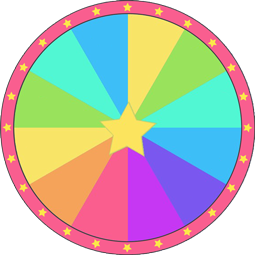
Happy Song Wheel is a free spinner listing 20 options — Feel Good, Energetic and Bouncy among them. Tap once and the pointer picks one at random.
The happy song feeling changes fast once the room stops feeling emotionally heavy. A quiet evening with reheated leftovers, low apartment lighting, and background noise from another room can suddenly feel lighter after one brighter track breaks the routine.
That is why a happy song wheel works well during low energy moments. It removes the slow playlist drift that usually keeps the same tired mood alive for another hour.
The emotional reset behind randomized entertainment formats that interrupt repetitive listening habits often comes from unpredictability rather than perfect music planning.
The problem usually starts after several skipped tracks. One song feels too slow, another feels forced, and eventually the evening turns into passive scrolling instead of actual listening. The apartment stays quiet in the wrong way. Even energetic playlists lose impact once every option starts blending together.
That shift matters more during solo listening moments. A random upbeat selection creates movement before the mood completely flattens. Small changes work faster than long searches.
Turning slow evenings into brighter listening momentum
Low energy evenings often create passive listening loops where nothing feels exciting enough to start. A happy song wheel changes that rhythm by introducing movement before the listener fully disconnects from the moment.
The effect becomes stronger when brighter sounds appear unexpectedly. Dance heavy beats, warm indie melodies, and lighter pop production can quickly reshape the emotional atmosphere inside a quiet apartment. Small emotional resets matter.
Some listeners move toward slower nighttime music that softens background tension without draining attention further once the first upbeat choice restores balance.
The difference between calming tracks and high energy positivity
Not every positive track creates the same emotional result. Soft background music keeps the room stable, while energetic songs actively push the atmosphere forward. The difference becomes obvious during repetitive weekday evenings where attention keeps fading.
Funk inspired rhythms, bright percussion, and faster vocal pacing often create stronger engagement than calm ambient tracks. That contrast helps listeners avoid slipping back into passive scrolling habits.
A more playful direction sometimes appears through radio style music rotations that keep upbeat momentum active longer during casual listening sessions.
How personal recovery habits shape upbeat music choices
Listening habits usually reflect emotional recovery patterns more than music expertise. Some people replay familiar summer tracks because predictability feels comforting after mentally repetitive days. Others need randomness to interrupt emotional stagnation.
A happy song selection tool creates distance from mood bias. That matters during evenings where every playlist suddenly feels identical. One unexpected upbeat track can reset focus faster than continuing the same routine another hour.
The emotional pacing behind background music choices that reduce mental clutter during quiet routines also explains why lighter songs feel more effective after long passive stretches.
Positive music choices that change the atmosphere of a quiet afternoon
Afternoon listening behaves differently from late night listening. During slower daytime hours, uplifting tracks often create movement inside otherwise repetitive routines like cleaning, cooking, or waiting for food to finish reheating.
That shift is usually physical before emotional. Shoulders relax. Movement speeds up. Attention returns. Even casual family chatter from another room starts feeling less distant once brighter music changes the pace of the environment.
Many listeners eventually move toward lighter mood based wheel experiences that break repetitive entertainment cycles naturally once they notice how random positive selections affect the room itself.
Why upbeat randomness works better than predictable replay loops
Repeating the same comfort tracks every evening slowly reduces their emotional impact. The brain starts predicting every transition before the song even develops momentum. That familiarity removes surprise.
A randomized positive track selection restores anticipation. Listeners stay more emotionally engaged because the next mood shift remains unknown. Research connected to attention recovery patterns and music driven dopamine response changes also supports how unpredictability can increase engagement during repetitive routines.
Short emotional resets matter more than perfect song curation. One brighter selection often changes the entire pace of the evening before the listener even notices it happening.
Your evening changes after one brighter listening choice
What music styles are included on the happy song wheel?
The wheel features bright musical moods and genres such as Upbeat Pop, Happy Indie, Funky Groove, and Dance Pop. You can use these selections to find matching tracks on your preferred music service. If you want specific songs instead of general prompts like Radiant or Golden Hour, edit the text list next to the wheel at any time.
Which song moods on the wheel work best for relaxing?
The wheel offers calmer, cheerful tones like Sunny Vibe, Light Heart, and Pure Bliss alongside faster options like Energetic or Joyful Beat. These entries help you discover tracks that lift the room without being overwhelming. You can adjust the spin speed and duration in the settings to match the pace you want for your evening.
Can I mute ticking and winning sounds on the happy song wheel?
You can turn off all audio playback directly in the wheel settings. The ticking sound, winning sound, and lose sound each have independent toggles so you can silence them completely. This lets you pick entries like Smile Song or Good Times quietly without clashing with music already playing on your speakers.
How do I get a different song if I dislike the result?
You can simply tap the wheel again to generate another random selection like Cheerful or Uplifting. To prevent a track category you dislike from appearing again during your session, turn on the option that removes each winner after it is drawn. You can also delete any entry directly from the list next to the wheel.
More Entertainment wheels you might like
More wheels from the same category. Pick one and spin it in seconds.







Let unexpected music choices reset the room’s listening energy instantly