

 By Lily Parker
Published
By Lily Parker
Published
A Holiday Destination Wheel for Turning Trip Ideas Into Direction
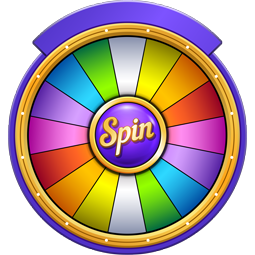
Holiday Destination Picker Wheel is a free online wheel spinner with 23 options, including Bali Indo, Sydney AU and Cairo EG. Click or tap the wheel and it stops on one random result.
A Holiday Destination sounds exciting in a saved post, yet it can feel unfinished once real dates, prices, and travel styles enter the conversation. The dream version is simple; the planning version asks for a direction before flights climb, calendars fill, and both people at the table start comparing different kinds of trips.
Use the wheel as a compact travel gateway. Let one result give the plan a shape, then test that result against time, budget, and the kind of holiday you actually want.
The problem usually starts in a small moment. A planner checks saved places during a work break, sees Bali next to Paris, then opens Google Maps and realizes each idea belongs to a completely different kind of trip. A partner may prefer Rome for history, while another result like Maldives points toward quiet water and resort pacing. That contrast matters.
The wheel does not book the trip for you. It breaks the first lock. Once a place appears, the whole discussion becomes more concrete distance, weather, food, cost, pace, and the opportunity cost of choosing one route over another. The next step gets smaller.
Destination ideas become useful before the booking stage
Travelers often collect destination ideas long before any booking happens. A result like Tokyo may turn scattered curiosity into a city focused plan, while Cancun may pull the conversation toward sunshine, beaches, and easier resort logistics. That first direction gives your research a center.
At this stage, the wheel works best as a filter, not a final verdict. If it lands on Istanbul, you can compare flight time, neighborhoods, and food routes; if it points to Sydney, you can quickly see whether the distance fits your available days. For a trip that still needs practical structure, holiday planning tasks after the destination lands can turn the chosen place into next actions.
Keep the first result visible while you compare. That single reference point prevents every new idea from restarting the plan.
City breaks and resort escapes create different holiday rhythms
A cultural break and a resort escape do not ask for the same energy. Paris, Vienna, Prague, and Barcelona suggest walking routes, museums, cafes, and compact daily plans. Phuket, Hawaii, and Maldives suggest a slower rhythm where the place is less about covering ground and more about staying in one setting long enough to relax.
This contrast is where the wheel becomes practical. If the result leans toward Santorini, the plan may revolve around views, ferry timing, and a slower island pace. If the wheel points to London, the calendar may need theater nights, neighborhoods, and weather aware backup plans. For travelers who realize they want sun more than sightseeing, beach escape possibilities with clearer trip energy can narrow the mood without pulling the whole plan apart.
Match the pace before comparing prices. A cheap city break and a costly island stay may solve completely different needs.
Novelty can make one destination feel more alive
Sometimes the best signal is the surprise. A wheel result like Seoul may feel fresh because it changes the food, shopping, and city rhythm of the trip. Marrakesh may suggest markets, colors, courtyards, and warmer sensory detail, while Cairo can make the holiday feel anchored in history rather than pure rest.
The Holiday Destination wheel is useful because novelty can break a stale shortlist. If the same three places keep returning, a new result changes the conversation without forcing anyone to defend an opinion. A winter leaning outcome can also shift the frame; cold season travel ideas with a different rhythm may fit better when summer style planning feels wrong for the dates.
Let the unexpected result stay in the room for a minute. Rio, Bangkok, Lisbon, or Dubai may not be the first idea, but each one reveals a different version of the holiday you may be trying to build.
For broader comparison later in the process, wheel formats for broader travel decisions can help separate destination choice from food, activity, timing, and group preference questions.
A chosen location gives the entire trip a clearer frame
Once one location is chosen, planning becomes less foggy. Tokyo means transport cards, neighborhoods, and food routes. Ibiza means timing, beaches, and a more social travel rhythm. Rome means walking routes, ruins, and meals that fit around long sightseeing days.
This is the point where budget pressure becomes easier to read. A destination gives you a real search field instead of a fantasy list, so the cost of flights, hotels, and daily transport can be compared with less noise. Time limits also become clearer because a long haul place like Bali asks for a different number of days than a shorter European city break.
Do a quick reality pass. If the result still feels exciting after the calendar and budget are checked, it deserves serious planning attention.
Travel Decision Gateway
A Holiday Destination result is strongest when it becomes a gateway, not a command. Use the first result to test the holiday shape resort or city, familiar or novel, short break or full escape. That keeps the process analytical without draining the spark from it.
A random result can also expose hidden preferences. If Cancun appears and the reaction is flat, that tells you something. If Lisbon appears and both people start imagining food, neighborhoods, and a walkable plan, the wheel has already done useful work. For a neutral randomizer behind that first push, a random trigger for travel direction keeps the choice clean and simple.
The next layer is not more guessing. It is a wider planning view. A Holiday Destination choice can connect to activity wheels, food wheels, timing wheels, and trip style decisions, especially when a busy planner needs one clear thread instead of another open ended debate.
That broader thread matters when several travel questions appear at once. A destination result can sit inside a broader moment of playful clarity, where the first answer creates momentum without pretending every detail is finished.
Discover a destination that reshapes your next holiday plan
Which holiday destinations can I choose between on this wheel?
The wheel includes 23 global travel spots, ranging from beach getaways like Bali Indo, Maldives IS, and Phuket TH to major cities like Tokyo JP, Rome IT, and Paris FR. You can keep this full list or edit the entries in the text box next to the wheel, which updates and redraws the slices instantly as you type.
Can I take destinations like Bali Indo off the wheel after they win?
You can turn on an option that automatically removes each winning destination so it cannot be selected twice. If you spin and hit Bali Indo or Cancun MX, that slice disappears from the wheel for subsequent spins. You can also manually delete cities from the entry list or paste your own custom shortlist using Text Mode.
How do I make the wheel spin faster or last longer?
You can adjust both the spin length and rotation speed directly in the wheel settings. If you want a quick draw for your next trip, shorten the duration, or increase it to build anticipation before landing on Tokyo JP or London UK. Sound effects like ticking and winning chimes can also be toggled off there.
Does every destination have an equal chance of being selected?
Every entry on the wheel has the exact same mathematical probability of winning on every spin. All slices are rendered at identical sizes, and the winning outcome is determined by your browser's cryptographic random generator rather than a weighted script. No location like Paris FR, Dubai UAE, or Cairo EG gets preferential treatment over the others.
More Places wheels you might like
More wheels from the same category. Pick one and spin it in seconds.


Break location indecision and move with one clear destination choice
Pick one world region before travel ideas scatter everywhere

Pick one weekend activity before chores scatter your Saturday
Reveal one unexpected country and refresh future travel inspiration