

 By Maya Brooks
Published
By Maya Brooks
Published
Kids Party Game When Large Groups Need Fair Fun
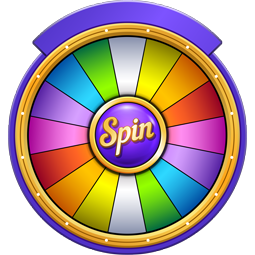
Kids Party Wheel is a free random picker that holds 24 options such as Balloon Pop, Pin Tail and Group Cheer. One spin lands on exactly one of them — no signup and no download.
A gym hall full of activity stations feels calmer when the next Kids Party Game is ready before children scatter. The wheel gives event planners one fair activity prompt at the exact moment the group needs motion, focus, and a reason to move together.
That benefit matters in a large party setting. A single game can run out of energy fast, but a rotating wheel keeps the group moving from one activity style to another without making the loudest kids control the plan.
Large groups do not fall apart all at once. Children cluster near one station, a few wait by the wall, and the next activity suddenly has to feel fair before attention splits in five directions. The planner needs a simple way to restart the room.
A wheel helps because it gives the next activity a neutral starting point. The result is not one adult guessing what everyone wants; it is one shared prompt the group can see, understand, and follow.
For planners organizing broader event options, the game wheel category for party planning keeps related activities in one place before the party schedule gets crowded.
Event Planners Rotate Kids Through Activities Before Energy Scatters
Rotation keeps a large group from getting stuck around one crowded activity. Dance Party can lift the room quickly, while Freeze Pose gives the same group a short stop and laugh moment. The shift from motion to stillness helps children reset without leaving the activity area.
A Kids Party Game works best when each result has a clear job. Simon Says creates listening practice, Ring Toss creates a station style turn, and Group Cheer brings everyone back together before the next movement prompt. For lighter reaction based play, a kids laugh wheel for quick reactions can add a softer reset between bigger games.
Active Games and Quiet Turns Fit Different Group Sizes
Active games are useful when the room has too much unused energy. Hop Race and Musical Chair can give children a clear direction, but they need space, simple rules, and adult guidance. The wheel should not create crowding; it should help the room spread into safe movement.
Quiet turns matter just as much. Trivia Kid, Puppet Play, or Scavenger can slow the pace without ending the fun. If the group includes close friends who want more shared prompts, a kids friends wheel for group turns can make smaller clusters feel included while the larger party keeps moving.
The strongest plan mixes both speeds. Too many active results can wear children out. Too many quiet results can make the hall feel stalled. Balance the wheel so the next spin changes the room at the right time.
Kids Join Faster When the Next Game Feels Fair
Fairness is what gets hesitant children moving. A visible spin makes the next activity feel less like one person’s favorite and more like a shared result. That matters when some children are quick to volunteer and others need a little proof that the game is for everyone.
Clear activities help too. Scavenger gives children a purpose, Group Cheer creates a team moment, and Freeze Pose lets kids participate without needing special skill. For parties using screens or video moments, a party video wheel for group prompts can support a different kind of shared activity without replacing the main play flow.
Large Groups Stay Entertained Without One Activity Taking Over
A single favorite game can dominate a party if there is no planned transition. The wheel creates that transition. It lets Dance Party end cleanly, moves the group toward Ring Toss or Simon Says, and gives the next station a fair opening.
This is where a Kids Party Game becomes a flow tool, not just a picker. Each result protects the room from staying too long in one mode. Move the group before the energy breaks.
Build party flow that keeps group fun controlled.
A strong activity mix should include movement, listening, short turns, and group reactions. Remove anything that needs complicated setup, creates waiting lines that are too long, or makes children feel left out. The best wheel gives every child a clear way into the next moment.
For simple rule calls during the event, a customizable random wheel can support neutral choices when several safe options still fit. Use it to keep the schedule moving, not to replace adult judgment about space, age, or safety.
Party planning gets easier when the wheel is treated like a pacing tool. It can help the planner move from active play to quieter turns, then back into group movement before the room loses focus. The goal is not constant noise. The goal is steady participation.
For other event moments, create your own custom wheel gives planners a simple way to build activity sets around the venue, group size, and supplies already available.
Keep large groups busy between party activities
What party games are included on this wheel?
The wheel includes 24 classic party activities, ranging from active games like Sack Race and Duck Duck Goose to seated options like Joke Time and Trivia Kid. You can also spin for events like Limbo Low or Piñata Time. If you want to eliminate activities after playing them, an option removes each winner so it cannot be drawn twice.
Which activities help calm kids down after running games?
Gentler options on the wheel include Face Paint, Puppet Play, Magic Show, Sing Song, and Trivia Kid. These activities let children catch their breath after vigorous rounds of Tag Game or Hop Race. You can edit the entry list next to the wheel to keep only calmer choices, and the wheel redraws instantly as you type.
Can I mute ticking sounds on the kids party wheel?
You can turn off the ticking sound, win sound, and lose sound individually in the wheel settings. Muting audio is useful in noisy gym halls where speaker noise clashes with music, or in quiet rooms during Puppet Play. You can also adjust spin length, rotation speed, and colours to match your event.
How do you run this wheel from a phone for a large group?
You can open the webpage directly on any smartphone or tablet browser to spin for the group. The tool is free, works without an account, and functions on mobile screens. Tap the wheel to select the next game, like Parachute or Group Cheer. All slices are equal, and the winner is drawn using the browser's cryptographic random generator.
More Games wheels you might like
More wheels from the same category. Pick one and spin it in seconds.

Break repetitive Sims 4 story loops with unexpected narrative direction


Spin random challenge wheel and trigger quick playful home movement
Choose a stable Rocket League Car for sharper ranked aerial consistency