

 By Noah Reed
Published
By Noah Reed
Published
Mystery Box Wheel for Surprise Reward Reveals
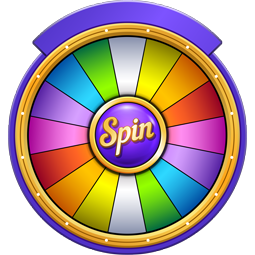
Mystery Box Wheel is a free spinner listing 24 options — Toy Box, Magnet and Coin among them. Tap once and the pointer picks one at random.
A mystery box wheel turns reward anticipation into the main event. The point is not only what appears, but the hidden second before the result lands.
The screen feels quiet at first. A gamer wants a small reward moment, but the best part is the unknown pull before the reveal.
That tension matters. A prize chosen in advance can feel flat, while a hidden result keeps attention alive until the final stop.
Exploring random rewards before the next reveal
Hidden rewards work because the mind fills the gap before the answer arrives. A mystery box wheel keeps that gap short, sharp, and playful.
The reward can be simple, but the suspense changes its value. That same reveal driven feeling also fits a hidden prize with stronger reveal pressure when the fun comes from not knowing what waits.
Let the reveal carry the moment.
Planned rewards compared with surprise discovery
A planned reward is clean, but it removes the spark. You already know the shape of the outcome before anything happens.
Surprise discovery works differently. The unknown result gives even a small item more presence, especially when the choice feels light and game like.
For a different kind of hidden outcome, a mystery role reveal with a playful twist shifts the suspense toward identity instead of objects.
Hidden outcomes that make curiosity grow
Curiosity grows fastest when the result stays covered until the last second. The wheel does not need to promise the best reward. It only needs to protect the reveal.
That is why the mystery box wheel feels more memorable than a normal picker. The mind leans forward before the answer appears.
In challenge based play, a concealed task that changes the next move can create the same kind of suspense without turning the moment into pressure.
Unexpected items that make small rewards feel bigger
A small reward can feel bigger when it arrives unexpectedly. The reveal gives it a story.
The object itself may be ordinary. The moment around it is not. A mystery box wheel gives the item a pause, a buildup, and a little emotional weight.
Keep the result harmless. Keep the suspense alive.
Reward reveal core
Surprise rewards work because anticipation changes how people experience the result. The suspense, the guesswork, and the excitement of winning all build up before the prize appears, and a random wheel built for direct outcome selection gives that reaction a clear structure.
The reveal should feel light, not stressful. The best version creates curiosity without making the outcome feel risky.
A broader random choice moment does not need a complicated setup. The same hidden result feeling can connect to a quick choice moment beyond one reward when the user wants surprise without building a full game around it.
This keeps the experience flexible. One spin can feel like a prize reveal, a mini game, or a small break from predictable options.
Reveal a surprise reward with one quick spin
What items can I win from the mystery box wheel?
This mystery box wheel includes 24 varied prize ideas like Toy Box, Cool Mug, Earbuds, and Socks. You can spin to pick a random reward or edit the list beside the wheel to match the actual items in your physical mystery package. The wheel redraws instantly as you type new labels, and you can add as many prizes as you need.
Can I take out mystery items that have already been won?
You can turn on the option to remove each winner from the wheel after it is selected. This ensures items like the Snack Box, Tote Bag, or Wallet cannot be drawn twice during your giveaway. If you want to keep giving out smaller prizes such as a Sticker or Magnet, you can leave that option turned off so every prize stays active.
How do I upload my own mystery box prizes from an Excel file?
You can import your custom mystery item list directly from a spreadsheet file like .xlsx or .csv. Open the import tool, select your file, and choose the specific sheet and column containing your rewards. The tool also supports .xls, .ods, and .txt files. Your imported rewards replace the default entries, and all data stays private in your browser.
Does every mystery box item have an equal chance of winning?
Every item on the wheel has the exact same probability of being selected. All 24 slices are identical in size, giving prizes like the Mini Game, Candle, and Mini Torch an equal draw chance. Each spin result is calculated using your web browser's cryptographic random generator, ensuring entirely fair selections without any weighted bias toward specific mystery box slots.
More Random wheels you might like
More wheels from the same category. Pick one and spin it in seconds.