

 By Alex Bennett
Published
By Alex Bennett
Published
Random Choice Picker for Faster Daily Decisions
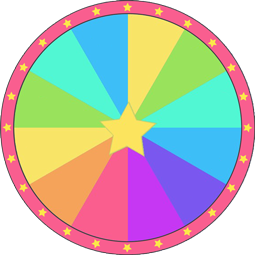
Pick Choice Wheel is a free online wheel spinner with 39 options, including Pick Red, Soon and Move. Click or tap the wheel and it stops on one random result.
A random choice picker gives you a clean way to move through small decisions before they drain your energy. You do not need a perfect answer for every tiny moment. You need forward motion.
You already know the kind of choices that steal more time than they deserve. A color, a route, a task order, a small yes or no moment. The faster the result appears, the lighter the rest of your routine feels.
The real problem is not that your options are difficult. It is that you keep spending useful focus on decisions that do not deserve a full debate. That little pause repeats through the day until your routine feels heavier than it should.
You can let the small stuff close faster. That is the reward here. Less drag, less second guessing, more movement.
Quick random tools can remove repeated small choices from your day
You feel the slowdown most when the choice is simple but still unfinished. A random choice picker works well in those moments because it turns a loose option set into one clear result.
For routine decisions, a daily choice result that keeps your flow moving can help when the same tiny pauses keep showing up before errands, breaks, chores, or small activities.
The win is not dramatic. It is practical. One less decision sits in your head.
Manual micro decisions can slow routines more than expected
You may think a small choice costs almost nothing. Then it repeats ten times. Each pause takes a little attention, and your day starts feeling slower without one obvious reason.
That is where a simple selection moment without extra debate fits naturally. You are not outsourcing important judgment. You are clearing the low value clutter.
Keep the important choices for yourself. Let the tiny ones finish faster.
Low energy moments need easier acceptance, not more thinking
When your energy is already low, even harmless options can feel annoying. You may not care enough to compare them, but the choice still has to close.
A random choice picker helps because the result gives you a clean stopping point. If you want a faster version of that same action, a quick pick result for instant movement keeps the moment from stretching.
You can also use a broader wheel format for routine variety when the decision is not one fixed category but still needs a fast push.
Daily flow feels lighter when trivial decisions disappear
You notice the benefit after the choice is gone. The task starts. The break happens. The small plan moves forward instead of sitting open in your mind.
This is why the tool works best for harmless, everyday decisions. It gives the routine a small lift without making the moment feel important.
Routine node
Use this tool when a repeated daily choice keeps interrupting your pace. A random choice picker can act like a quick routine node it closes one small open loop so the next action feels easier to start. For binary moments, a clear yes or no result for simple direction can be the cleaner option when the choice only has two sides.
You do not need every wheel to solve a major problem. Sometimes the best result is a small decision that stops taking space. That is where a wider decision moment across everyday tools gives your routine more ways to stay light without turning every choice into a project.
Move forward faster during low energy routine moments
Can I use this wheel to decide between Yes No and other options?
The wheel includes basic answers like Yes, No, and Maybe alongside directional picks like Left Turn and Right Turn. You can spin it immediately with the preloaded list or modify the entries in the list next to the wheel. Slices update automatically as you edit, and you can paste replacement options directly into Text Mode.
Which choices are on the Pick Choice Wheel?
The wheel comes with preloaded options such as Pick Red, Safe Way, Risk Way, Go Now, and Choice A. Every slice has an equal size, and selections are made using your browser cryptographic random generator. You can also turn on the option to remove each winning slice so an outcome cannot be picked twice.
How do I turn off ticking sounds on the Pick Choice Wheel?
You can disable the ticking and winning sounds in the wheel settings menu. The sound toggles let you mute the spin click, the win audio, and lose sounds independently. You can also adjust spin speed, spin duration, colours, and visual themes to customize how the wheel runs without changing any of the choice entries.
Does this wheel work on a phone?
This wheel runs directly in mobile browsers on phones and tablets without installing any app. You can tap to spin choices like Skip Task or Think Fast wherever you are. Wheel edits stay in your mobile browser, and you can sign in if you want to sync your custom saved wheels across other devices.
More Decision wheels you might like
More wheels from the same category. Pick one and spin it in seconds.


Pick one shared friend activity before the group plan stalls

Pick one solo activity that matches tonight’s personal mood