

 By Maya Brooks
Published
By Maya Brooks
Published
Random Challenge Wheel – Fun Dare Generator
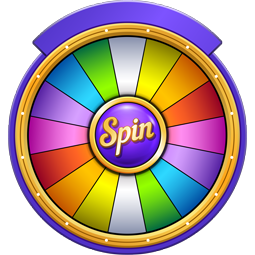
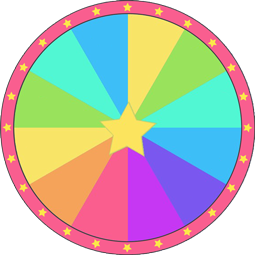
Random Challenge Wheel is a free online wheel spinner with 24 options, including 10 Pushups, Neck Roll and Hero Pose. Click or tap the wheel and it stops on one random result.
The random challenge wheel turns idle moments at home into quick bursts of action. You’re standing in your room, energy building but direction missing, and this simple tool converts that pause into motion without planning.
Your body wants to move, but the moment stretches. A few seconds pass, then more. That hesitation doesn’t feel dramatic, yet it keeps everything still. The wheel interrupts that exact second and flips it into something active.
Instead of letting the moment fade, the shift happens fast. The space around you changes from passive to playful.
How Does the Random Challenge Wheel Work?
Challenges load onto the wheel as equal segments and one tap serves the next one. No signup, and the entries can be swapped for challenges that fit your space, your energy level or your group.
Quick Home Dares That Spark Movement Before Motivation Drops
Short challenges inside your own room feel different when they arrive unexpectedly. A stretch, a balance hold, or a quick jump becomes more than a task it becomes a reaction. That instant response creates energy where nothing was happening seconds ago.
When playful actions begin to replace static moments, the experience mirrors what happens inside a playful dare sequence that keeps energy unpredictable. The body reacts faster because the decision is already made.
That shift matters. Movement no longer waits for motivation to build.
Simple Movements Turning Into Playful Rounds in Small Spaces
Small spaces don’t limit action they reshape it. A corner of your room becomes a mini stage where quick movements loop into each other, turning isolated actions into something that feels continuous.
In group settings, that rhythm feels similar to shared challenge moments that keep everyone engaged together. Even when you’re alone, the same sense of flow can appear.
One action leads naturally into the next. The momentum builds without needing structure.
Restless Energy Shifting Into a Lighthearted Game
That restless feeling when you can’t sit still but don’t know what to do changes once randomness enters. The wheel doesn’t remove that energy; it redirects it into something playful and manageable.
Moments like this resemble unexpected outcome shifts that keep reactions spontaneous, where the outcome itself becomes part of the fun.
As the rhythm builds, exploring broader variations like different spinning formats that introduce new twists adds depth without complicating the experience.
The key isn’t control. It’s letting the next move arrive without thinking.
The Next Spin Turning Hesitation Into Instant Action
The gap between thinking and moving disappears. You don’t negotiate with yourself, and you don’t delay. The action simply follows the spin.
This pattern works because the brain stops looping and starts reacting. The moment becomes shorter, sharper, and easier to complete.
That small change compounds. One action leads to another, and suddenly the room feels active instead of still.
Is the Random Challenge Wheel Really Random?
Yes. Every entry gets a slice of the same size and the stopping point is generated randomly on each spin, so nothing is weighted and no result is favoured. The wheel keeps no memory of earlier spins.
That is why repeats happen. Landing on the same option twice in a row is normal for a fair draw, not a sign the wheel is rigged.
More Party and Challenge Wheels
Try the dare challenge wheel, the kids dare wheel or the party game wheel. The games wheel category has more group challenges.
Daily Motion Trigger
Short, unpredictable challenges tap into natural behavior loops studied in areas like decision patterns where binary outcomes break hesitation cycles. When the choice disappears, action becomes the default response.
Over time, this builds a lightweight habit. Movement no longer needs a reason it becomes part of the moment itself.
Each spin reinforces that loop without pressure or structure.
The effect stays simple, but the consistency grows stronger with repetition.
That’s where the real shift begins.
The pattern doesn’t need to stay limited to one moment. As these small actions stack, they connect into a wider rhythm of quick decisions and playful reactions, similar to how a full range of spontaneous decision scenarios across different tools keeps engagement fresh across situations.
Play one home challenge for instant motion
What physical exercises are on the random challenge wheel?
The wheel includes bodyweight exercises and quick playful actions like 10 Pushups, 15s Plank, 10 Squats, 5 Star Jumps, and High Knees. Other entries prompt light mobility or silly micro-breaks, such as Arm Circles, Neck Roll, Funny Walk, or Hero Pose. You can edit the list next to the wheel to add or remove specific physical prompts anytime.
Can I use this challenge wheel for quick desk breaks?
You can use this wheel for desk breaks because many entries take under twenty seconds to complete. Prompts like Deep Breath, Big Stretch, Blink 10x, and 10s Balance help break up sedentary work without equipment. You can enable the option to remove each winner from the wheel, ensuring you rotate through different movements during your workday.
How do I import my own challenge list from Excel or CSV?
You can import challenges by uploading a file directly through the import option next to the wheel. The tool supports .xlsx, .xls, .ods, .csv, and .txt files, letting you select the specific sheet and column containing your movement tasks. Your imported list replaces or updates the current wheel entries immediately, and labels automatically adjust to fit the wheel.
Does every challenge on the wheel have an equal chance to win?
Every challenge on the wheel has the exact same probability of being selected on each spin. All slices are identical in size, whether landing on Loud Laugh, Dance 10s, or Touch Toes. The winning result is calculated using your browser cryptographic random generator, ensuring fair selections without any preset bias toward particular movement prompts.
More Games wheels you might like
More wheels from the same category. Pick one and spin it in seconds.

Break repetitive Sims 4 story loops with unexpected narrative direction