
 By Noah Reed
Published
By Noah Reed
Published
Recess Games Wheel If Students Want Different Activities
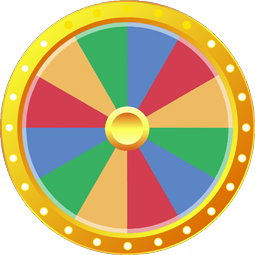
Recess Games Ideas Wheel is an online education wheel built from 14 equally sized segments, among them Tag game, Skip run and Frisbee. Every spin returns a single result.
Recess Games Wheel becomes useful the moment a break begins and small groups start pulling in different directions. Some children head toward active movement, others gather near quieter corners, and a teacher has only a few minutes to help everyone settle into an activity that feels fair.
A quick random selection creates a starting point. Instead of debating what comes next, students can move directly into play and use their limited break time more effectively.
Those first moments often matter most. A few children may want a fast relay challenge while others prefer chalk drawing or a calmer playground activity. The longer the discussion continues, the shorter the actual recess becomes.
Teachers looking for broader classroom engagement ideas often benefit from shared learning activities beyond regular lessons because many of the same participation patterns appear during break periods.
Familiar Playground Habits During Short School Breaks
Students frequently return to the same activities simply because they are familiar. A group may automatically choose tag while another gathers around a wall ball area without considering other options.
That pattern becomes easier to interrupt when a random selection introduces something different. A class that usually chooses running games may suddenly try a hop race or a frisbee challenge instead.
Similar variety appears in unexpected classroom activity moments that refresh participation, where new choices help groups avoid repeating the same routine every day.
Balancing Active Games and Quieter Playground Choices
Not every student arrives at recess with the same energy level. Some want movement immediately. Others prefer activities that require less running and more cooperation.
A balanced selection process helps both groups feel included. One break might lean toward kickball or jump rope. Another may naturally shift toward chalk art, sandbox creativity, or simple playground games that allow conversation.
The same challenge appears in lighthearted group discussions that encourage equal participation, where fairness often matters as much as the activity itself.
Fair Group Participation During Shared Playtime
Social dynamics can change quickly during recess. A few confident voices sometimes influence the direction of the entire group while quieter students remain observers.
Random selection reduces that pressure. The focus moves away from who suggested the activity and toward a shared result that everyone can accept. Small shifts like this often improve cooperation across the playground.
Teachers who use a classroom fun option that rotates group experiences often notice similar benefits when participation becomes more evenly distributed.
Another benefit comes from momentum. Once the activity is chosen, students spend less time negotiating and more time playing. The break feels fuller even when the schedule remains unchanged.
A Better Playground Flow After One Choice Is Made
A recess period rarely needs a perfect activity. It simply needs a starting point that helps children move forward together.
Whether the outcome leads to hide and seek, a simple ball toss, or a group song, the transition happens faster. The result is often a smoother playground atmosphere with fewer delays and more active involvement.
For educators managing multiple activity types, a flexible random selection format for mixed situations can support many different group environments beyond recess alone.
Recess Activity Core
Playground behavior is influenced by group energy, available space, and shared expectations. Discussions across communities such as Reddit and activity examples commonly shared through YouTube often highlight the same theme children engage more easily when the activity selection process feels neutral and quick.
A random approach does not replace supervision or planning. It simply creates a fair starting point that allows more time for movement, creativity, teamwork, and healthy social interaction during short school breaks.
Sometimes recess decisions connect to a wider need for structured yet flexible activity choices. In those situations, simple tools that support group participation across many settings can help maintain consistency from the classroom to the playground.
Set one recess game before the bell rings
Which recess games on the wheel require no equipment?
Tag game, Hide seek, Relay race, Hop race, Skip run, and Group song require no equipment at all. These options work well when balls, ropes, or chalk are not available on the playground. You can spin to pick one instantly, or remove items that need gear using the list next to the wheel before you spin.
What active games can kids play during a short recess?
Kickball, Tag game, Wall ball, and Relay race offer fast movement that fits brief outdoor breaks. Every slice has an equal chance of being selected by the cryptographic random generator. If your playground group plays throughout the week, turn on the option to remove each winner so students try a different activity during the next break.
Can I import my own recess games list from a spreadsheet?
You can import an activity list directly from a .csv, .xlsx, .xls, .ods, or .txt file. The tool prompts you to choose the exact sheet and column holding your game names. The wheel updates immediately when loaded, and your data stays in your browser rather than being uploaded to a public server.
How can I adapt this wheel for indoor recess on rainy days?
Replace the outdoor activities with classroom options by typing in the list next to the wheel. While Tic Tac Toe and Group song already work indoors, you can use Text Mode to paste in quiet games all at once. The wheel redraws as you edit and works smoothly on tablets, phones, and interactive classroom boards.
More Education wheels you might like
More wheels from the same category. Pick one and spin it in seconds.

Randomly select a student while keeping classroom participation balanced