


 By Alex Bennett
Published
By Alex Bennett
Published
Restaurant Decision Wheel for Group Dinner Clarity
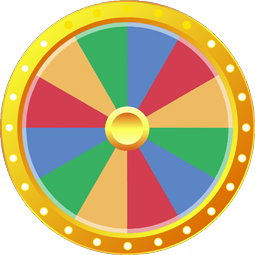
The restaurant decision wheel is not for people who cannot choose. Actually, it works best when the group already has enough opinions, enough hunger, and not enough patience to turn those opinions into a final dinner plan.
The mistake is thinking a better debate will fix the table. It usually does the opposite. Someone wants comfort food, someone wants something lighter, someone is trying not to sound difficult, and the familiar place starts winning by default.
That is where this approach earns its place. It removes the pressure from one person and turns the final call into a shared result, not a social negotiation.
The real problem is not the number of restaurants. It is the moment after everyone says, “I’m good with anything,” while nobody actually means the same thing. The group stays polite, but the plan slows down.
One person mentions a bold dining spot, then pulls back because it might not fit the mood. Another suggests the usual place because it feels safe. The cost of waiting grows quietly colder moods, later seating, less energy for the meal itself. End the loop before it becomes the evening.
Group habits that keep everyone returning to familiar places
The myth is that familiar restaurants are chosen because everyone loves them most. Often, they win because they create the least social friction. Nobody has to defend the choice, compare menus, or worry that a new place will disappoint the group.
A restaurant decision wheel changes that pattern by making the pick feel neutral. If the group is stuck between safe repeats and a little variety, a balanced restaurant outcome across mixed preferences can move the conversation from “who suggested this?” to “does this work tonight?”
That shift matters. The final option no longer belongs to the loudest voice or the most cautious person. It belongs to the group moment. Pick the option. Move forward.
Quick random picks versus long group dinner planning
Another myth talking longer creates a better dinner choice. Sometimes it creates a more tired group. A full discussion can be useful for budgets, allergies, distance, or timing, but once the realistic choices are clear, more comparison can lower decision quality.
The tool is strongest after the obvious limits are already known. The group removes what will not work, keeps the reasonable options, and lets the restaurant decision wheel close the gap. Keep the frame tight.
That is different from careless picking. If the goal is to build a custom set of possible dining spots before the final spin, a group shaped restaurant pool built for tonight can make the random result feel fair instead of random for its own sake.
Social hesitation around bold or unfamiliar restaurant ideas
The belief that people freely suggest what they want is not always true. In a group, a person may hold back on a sushi bar, ramen shop, vegan cafe, or small bistro because the suggestion feels too specific. Nobody wants to become responsible for a meal that others may not enjoy.
A restaurant decision wheel softens that hesitation. The unusual option is not pushed by one person; it simply has a fair place beside the easier choices. That makes exploration less awkward.
There is also a useful contrast here. If the group is already thinking beyond dinner and wants the same quick clarity for the next part of the night, a quick dessert follow up after dinner keeps the decision energy light instead of restarting the debate. Let the result close the loop.
The final pick that releases group tension
The best restaurant decision is not always the mathematically perfect one. It is the one the group can accept quickly enough to enjoy the evening. The wheel works because it turns scattered preferences into a visible endpoint.
Once the result lands, the conversation changes. People stop defending options and start adjusting around the actual plan travel time, table size, menu fit, and whether the mood feels relaxed. That is the reward not just a restaurant, but a finished decision.
The value is not just fairness, it is speed the group moves forward without draining energy. The faster closure protects the mood before the meal even begins.
Dining decision core
A good dinner plan should not depend on one person absorbing the group’s uncertainty. This approach works because it stops overthinking, prevents second-guessing, and gives everyone an easy way to end the debate. When the group faces a similar kind of indecision beyond food, a structured random decision method for uncertain moments can provide the same clarity without restarting long discussions.
The wider value is simple the group learns to stop treating every meal as a full planning session. Some nights need careful comparison. Others need a fast, fair nudge that protects the mood before the meal even begins.
Moments like this often extend beyond dinner itself. The same dynamic appears whenever small group decisions stall, and shared decision moments that need a clear outcome benefit from a structured but lightweight final step.
When should we use a random picker during group dinner planning?
Use it after the group has removed options that clearly do not work, such as places that are too far, too expensive, or wrong for the mood. At that point, the picker prevents the final few choices from turning into another round of polite hesitation and gives the group a clear result to react to.
Is there a better way to pick dinner when you're exhausted late at night?
Yes, a better method is to narrow the list first and then use the wheel for the final call. Late in the evening, people often choose the safest familiar place because they are tired, so a controlled random pick keeps the decision simple without ignoring basic constraints.
How does a random picker help when too many restaurant options stress you out around friends?
It removes the need for one person to “sell” an option to the group. If several dining spots are acceptable, the random result creates a shared outcome, which lowers pressure and helps everyone move from discussion to dinner.
Is the data reliable when budget constraints limit group restaurant choices under stress?
The tool is reliable only when the options placed into it are realistic for the group’s budget and situation. If expensive or inconvenient restaurants remain in the list, the result may create more stress, but a filtered set can produce a practical final choice quickly.
Spin now and end the group debate
Which restaurant types are listed on this dinner decision wheel?
This wheel contains 24 dining categories covering a wide range of cuisines. Options include Pizza Place, Burger Spot, Sushi Bar, Taco Joint, Ramen Shop, Dim Sum House, Thai Kitchen, and Indian Curry, alongside options like Vegan Cafe and Gastropub. You can spin as is or edit the list directly in the text box next to the wheel.
Can I replace entries like Dim Sum House with local restaurant names?
You can replace any entry by editing the text list beside the wheel. Simply delete generic labels like Dim Sum House, Greek Taverna, or Steakhouse and type in your favourite local spots. The wheel updates immediately as you type. You can also paste an entire list in Text Mode or import a spreadsheet file.
How do I change the theme or slice colours on this wheel?
You can change the appearance using the colour and theme settings on the page. Select a new theme or choose specific palette colours to distinguish your restaurant choices. You can also adjust the spin speed and duration, or turn off the ticking, win, and lose sound effects to suit your preferences.
Does this restaurant wheel work on a phone for group dinners?
The wheel runs directly in mobile and tablet web browsers without installing an app. Pass your phone around the dinner table or spin it while everyone watches to choose fairly. You can enable the option to remove the winning restaurant from the wheel if the group wants to spin again for a second choice.
More Food wheels you might like
More wheels from the same category. Pick one and spin it in seconds.





Elevator break pressure becomes one lunch item before the queue builds