

 By Alex Bennett
Published
By Alex Bennett
Published
Simple Daily Choice Made Clear with a Practical Wheel
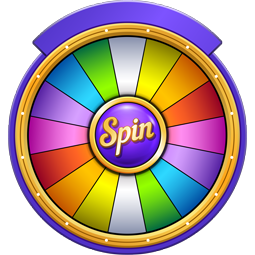
Simple Daily Wheel is a free online wheel spinner with 40 options, including Walk Park, Go and Relax. Click or tap the wheel and it stops on one random result.
Simple daily choice moments usually show up when your energy dips and small actions start to feel heavier than they should. A simple daily choice tool cuts through that hesitation and lands you on one clear direction without dragging the moment out.
You’re not trying to optimize your entire day. You’re trying to move forward without friction. That shift matters more than the choice itself.
That’s why a lightweight system works here. It doesn’t demand planning. It gives you motion.
Right after a quiet reset, this kind of simple daily choice approach brings your attention back to one doable action.
Noticing low energy patterns during everyday routine dips
You’re sitting at your desk, staring at small tasks that all feel equally distant. Nothing is urgent, but nothing starts. That moment stretches longer than it should.
In that space, a daily choice moments that need a quick direction shift becomes useful because it replaces hesitation with a single outcome.
The shift is subtle. You stop scanning options and start moving. That’s the real gain.
Why structured planners feel heavier than random systems
Planners expect you to decide before acting. That works when your mind is clear. It breaks when you’re already slowed down.
A structured planning routines that demand full clarity upfront often adds pressure instead of removing it. You spend time arranging instead of doing.
This is where a simple daily choice system flips the order. Action comes first. Structure follows later if needed.
How committing to one small action resets your rhythm
You don’t need momentum to begin. You need a starting point that feels light enough to accept.
Using a lightweight picker that turns small tasks into immediate outcomes removes the internal debate. One result appears, and your brain stops negotiating.
That’s enough to break the stall. Even a tiny action can stabilize your flow.
When daily choices feel easier without over optimization
Trying to pick the “best” option slows everything down. The difference between options is often too small to justify the delay.
In those moments, a binary decision tool that removes back and forth loops helps you move without needing perfect reasoning.
The goal isn’t precision. It’s continuity. Keep things moving.
Why this stays effective over time
Consistency builds from small, repeatable decisions. When each step feels manageable, you avoid the buildup that leads to inaction.
Patterns around habit simplicity and cognitive ease show that reducing mental load increases follow through. The simpler the entry point, the more likely the action happens.
You don’t need complexity to stay consistent. You need clarity at the right moment.
That’s where the simple daily choice idea holds its strength. It meets you at low energy and asks for almost nothing.
Sometimes that’s enough to shift the entire day.
There’s a broader layer to this. When small decisions stop blocking your flow, your attention frees up for bigger ones. That’s where systems matter more.
In that wider context, a broader decision environment that adapts to different daily situations connects these small moments into something more stable. It’s not about one tool. It’s about removing friction wherever it appears.
Reset low energy moments with one simple daily pick
What activities can this wheel pick to reset my day?
The wheel includes gentle reset actions like Walk Park, Drink Tea, Stretch Now, and Clean Desk alongside quick binary choices. Spin once whenever you need a brief break or a clear direction. If you want to avoid repeating the same activity during the day, enable the option to remove each winner from the wheel after it is drawn.
Can I use this wheel for quick daily decisions?
You can use this wheel for both daily habits and direct binary choices like Yes, No, Now, or Later. Each slice has the exact same size, and the result is selected using your browser's cryptographic random generator. You can also adjust the spin speed and duration in the settings to make quick choices faster.
How do I paste my own list of daily habits into Text Mode?
Switch to Text Mode above the entry list and paste your habits directly, with one entry on each line. The wheel updates immediately to show your new items. You do not need to add entries one by one, and there is no fixed limit on the total number of lines you can paste at once.
Does this daily picker wheel work on a phone?
This wheel runs directly in web browsers on both phones and tablets without installing an app or registering an account. You can tap the center to spin for choices like Music Time or Read Page while away from your desk. Saved wheels stay in your mobile browser, or sync across devices if you choose to sign in.
More Decision wheels you might like
More wheels from the same category. Pick one and spin it in seconds.




Pick one solo activity that matches tonight’s personal mood