

 By Noah Reed
Published
By Noah Reed
Published
Student Picker Wheel – Random Name Picker
Student Picker Wheel is a free random picker that holds 20 options such as Alex, Kyle and Tom. One spin lands on exactly one of them — no signup and no download.
Student Picker becomes useful the moment a classroom goes quiet after a question is asked. You can see a few students looking down, a few students ready to answer, and the same voices beginning to dominate the room. A random selection process changes that dynamic by creating a visible and neutral way to involve everyone.
You want participation to feel earned rather than personal. That matters when students are watching how opportunities are distributed and whether classroom discussions feel balanced.
The challenge is not choosing a name. The challenge is maintaining trust. If students believe certain classmates are called more often, participation can feel uneven even when that was never the intention. Student Picker introduces a transparent method that reduces personal influence and keeps attention on learning.
How Does the Student Picker Wheel Work?
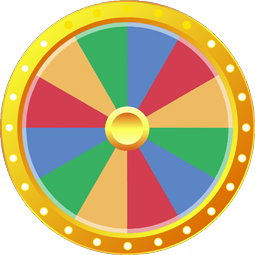
Paste your class list and each student becomes an equal segment. One tap picks a name in front of the class, so the choice is visibly fair. Nothing to install, and you can remove students who have already answered.
Giving Quieter Students a Fair Chance to Participate
Teachers often notice that confident students answer quickly while others wait for the conversation to move on. A random approach creates opportunities that might otherwise be missed. When names such as Alex, Hana, Mason, or Nora appear unexpectedly, students learn that participation can come from anywhere in the room.
Classrooms that also use balanced seating assignments that support equal visibility often find that participation becomes more evenly distributed over time.
Small adjustments matter. Fair exposure encourages preparation because every student knows there is a realistic possibility of being involved.
Random Selection Compared With Teacher Led Choices
Manual selection can work well, especially when a teacher wants to guide discussion. However, repeated choices made during a busy lesson can unintentionally favor familiar patterns. Random selection introduces a neutral process that is visible to everyone.
In larger classes, rapid classroom selection during fast paced activities can reduce delays while preserving fairness. The process feels consistent because the outcome is not tied to mood, memory, or classroom pressure.
That consistency often matters more than speed alone. Students notice patterns quickly.
Building Trust Through Visible Opportunities
Trust grows when students believe the process is open and understandable. If Bella answers one question and Ethan answers the next, the result feels easier to accept when everyone can see how the selection happened.
A similar principle appears in classroom participation systems focused on equal turns, where transparency helps reduce concerns about favoritism and encourages broader engagement.
For teachers managing many voices at once, clarity creates stability. The less attention spent questioning the process, the more attention remains available for learning.
Classrooms that regularly use participation tools can also benefit from broader collections such as different classroom wheel formats for structured activities when lessons require variation throughout the week.
Keeping Engagement High Across the Entire Room
Engagement is easier to maintain when students remain aware that their contribution may be requested at any moment. That does not mean creating pressure. It means creating presence.
Students such as Quinn, Piper, Sam, or Julia may become more attentive because participation opportunities are distributed across the room rather than concentrated among a few volunteers. The result is often a more active learning environment and stronger classroom awareness.
Fair rotation is not a complicated strategy. It is a practical habit that supports involvement over the long term.
Is the Student Picker Wheel Really Random?
Yes. Every entry gets a slice of the same size and the stopping point is generated randomly on each spin, so nothing is weighted and no result is favoured. The wheel keeps no memory of earlier spins.
That is why repeats happen. Landing on the same option twice in a row is normal for a fair draw, not a sign the wheel is rigged.
More Classroom Wheels
Try the class students wheel, the student names wheel or the class activities wheel. The education wheel category collects every teaching tool.
Selection Balance Core
Fair participation means avoiding favoritism, taking the effort out of choosing, and giving everyone an equal chance. Educational platforms including Google Classroom and Kahoot frequently emphasize engagement, but engagement improves most when students trust the process behind participation.
For classes that already use random activities, a broader randomization framework for different classroom decisions can extend the same principle beyond discussion questions and into everyday classroom management.
Sometimes the biggest improvement comes from removing doubt rather than adding complexity. A visible process helps students focus on the lesson instead of wondering why someone was selected.
That broader idea connects naturally with fair decision moments across different educational situations, where transparency often creates stronger acceptance of outcomes.
Let chance guide today's classroom participation
How can I call on students without picking the same person twice?
You can enable the option to remove each winner from the wheel after every spin. When a student like Alex or Bella is selected, their name is taken off the wheel so they cannot be drawn again in the same session. This keeps participation balanced across your entire roster, leaving remaining students like Chris and Diana for future turns.
Are all students on this wheel picked with equal chance?
All students have an equal chance of being selected on every spin. Every slice is the exact same size, whether it shows Ethan, Farah, or Gavin. The winner is selected using your browser's cryptographic random generator rather than a predictable sequence, ensuring that every draw remains completely fair and unbiased for every student in the classroom.
What is the maximum number of students I can add to the wheel?
There is no fixed limit on the number of entries you can add to the wheel. You can replace the default list of twenty names with your entire class roster. As you add more students, the slice labels automatically get smaller to fit the wheel. You can paste your entire list at once using Text Mode or import names directly from a spreadsheet.
Can I use this student picker wheel on a phone or tablet in class?
The student picker wheel works directly on phones and tablets through any standard web browser. You can spin the wheel while walking around the classroom without needing to install an app or create an account. Your student names remain stored locally in your device's browser, and you can adjust sound effects or spin duration to suit your classroom environment.
More Education wheels you might like
More wheels from the same category. Pick one and spin it in seconds.





Choose a classroom volunteer without turning participation into pressure