

 By Lily Parker
Published
By Lily Parker
Published
Where to Go When Nearby Choices Feel Stuck
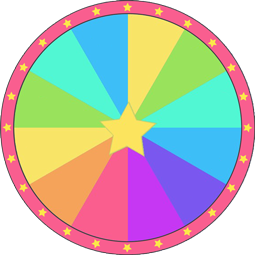
Where to Go decider Wheel is a free online wheel spinner with 24 options, including Downtown Area, Pier 39 and Boulevard. Click or tap the wheel and it stops on one random result.
Where to Go becomes a real problem when every nearby place sounds reasonable, but none feels final. You are ready to move, yet the route keeps changing in your head.
The wheel works as a reset point. It turns scattered location ideas into one clear direction.
Nearby places that keep movement from starting
City options can feel harmless at first. Downtown sounds active, the waterfront feels calmer, and a familiar plaza seems safe. The stall begins when each place gives you one reason to stay undecided.
A random location prompt helps because it cuts the drift before it spreads. If the choice needs a wider reset, a global location jump from zero context can shift the mind away from the same few streets.
Do not keep reopening the same map. Pick the result, check the route, and move.
Planned routes that collapse under spontaneous changes
A route looks simple until the group mood changes, traffic slows, or the original stop feels wrong. Then the plan becomes a negotiation. One person wants food, another wants a walk, and someone else just wants the closest place.
This is where Where to Go earns its place. It does not ask you to rebuild the whole plan. It gives the next venue enough weight to end the pause.
For repeated local habits, a daily place routine with less route friction fits better than a fresh search every time.
Destination hesitation when every option feels reasonable
The hardest venue choice is not always between good and bad. It is between fine, fine, and also fine. That kind of choice drains energy because nothing looks wrong enough to reject.
The wheel turns that soft uncertainty into a firm prompt. The answer may be a mall, harbor, park gate, station area, or market street, but the value is the stop itself. It ends the floating state.
When the goal is not just choosing a place but widening the outing, a stronger exploration prompt for new movement keeps the decision active instead of passive.
Clear movement after a location prompt breaks the loop
Once the result appears, the decision changes shape. You are no longer comparing every possible venue. You are only asking whether this one works right now.
That smaller question is easier. Check distance, cost, timing, and mood. If the result passes those filters, go with it. If it clearly fails, spin again once.
Keep the rule tight. One result should create motion, not a new research session.
Where To Go Engine
Use the result as a pressure release, not a perfect travel plan. If budget is tight, filter the answer through transit cost, entry fees, and how much time the place will actually consume. A destination that looks exciting can still be wrong if it turns a simple outing into stress.
For moments that need an even simpler yes or no checkpoint, the binary decision point after location doubt can close the last hesitation before you commit.
Some days need more than one venue idea. They need a system for movement. Once one result gets you outside, the next choice becomes lighter because the hardest part is already done.
That is why the full wheel system for fast decisions works well beyond travel. It gives stalled choices a clear trigger, then lets you act without turning every small plan into a debate.
Spin once, choose the place, and start moving.
Which places can this wheel pick for my outing?
The wheel includes 24 urban and outdoor destinations, such as Downtown Area, West Beach, Hilltop Park, and Canal Walk. Each slice has an equal size, so every spot has an identical chance of being selected. If certain locations do not fit your plans, you can edit or delete entries in the list next to the wheel.
Can I remove places like Pier 39 after visiting them?
You can automatically eliminate selected locations using the option to remove each winner from the wheel. When this setting is turned on, landing on Pier 39, Dock Side, or Old Town removes that slice immediately, preventing it from being drawn again. Alternatively, you can manually delete entries from the list beside the wheel as you type.
How do I change the wheel colors and visual theme?
Wheel colors and themes are adjustable directly within the settings menu on the page. You can pick different color palettes to match your preferences, and also adjust the spin length and speed. Audio settings, including ticking, win, and lose sounds, can also be turned off individually if you prefer spinning silently.
Does this location decider wheel work on a mobile phone?
The wheel runs smoothly in web browsers on both phones and tablets without installing an app. If you are choosing a destination together with a group of friends outdoors, anyone can tap to spin on their mobile screen. You do not need to create an account, and your custom destination list stays saved in your mobile browser.
More Places wheels you might like
More wheels from the same category. Pick one and spin it in seconds.


Pick one world region before travel ideas scatter everywhere

Pick one weekend activity before chores scatter your Saturday