

 By Lily Parker
Published
By Lily Parker
Published
Yes or No Wheel for Fast Decisions Without Overthinking
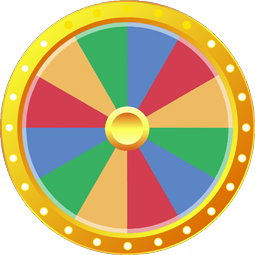
Yes or No Wheel is a free random picker whose 16 segments alternate between Yes and No. One spin lands on exactly one of them — no signup and no download.
You’re stuck choosing between two options that feel equally right or equally risky. If you’re asking should I use a yes or no wheel to decide, it means thinking longer isn’t helping anymore. A yes or no wheel cuts through hesitation and forces a clear outcome so you can move forward.
This tool doesn’t replace your judgment. It removes the noise that blocks it. When your mind loops, a simple binary answer creates movement.
Overthinking builds friction. You replay outcomes, imagine risks, and delay action. At some point, the problem is no longer the decision it’s the delay itself. A binary choice tool interrupts that loop and restores momentum.
Simplifying complex thoughts into a clear yes or no decision
When too many thoughts stack on top of each other, clarity disappears. You start weighing minor details as if they carry equal importance, and the decision feels heavier than it should.
In those moments, reducing multiple possibilities into one random outcome for clarity helps break that overload. The brain stops juggling options and starts reacting to a clear result.
This isn’t about avoiding responsibility. It’s about removing unnecessary layers. Once the answer appears, your reaction reveals more truth than analysis ever did.
Fast outcomes when overthinking blocks simple decisions
Some decisions don’t need depth. They need speed. But hesitation turns even simple choices into long internal debates.
A binary wheel creates an instant outcome. That speed matters because delay often creates more stress than the decision itself. Instead of looping, you act.
When hesitation spreads across different situations, letting a neutral system assign outcomes across different everyday choices keeps your thinking from getting stuck in the same pattern.
The result isn’t just an answer. It’s relief from the mental loop.
When emotions distort simple yes or no choices
Emotions complicate decisions that should be simple. Fear, excitement, or doubt can all push you in different directions at once.
In emotionally charged moments, using a flexible random decision format for emotionally unclear situations removes the emotional weight from the process. You stop negotiating with yourself.
The key shift happens after the spin. You either feel aligned with the result or resist it. That reaction is the insight you were missing.
Removing doubt with a quick yes or no spinner
Doubt thrives in uncertainty. The longer you stay undecided, the stronger that doubt becomes.
A yes or no spinner doesn’t eliminate risk. It eliminates indecision. That alone is often enough to move forward.
You’re not outsourcing your life decisions. You’re creating a trigger that forces clarity when your mind refuses to settle.
Decision clarity under pressure
In high pressure situations, like deadlines or social commitments, decisions feel heavier than they actually are. A binary tool simplifies the moment. It compresses complexity into action.
Trusting your reaction, not the outcome
The real value isn’t the “yes” or “no.” It’s how you feel about it instantly. That reaction reveals your hidden preference faster than any analysis.
Understanding how randomness affects decisions
Randomness introduces a break in repetitive thinking patterns. Instead of cycling through the same thoughts, you experience a forced shift. That shift often reveals what you were leaning toward all along.
Sometimes you don’t need more thinking. You need a decisive moment.
Once you start using simple decision tools, patterns become clear. You notice when you hesitate, when you trust the result, and when you override it. That awareness builds better decision habits over time.
Exploring more formats inside a complete collection of simple decision tools in one place helps you apply this approach across different types of choices without overcomplicating the process.
Spin once and settle your decision instantly
Are the odds equal on the yes or no wheel?
The wheel gives an exact fifty-fifty chance between Yes and No. It contains eight Yes slices and eight No slices, all the same size. Winners are picked using your browser's cryptographic random generator, ensuring unbiased results each time you spin. If you prefer uneven odds, you can edit the list next to the wheel to add more Yes or No entries.
Why are there sixteen slices on this yes or no wheel?
Alternating sixteen slices creates a balanced visual spin while keeping equal odds for Yes and No. Having multiple segments gives the wheel a classic look without changing the outcome. If you want fewer or more slices, you can adjust the entry list directly. The wheel redraws instantly as you type, and you can paste replacement lists using Text Mode or import them from spreadsheet files.
Can I mute the ticking and winning sounds on this wheel?
Ticking, win, and lose sounds can each be turned off individually in the wheel settings. You can silence the wheel entirely if you need a quiet spin, or keep only the audio cues you want. The settings also let you adjust the spin duration and speed, or change themes and slice colours to fit your preference.
Will the yes or no wheel work on a phone?
The wheel works directly on mobile phones and tablets without needing an app or an account. You can open it in any mobile browser to settle a quick decision on the go or pass the device around a group. Wheels save locally in your mobile browser, or you can sign in to sync your custom setups across other devices.
More Entertainment wheels you might like
More wheels from the same category. Pick one and spin it in seconds.





Let unexpected music choices reset the room’s listening energy instantly