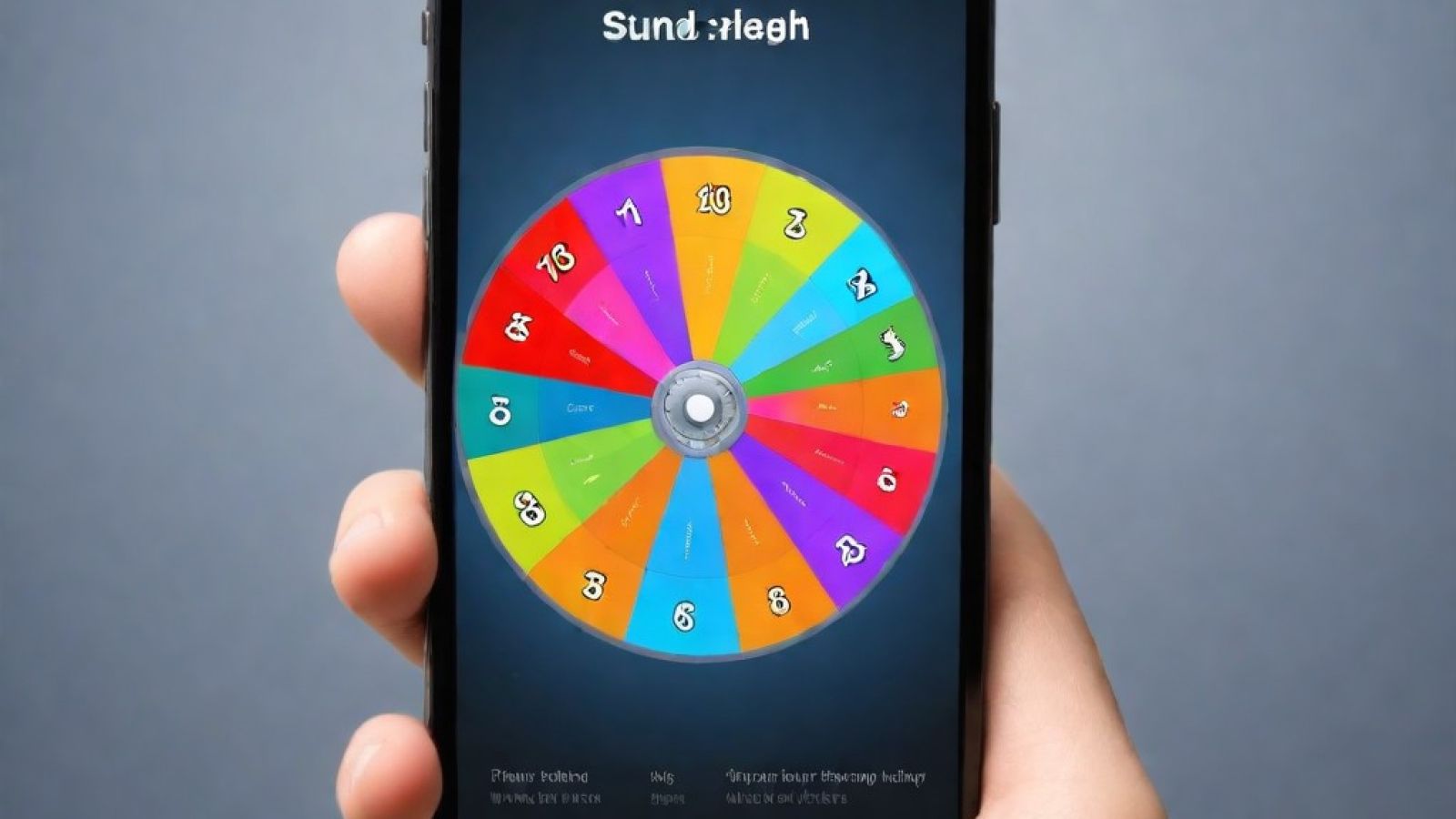

Lifestyle routines used to feel more fixed. People followed the same schedules, watched the same television blocks, and repeated the same weekend habits without much variation. Modern digital culture shifted that rhythm. Random wheel games became part entertainment tool, part social activity, and part daily routine shortcut.
The shift looks small at first. Someone spins a wheel to decide breakfast before work. A livestream host uses one during chat voting. Friends pass a phone around during a late-night hangout because nobody wants another twenty-minute debate over what to do next. The wheel stops being just a game and starts becoming part of everyday behavior.
Inside broader lifestyle systems shaped around routines, habits, and personal flow, spinning mechanics continue spreading because they reduce friction while still feeling playful.
Why routine-based wheel games fit modern daily habits
Modern schedules already overload people with small decisions. Morning alarms, workout timing, meal planning, screen breaks, and productivity goals all compete for attention before the day fully starts. Tiny choices quietly drain momentum.
That is why wheel systems started appearing inside normal routines instead of only party games. Some people use them during study breaks. Others use them while organizing chores, rotating hobbies, or deciding which task gets attention first after work.
Morning structure becomes especially easier with early-day activity systems that remove hesitation before routines begin, particularly when low energy makes even simple choices feel annoying.
How wheel spinning games became social lifestyle tools online
Livestream culture changed the way random wheels are used. Twitch streamers spin wheels for audience challenges, reaction choices, multiplayer punishments, or community polls because viewers stay emotionally invested while the outcome is still moving.
The same behavior appears across Discord calls and casual friend groups too. A wheel transforms ordinary decisions into shared events. Picking a movie suddenly becomes interactive instead of repetitive. Even snack choices during game nights feel more entertaining once suspense enters the process.
That social unpredictability explains why wheel systems survive longer than many trend-based apps. The reactions around the spin become more memorable than the result itself.
Why structured randomness works better than endless self-negotiation
People often waste more energy negotiating with themselves than actually doing the task. One part of the brain wants productivity. Another wants comfort. A third keeps delaying the decision entirely.
A wheel interrupts that mental loop quickly. The moment the spin starts, the focus shifts away from internal arguing and toward visible resolution. That small emotional change helps routines feel lighter instead of mentally exhausting.
Inside fast random outcome systems that remove repeated choice loops, users often react positively because the decision process finally moves forward instead of circling the same options repeatedly.
Why lifestyle wheels feel more personal than traditional random tools
Most random generators feel mechanical. Lifestyle wheels feel customizable instead. People build wheels around their own habits, moods, routines, and personal goals, which makes the experience feel tied to real behavior rather than abstract randomness.
Someone creates a self-care wheel for stressful evenings. Another builds a weekend activity wheel for family nights. Students use rotating study-task wheels during long homework sessions because visible progress feels easier to follow than static checklists.
Even structured systems like habit rotation setups designed around daily momentum often feel more motivating because the process adds movement and anticipation to repetitive tasks.
Randomness becomes surprisingly useful once it starts supporting everyday rhythm instead of interrupting it.
That balance explains why wheel-based lifestyle tools continue spreading across completely different age groups and online spaces. Younger users treat them like entertainment layers on top of routines. Older users often use them as lightweight structure systems that reduce small daily frustrations.
Family environments reveal the same pattern clearly. Parents use spinning systems for chore rotation, weekend activities, or dinner planning because visible randomness reduces arguments while keeping participation playful.
The wider ecosystem behind interactive spinning systems designed for daily decisions and social participation keeps growing because wheel mechanics adapt naturally to routines, entertainment, productivity, and group interaction without feeling overly technical.
Wheel-based routines survive because people enjoy structure more when it feels dynamic instead of forced.