
 By Noah Reed
Published
By Noah Reed
Published
Anime Names That Fit Modern Character Identity Trends
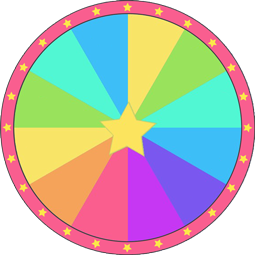
Anime Character Names Wheel is an online names wheel built from 24 equally sized segments, among them Akira, Seinen and Bankai. Every spin returns a single result.
Anime Names often seem easier to choose than they really are. A creator pauses an episode, looks at a newly designed protagonist, and realizes the name still does not match the personality, energy, or emotional tone imagined for the character.
Most naming advice says originality matters most. The reality is different. A name that feels disconnected from the character often creates a weaker impression than a familiar name that perfectly supports identity and audience expectations.
That tension becomes stronger when current trends, genre influences, and personal creative goals all pull in different directions at once.
The unfinished character already has a visual style, a role, and a story direction. Yet the name keeps changing. One moment it feels too generic. The next it sounds too similar to an existing hero. A creator might move between ideas inspired by Akira, Yuki, Kaito, or Renji and still feel unsatisfied because the emotional signal remains unclear.
Character personalities hidden inside naming choices
Names often communicate personality before a single line of dialogue appears. A softer sound can suggest warmth, while a sharper sound may imply confidence, mystery, or determination.
During early concept development, many creators compare personality driven naming patterns with future focused identities shaped by science fiction worlds. The comparison helps reveal whether a character belongs in a grounded setting or a more imaginative universe.
Small adjustments matter. A single syllable can change how readers perceive motivation, maturity, or emotional depth.
Classic tropes compared with original character direction
Anime culture contains recognizable naming signals. References connected to archetypes, training traditions, fantasy warriors, or school life stories immediately create expectations in the audience.
Some creators intentionally move away from convention. Others blend familiar influences with myth inspired character concepts with stronger worldbuilding flavor to create something memorable without feeling disconnected from genre expectations.
The strongest result usually appears between those extremes. Familiar enough to feel natural. Distinct enough to remain memorable.
Why emotional meaning shapes audience attachment
People rarely remember a character only because of visual design. They remember how the character felt during important scenes. The name becomes connected to that emotional experience.
A title inspired by ideas such as friendship, mentorship, determination, or belonging can create stronger recognition over time. Communities discussing anime on social platforms often attach meaning to names long before they analyze story structure.
This is why many creators revisit naming decisions repeatedly. The emotional connection must feel right before the character feels complete.
Creators looking across larger collections of themed naming experiences and random inspiration tools often notice how different naming styles generate completely different audience expectations.
Recognition grows when a name matches the role
A memorable name does not need to be complicated. It needs alignment. A heroic lead, a comic side character, and a mysterious rival each benefit from different naming approaches.
Genre signals also influence recognition. Elements associated with martial traditions, academy settings, fantasy adventures, or modern city stories create different audience assumptions before the plot even begins.
Some creators compare possibilities through branding styles inspired by anime focused creative themes because naming patterns often reveal what feels authentic to the setting.
A clear match between role and identity helps characters remain memorable long after viewers finish an episode.
Anime Naming Axis
Current trends move quickly. Names influenced by social media discussions, creator communities, and changing genre preferences can appear everywhere for a short period before fading. Chasing trends alone rarely creates the strongest result.
Reference points from platforms like structured randomization methods that remove repetitive creative bias can help creators evaluate options more objectively. A surprising selection sometimes reveals a stronger identity than the obvious choice.
Keep the character at the center. Trends should support identity, not replace it.
Creative projects rarely stop with one naming challenge. Similar moments appear throughout broader character building situations where personal identity guides every major choice, from appearance and backstory to worldbuilding details.
A brief shift in perspective often reveals what was missing all along. The right name usually feels less like a discovery and more like recognition.
Match one anime name to your character identity
Are these actual Japanese anime names or general terms?
The wheel includes both traditional personal names like Akira, Haruto, Yuki, and Sora, alongside popular anime culture terms and titles like Shinigami, Hokage, Sensei, and Bankai. If you want only realistic Japanese first names for your character, you can simply delete the tropes, weapon terms like Kunai, and archetype labels from the entry list before spinning.
Which names on this wheel work best for a male anime character?
Akira, Haruto, Renji, and Kaito are commonly used for male characters in anime and manga storylines. Yuki and Sora frequently serve as unisex options suitable for any character identity. You can keep just these masculine and gender-neutral entries on the wheel and remove fandom concepts like Tsundere or Kawaii to narrow your identity choices.
Can I add my own anime character names to this wheel?
You can add or edit names directly in the list next to the wheel, and the wheel updates automatically as you type. If you have an existing list of names from a series, use Text Mode to paste the entire list at once, or import a spreadsheet file in formats like .csv, .xlsx, or .txt.
How do I use this wheel to generate an anime guild or squad name?
You can combine multiple spins or adapt the wheel entries into group titles instead of individual aliases. For instance, terms like Dojo, Nakama, Shinigami, and Ronin can form squad titles. Enable the option that removes each winner after a spin so you can draw two complementary words in a row to assemble a unique team name.
More Names wheels you might like
More wheels from the same category. Pick one and spin it in seconds.


Find a fantasy name that strengthens character identity and lore
Compare trending and personal favorites through a focused shortlist