

 By Alex Bennett
Published
By Alex Bennett
Published
Basic Color Wheel for Simple Creative Starting Points
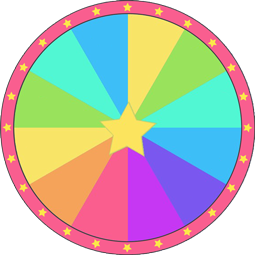
Basic Color Wheel is a free online wheel spinner with 20 options, including Red, Brown and Gold. Click or tap the wheel and it stops on one random result.
The sketchbook is open on the table, pencils are scattered beside it, and the first blank shape is waiting for color. A basic color choice should feel simple, but the moment red, blue, green, and yellow compete for attention, the page starts to feel louder than the idea.
The Basic Colors Wheel gives that first choice a cleaner spark. Instead of building the whole palette in your head, it turns the opening direction into a small surprise you can actually use.
The problem usually begins before anything is filled. One shade feels safer, another feels brighter, and a third suddenly looks better just because it has been staring back for longer. That loop slows the moment down more than expected.
That is where a random result shifts the energy. One direction appears, and the hand has something to respond to immediately.
Patterns beginners follow when testing core color combinations
Beginners often rotate between familiar tones first. Red feels bold, blue feels steady, and green feels easy to place. The cycle keeps repeating, not because the options are wrong, but because nothing breaks the pattern.
When a result interrupts that loop, the page gains momentum. For softer visual moods built around harmony rather than contrast, color choices shaped by aesthetic tone balance can guide the next layer without restarting the decision.
Differences between structured palette building and spontaneous color picking
Structured palette building asks for rules first—contrast, harmony, and balance. That works when experience is already there. In a beginner moment, it can feel like solving a system before making anything visible.
A spontaneous result keeps the process moving. It does not replace understanding; it simply delays complexity. For projects tied to digital layouts or screens, color selection aligned with web friendly palette logic fits better with interface thinking and clarity.
The hesitation beginners feel when exploring unfamiliar harmony rules
Color theory introduces uncertainty quickly. A beginner might question whether a shade clashes, fades, or dominates too much. That hesitation builds even in simple sketches.
A random pick turns that uncertainty into something usable. Instead of avoiding the decision, the result becomes the starting reference. In more unpredictable scenarios, unexpected color outcomes that shift creative direction can keep the process open without forcing strict logic.
What changes after committing to a single base color direction early
Once a base is chosen, the rest of the page becomes easier to read. The focus moves from comparing everything to adjusting around one idea. That shift reduces noise without removing creativity.
This is where a basic color decision quietly does its job. It anchors the page, then allows contrast or support to build naturally from there.
Color basics core
Choosing takes more effort when every option feels equally possible. That pressure can slow even simple creative work. A random selection lowers that weight by narrowing the field to one starting point.
For broader situations where quick direction matters more than precision, random selection as a general purpose choice trigger supports the same idea reduce the first decision, then refine afterward.
Creative flow often improves when the first move is small. One starting point does not need to define the entire palette. It only needs to give the next step somewhere to begin.
Across wider creative situations, decision moments expanded into flexible creative directions show how small starting points can scale into more complete ideas without slowing the process.
Anchor one base color to simplify your palette
Which colors are included on the basic color wheel?
The wheel contains 20 standard shades, including primary choices like Red and Blue, neutrals like Black, White, and Gray, and secondary tones like Maroon, Teal, and Gold. You can edit entries in the list next to the wheel to remove shades you dislike or paste in your own custom list using Text Mode.
Can I use this wheel to pick a primary design color?
This wheel helps establish a starting color direction before you build out a full palette. A single spin selects a core shade, such as Cyan, Olive, or Lime, from equal-sized slices via a cryptographic random generator. Once your anchor color is decided, you can adjust spin length and speed or add complementary colors directly into the list.
Does the wheel prevent drawing the same color twice?
You can enable an option that removes each winner from the wheel after it is drawn. This prevents repeating shades like Pink, Purple, or Silver when selecting multiple distinct accents in a sequence. The wheel automatically redraws without the winning entry, leaving the remaining colors on evenly distributed slices for subsequent spins.
Will the color wheel work on a phone during a group project?
The tool runs directly in mobile browsers on phones and tablets without requiring an account or app installation. Teams can pass the device around to spin for team colors, art assignments, or UI themes. Sound effects for ticking, winning, and losing can be turned off in the settings if you are working in a quiet space.
More Decision wheels you might like
More wheels from the same category. Pick one and spin it in seconds.