

 By Maya Brooks
Published
By Maya Brooks
Published
Board Game Wheel That Ends Group Choice Tension Instantly
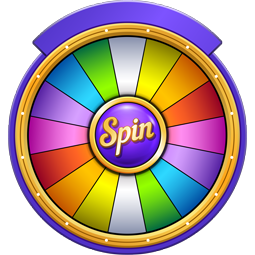
Board Game Wheel is a free spinner listing 24 options — Monopoly, Life Game and Codenames among them. Tap once and the pointer picks one at random.
Board game wheel solves the exact moment where a group sits around the table but no one agrees on what to play. Everyone has a preference, and every suggestion slows things down instead of starting the night.
One person suggests a strategy game. Another pushes for something fast. Someone else just shrugs. The delay grows, and the energy that should start the session fades before the first move even happens.
This is not about lacking games. It’s about the friction between preferences.
That tension builds when each player tries to protect their choice. The longer it goes, the harder it becomes to agree. The session hasn’t started, but the resistance already has.
Group hesitation patterns when game night decisions stall
Hesitation does not appear randomly. It builds from conflicting expectations. One player wants depth, another wants speed, and someone else wants familiarity. These differences create a silent delay.
The more options on the table, the less likely the group is to move forward. Instead of choosing, they compare. Instead of starting, they wait.
This friction mirrors what happens in mixed preference board game selection scenarios, where variety increases tension instead of excitement.
Manual voting versus spinning for faster group agreement
Voting feels fair but takes time. It opens discussion, which leads to persuasion, which often leads back to disagreement. The process stretches longer than expected.
Spinning removes that loop. It replaces negotiation with outcome. No one needs to defend their choice because no one made the decision directly.
This shift is clear when compared to cross category game pickers that remove personal bias, where speed matters more than preference.
Mental resistance when preferences clash during selection
Resistance shows up in small ways. A pause before agreeing. A reluctant “okay.” A suggestion that never fully lands. These signals slow the group down even if no one says it directly.
The more players involved, the stronger this effect becomes. Everyone wants a good experience, but agreement becomes the barrier.
That’s why systems like structured selection flows designed for competitive game groups reduce friction by shifting control away from individuals.
Immediate session start after removing choice friction
Once the decision is removed, the session begins immediately. No extra discussion. No second guessing. The group moves from hesitation to action in seconds.
That instant transition is what keeps the energy intact. It protects the momentum that usually disappears during long selection phases.
This is also where multi option random game systems that trigger instant starts help maintain flow without requiring agreement.
Game Choice Core
The real advantage is not the randomness. It’s the removal of responsibility. No one needs to justify the choice, and no one feels ignored. The system carries the decision.
People on sites like Reddit often say game nights stall because players get tired of choosing and worry about fairness. The pattern repeats more options lead to slower starts.
Reducing that friction changes the entire experience. The game matters, but the start matters more.
Momentum begins the moment the decision disappears.
In broader situations, random selection systems that eliminate group decision loops show how removing control can actually improve satisfaction.
That same logic extends further into situations where shared activities need a neutral starting point without forcing agreement or prolonging the process.
Lock one game quickly and start playing instantly
Which games are included on the board game wheel?
The wheel includes 24 titles ranging from family classics like Monopoly, Scrabble, and Clue to modern strategy games like Catan, Ticket to Rid, and Terraforming. Every entry is displayed in the list next to the wheel. You can keep all 24 or delete titles you do not own, and the wheel updates automatically as you make changes.
Can I remove classic titles like Monopoly or Clue?
You can edit or delete any title directly in the list next to the wheel. If your group dislikes Monopoly or Clue, simply delete those lines, and the wheel will redraw instantly without them. You can also paste your own game collection into Text Mode or import a spreadsheet from .csv, .xlsx, or .txt files.
How do I change the colours or theme of the wheel?
You can customize the colours and themes directly through the wheel settings menu on the page. Pick a visual palette that fits your game night setup. Along with palette options, you can adjust spin length and rotation speed, or toggle the ticking, win, and lose sound effects on or off to suit your preferences.
What should I do if nobody wants to play the chosen game?
Simply spin the wheel again to generate a different pick for your group. If you want to permanently eliminate games that nobody is in the mood for, turn on the option that removes each winner from the wheel after a spin. This guarantees the next spin selects among remaining titles like Yahtzee, Catan, or Codenames.
More Games wheels you might like
More wheels from the same category. Pick one and spin it in seconds.

Break repetitive Sims 4 story loops with unexpected narrative direction


Spin random challenge wheel and trigger quick playful home movement