

 By Maya Brooks
Published
By Maya Brooks
Published
Classic Board Game Under First Move Pressure
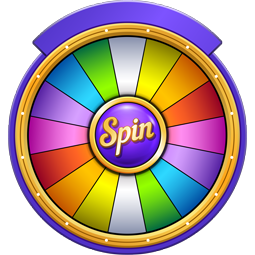
Lucky Board Wheel is a free spinner listing 24 options — Chess, Senet and Yutnori among them. Tap once and the pointer picks one at random.
Fast game choices can hide confusion; a wooden board makes the first move visible. A Classic Board Game helps beginners slow the table down, study one rule at a time, and feel strategy becoming learnable instead of intimidating.
That contrast is the point. Quick entertainment gives motion right away, but a slower tabletop choice gives every move a reason. Friendly rivals can watch, respond, and learn without rushing the player who is still reading the board.
The problem starts when beginners face too many strategic expectations at once. The pieces are lined up, someone explains openings too quickly, and the new player is still trying to understand what a legal move looks like.
A wheel gives the lesson one starting point. Instead of comparing every historic game on the table, the group settles on one result and lets the first few turns teach the room.
Beginners Practice Simple Board Rules Before Deeper Strategy
Beginners need rules they can see. Checkers gives clear movement, visible captures, and fast feedback when a move changes the board. For a broader starting set, a board game wheel for starter tables can help the group find a playable match before the lesson gets too heavy.
Ludo works when the room needs lighter turn taking, while Mancala teaches counting, planning, and cause effect without crowding the board. Start with the rule that is easiest to explain. Let strategy arrive after the first pattern appears.
Chess Like Planning Versus Lighter Table Games for New Players
Chess builds strong planning habits, but it can overload a first session if every piece, threat, and future move matters at the same time. Reversi feels lighter because the goal is visual flip pieces, control space, and watch the board change.
A Classic Board Game should fit the learner’s attention, not only the teacher’s favorite. Backgammon adds probability and positioning, while Dominoes keeps the pattern social and clear. If the table only needs a light side choice, a lucky picker wheel for quick choices belongs to that easier decision moment.
Slow Thinking Feels Rewarding When Each Move Matters
The reward in slow play is not speed. It is the moment when a beginner sees why a move worked. In Go Game, one quiet placement can matter later; in Chess, a simple developing move can be stronger than a tempting capture.
That pause creates the game feeling. A player studies, tests, watches, and adjusts. For experienced players who want a harder table after the basics feel comfortable, a pro board game wheel for advanced tables can raise the challenge without confusing the first lesson.
When the group wants more game related random tools, the wheel collection for game choices can keep selection quick before the table loses patience.
A Chosen Classic Game Can Build Strategic Patience
Patience grows when the group stays with one board long enough for patterns to appear. Mahjong can teach memory and tile awareness, but it needs a calm explanation. Checkers can build confidence faster because the board changes clearly after every move.
The best Classic Board Game for beginners keeps friendly competition alive without making new players feel lost. Let the group finish a short round, talk through one key moment, and play again with that lesson in mind.
Build classic thinking around one playable lesson.
A good game should require less thinking while still leaving room for skill. If a beginner spends every turn asking what is allowed, the game is too heavy for that moment. If the player can make a move, see the consequence, and try again, strategy starts to feel patient and rewarding.
For small setup calls, score targets, or turn numbers, a random wheel can support the table without replacing the game itself. Use it for structure, then let the board carry the real thinking.
A tabletop lesson works best when the pace stays shared. Nobody has to master the game in one sitting. One chosen board, one clear rule set, and one patient round can make strategy feel inviting.
For other low stakes game decisions, spin the wheel gives players a quick way to settle the next choice before the table loses momentum.
Start with one classic game for slow strategy
Which board games on this wheel are best for beginners?
Checkers, Mancala, Gomoku, and Reversi have simple rules that beginners can learn in a few minutes. These games let new players focus on fundamental positioning and tactical planning before trying complex options like Chess, Shogi, or Go Game. Spin the wheel to pick one at random, or remove the more complex games from the entry list before starting your lesson.
Are traditional games like Mancala and Senet easy to learn?
Mancala and Senet have straightforward rules that make them accessible for novice tabletop students. Ancient games such as Mu Torere, Nine Mens Mor, and Fox & Geese also use smaller boards and fewer pieces than Mahjong or Backgammon. They teach piece movement and turn-based thinking step by step, making them suitable choices for gradual, patient board game practice.
How many entries can I put on this board game wheel?
There is no fixed limit on the number of entries you can add to this wheel. As you add more games like Ludo, Fanorona, or Surakarta to the list next to the wheel, the labels automatically shrink to fit. You can edit entries directly or paste an entire list at once using Text Mode, and the wheel redraws as you type.
What should I do if I get a game I do not want to play?
You can spin the wheel again immediately or delete the selected game from the list. If you landed on a complex game like Shogi or Go Game, simply spin again. You can also turn on the option that automatically removes each winner, or delete unwanted games in the list editor so they do not appear on future spins.
More Games wheels you might like
More wheels from the same category. Pick one and spin it in seconds.

Break repetitive Sims 4 story loops with unexpected narrative direction


Spin random challenge wheel and trigger quick playful home movement
Choose a stable Rocket League Car for sharper ranked aerial consistency