

 By Alex Bennett
Published
By Alex Bennett
Published
Choice Maker Wheel – Decision Making Spinner
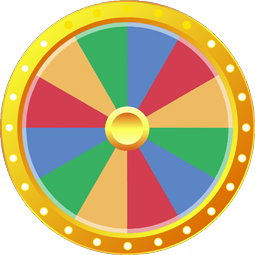
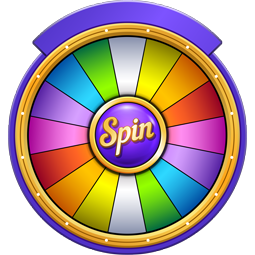
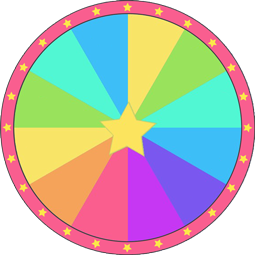
Choice Maker Wheel is an online decision wheel built from 40 equally sized segments, among them Go Plan A, In and Luck. Every spin returns a single result.
A choice maker wheel is not supposed to replace your judgment. That is the part most people get wrong. They treat the spin like an authority, then blame the tool when the result feels uncomfortable.
The smarter use is sharper. You spin, notice your reaction, and stop pretending that neutral analysis is still happening.
Most decision tools promise certainty. That sounds useful, but certainty is often the fake prize. In real decisions, especially the ones you care about, the first honest signal may be resistance.
The choice maker wheel works best when the result exposes what your thinking has been hiding. Maybe you wanted Plan A before the wheel moved. Maybe the “safe” option was just fear wearing a practical mask. Do not rush past that signal.
How Does the Choice Maker Wheel Work?
Add the options you are stuck between and each becomes an equal segment. One tap returns a single result, and your gut reaction to it usually tells you what you actually wanted. No signup, and the list can be edited and spun again.
When the Result Feels Wrong Before You Move
A wrong feeling result is not automatic proof that you should spin again. It may be proof that the wheel just touched the option you were quietly rejecting. That moment matters.
This is where a random choice without emotional disguise can be more useful than another private debate. The result creates friction on purpose. Your reaction gives the real information.
Pause there. Name the resistance. Then decide whether the result is truly bad or simply exposing your hidden preference.
Trusting a Spin When the Outcome Actually Matters
The choice maker wheel should not be treated like fate. That is lazy. It should be treated like a pressure test for a decision that has already survived too much thinking.
For a medium stakes choice, such as whether to start now, wait, ask for advice, or take the safer path, the wheel gives your mind something concrete to respond to. A bigger decision under heavier pressure needs that kind of reaction check, not blind obedience.
Act only when the result and your response point in the same direction. If they clash, examine the clash. That is the work.
Build the Wheel From Honest Options
A weak wheel does not fail because randomness is bad. It fails because the inputs were dishonest. If you add options you would never seriously choose, the spin only creates theater.
The stronger version contains real paths move, wait, ask, research, risk it, avoid it, finish it. Each option must be possible. Otherwise, a custom choice structure with real stakes will outperform a careless list every time.
Cut the fake choices. Keep the uncomfortable ones. That is how the tool earns trust.
Using a Decision Wheel When Other People Are Affected
No wheel can calculate another person’s needs for you. Good. It should not try.
What it can do is reveal your first preference before guilt, politeness, or fear edits it into something smoother. That does not make the preference final. It makes it visible.
Use the result as one layer, not the whole answer. If a friend, partner, team, or client is involved, your reaction still needs context. The spin shows your pull; responsibility decides what you do with it.
Is the Choice Maker Wheel Really Random?
Yes. Every entry gets a slice of the same size and the stopping point is generated randomly on each spin, so nothing is weighted and no result is favoured. The wheel keeps no memory of earlier spins.
That is why repeats happen. Landing on the same option twice in a row is normal for a fair draw, not a sign the wheel is rigged.
More Decision Wheels
Try the yes or no wheel, the random selection wheel or the random wheel. The decision wheel category collects every decision tool.
Choice Clarity Protocol
Most advice tells you to trust your gut. That is incomplete. Gut reactions are useful only when you know what triggered them.
That is why pre decisional regret matters. It appears before action, before consequence, before anyone else judges the choice. A useful neutral random trigger for testing reactions can expose that moment fast, especially when normal deliberation keeps circling the same options.
The point is not randomness. The point is interruption.
If this decision style fits one situation, it probably fits others too. Some choices need yes or no pressure. Some need a broader wheel. Some need a lighter tool that simply breaks the mental loop.
The useful move is to keep the system flexible, because a wider set of wheel based decision tools lets each decision get the kind of pressure it actually needs.
Spin once, read your reaction, and decide.
Can a random wheel help me choose between Plan A and Plan B?
The wheel reveals your real preference by prompting an immediate emotional reaction to the outcome. When it lands on Go Plan A, noticing instant relief or disappointment tells you what you actually want before committing. You can edit the entry list next to the wheel or switch options on phones and tablets without needing an account.
Which decision actions are included on the choice maker wheel?
The wheel includes forty binary directions, strategic actions, and thinking prompts. Entries feature practical moves like Ask Friend, Think More, and Fast Move alongside directional pairs like Risk Path and Safe Path. You can customize the default items in the list next to the wheel, and the slices redraw instantly as you change the text.
How many entries can I put on this choice maker wheel?
There is no fixed limit on the number of entries you can add to the wheel. You can paste an entire custom list at once using Text Mode or import files in .csv, .xlsx, or .txt formats. As your list grows larger, slice labels scale down automatically, and all slices retain equal odds using the browser cryptographic random generator.
What should I do if the wheel lands on a choice I dislike?
Take your negative reaction as clear evidence that you favor the alternative option. If landing on Pause Plan or Wait feels wrong, your gut is pointing toward Action or Bold Try. You can enable the option to remove the winning slice to narrow down remaining choices, or simply spin again to test your feelings against another result.
More Decision wheels you might like
More wheels from the same category. Pick one and spin it in seconds.