

 By Noah Reed
Published
By Noah Reed
Published
Class Students When Classroom Order Needs to Work Fast
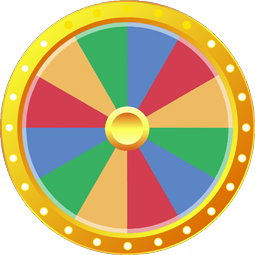
Class Students Wheel is an online names wheel built from 24 equally sized segments, among them Seat 1, Row C and Back Row. Every spin returns a single result.
Class Students can turn a busy classroom setup into a readable structure before the first bell finishes ringing. Desk labels, row markers, and group signs stop feeling scattered when the room has one clear order.
The problem shows up fast. Seat 1 looks fine until Row B shifts, Group 3 loses its place, and Desk Gamma becomes a question instead of a position.
Classroom setup through rows, seats, and visible groups
A room becomes easier to manage when every space has a visible role. Front Row, Back Row, and numbered seats give the teacher a quick mental map instead of a messy spread of names and desks.
That same structure matters when rotation begins. For longer participation cycles, a continuous class turn sequence can keep movement fair without forcing the teacher to rebuild the room logic each time.
Loose labels against structured student placement
Loose labels look harmless until a transition starts. One student moves, another group waits, and the teacher has to explain the same placement twice.
Class Students works better when labels behave like coordinates. Row C, Seat 6, or Group 2 creates a shared reference point, while classic name choices for classroom examples fit better when the lesson needs names rather than physical placement.
Teachers feel calmer when room order becomes readable
The calm comes from fewer small corrections. A teacher can glance across Desk Alpha, Desk Beta, and Desk Delta and understand the room without stopping the lesson flow.
This matters most with a large class. If one group finishes early and another needs support, student recognition without placement confusion keeps attention on progress instead of seating noise.
Structured placement improves lesson flow immediately
Once the layout is readable, instructions land faster. Students know where they belong, groups move with less friction, and the room stops burning time on repeated clarification.
Class Students is useful because it makes order visible. The teacher does not need a perfect system, just one that survives the first transition.
Class Structure Engine
A strong class structure is not only about names. It connects spatial mapping, group structure, and classroom flow so the teacher can move from setup to instruction without rebuilding the room in the moment. For broader randomization needs beyond one classroom layout, a flexible random wheel format gives the same controlled randomness in a wider tool context.
That wider context matters when the room is only one part of the day. A teacher may move from seating to activities, from groups to examples, and from lesson pacing to quick classroom choices. In that bigger rhythm, classroom choices inside a wider decision flow keeps the structure from feeling isolated.
Set classroom order before the lesson starts
How do I assign students to spots like Seat 1 or Row A without duplicates?
Turn on the setting that removes each winner from the wheel after every spin. When a student receives Seat 1 or Row A, that entry disappears so nobody else takes the same assignment. You can also edit entries in the list next to the wheel to remove unused options like Desk Alpha or Back Row as needed.
Can I use this wheel to split a class into Group 1 through Group 4?
You can delete the individual seat labels and keep only Group 1, Group 2, Group 3, and Group 4. Switch to Text Mode to quickly clear the desk entries or paste your student roster instead. Because all slices are the same size, each remaining group has an equal chance of being selected on every spin.
Where can I find code to embed this classroom wheel on a teacher blog?
Visit the /embed page on the site to get the embed code for your blog. You can paste that snippet directly into your web page so students can spin from any device. The embedded wheel works on phones and tablets without requiring users to log in or create an account.
Which wheel changes work best for assigning lab stations instead of desks?
Replace desk entries like Desk Beta and Front Row with specific science lab bench numbers. You can paste an entire list of lab stations at once using Text Mode, or import them directly from an .xlsx or .csv spreadsheet. The wheel automatically redraws as you update the list, adjusting slice labels to fit.
More Names wheels you might like
More wheels from the same category. Pick one and spin it in seconds.