
 By Maya Brooks
Published
By Maya Brooks
Published
Things To Do When Free Time Starts Slipping Away
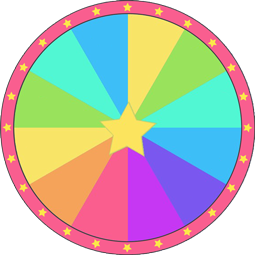
Current Task Wheel is a free online wheel spinner with 24 options, including Go Outside, Listen Music and Bake Cake. Click or tap the wheel and it stops on one random result.
Things To Do feels simple until the hour is already slipping away. The plan was to handle something useful, but the phone is open, the laundry is waiting, and the dishes are still sitting there like a quiet reminder.
The myth is that boredom means you need a better idea. Actually, most idle moments collapse because the first action is unclear, not because the options are bad.
Small Tasks Compete Hardest During Idle Moments
A blank stretch of time can turn tiny choices into noise. Go outside, read a book, make coffee, or clean the room all sound reasonable, but none of them wins fast enough to start movement.
This is where a quick task with visible payoff matters. It cuts the pause before the pause becomes the whole hour.
Useful Chores Feel Different From Restful Breaks
Not every option solves the same problem. Washing dishes gives visible order. A short walk resets the body. Watering plants gives the room a small sign of care.
The mistake is treating every activity as equal. a task challenge with light pressure works better when the moment needs motion, not deep planning.
Boredom Makes Starting Feel Bigger Than It Is
Boredom does not always mean there is nothing to do. It often means the brain refuses to spend energy choosing between low stakes actions.
That is why Things To Do can work as a reset. A spin turns the vague feeling of “maybe later” into one concrete direction, whether that means writing a diary entry, studying one topic, or taking a short break.
For a wider reset, free time with a clearer direction can help when the whole block of time feels loose.
One Quick Result Can Make the Hour Feel Useful
A useful hour does not need to become a productivity project. One small result is enough. A cleaner desk, one finished snack, or a short message to mom can change the feeling of the day.
The real benefit is momentum. Once the first task is done, the next choice feels smaller.
Task Choice Core
Things To Do is strongest when the goal is not perfection but movement. The tool gives one safe, everyday action so the moment stops floating. It also saves you effort because you don't have to compare every single chore, hobby, and break at once.
For binary moments where the issue is not which activity but whether to act at all, a yes or no answer for stalled action gives a sharper reset.
Idle time becomes easier to handle when the choice feels small enough to begin. The larger pattern matters too daily indecision reduced into simple prompts can turn scattered moments into cleaner action across the day.
Turn idle time into one simple action
What small tasks can I pick when I have free time?
The wheel includes a mix of quick practical actions and relaxing habits. Options like Make Coffee, Nap 20 Min, or Water Plants take just a few minutes, while activities like Read Book or Bake Cake fit slightly longer breaks. You can spin whenever you find yourself idle, or edit the list directly to match your current schedule.
Can this wheel help me choose chores versus relaxing activities?
This wheel balances productive chores with leisure options so you do not have to deliberate. It contains household chores such as Wash Dishes, Clean Room, and Do Laundry alongside downtime like Listen Music or Play Game. If you only want work or only relaxation right now, you can delete unwanted entries in the list next to the wheel.
How do I save this task wheel to use it later?
You can save this wheel directly in your web browser to keep your customized tasks ready for your next break. Signing into a free account will automatically sync your saved wheels across your phone, tablet, and computer. The tool is free to use, and your task list remains private inside your browser rather than published on the site.
Does every task on the wheel have an equal chance of winning?
Every task on the wheel has the exact same probability of being selected. All 24 slices are identical in size, and each winning result is chosen using your web browser's cryptographic random number generator. If you do not want to repeat an activity like Walk Dog or Draw Art, you can enable the option that automatically removes winners after each spin.
More Activities wheels you might like
More wheels from the same category. Pick one and spin it in seconds.


Choose a simple free time activity when low energy blocks your next move