

 By Maya Brooks
Published
By Maya Brooks
Published
Free Time Ideas for a Clear Mind Reset
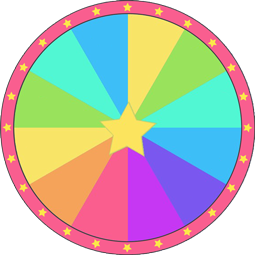
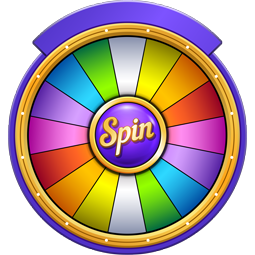
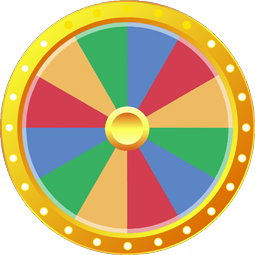
Free Time Ideas Wheel is a free random picker that holds 24 options such as Read a Book, Make Coffee and Write Diary. One spin lands on exactly one of them — no signup and no download.
Free Time Ideas should not feel like another task. You open a short break at home, maybe after finishing something small, and the room stays quiet while your mind keeps searching for what to do next.
You think about doing something useful, then something relaxing, then something creative. Nothing fully lands. The moment stretches, and the break starts slipping away before it even begins.
A simple wheel changes that. Instead of forcing the perfect plan, it introduces a small unknown. One result appears, and that is enough to move. Don’t wait for the perfect option. Start the first one.
Passive scrolling quietly replaces unstructured free time
The moment stays open too long, and your phone fills it without asking. It feels harmless at first, just a quick check, but it slowly replaces anything that needed a tiny bit of effort to begin.
That is why a softer entry into spare moments works better than building a full plan. The decision becomes smaller, easier to accept, and more likely to happen.
Free Time Ideas create that shift early. Instead of drifting into default behavior, you get a defined starting point before the habit loop takes control.
Structured plans versus spontaneous activity discovery
A structured plan tries to control the hour. A spontaneous choice lets the hour reveal itself. That difference becomes clear when your energy is not at its best.
If the break already feels thin, a short time bound push against idle drift adds direction without pressure. It gives shape without turning free time into another obligation.
The contrast is simple. Planning protects efficiency. Discovery protects engagement. Choose movement over hesitation.
Small actions feel easier when energy is low
Low energy does not remove curiosity. It just lowers the threshold for starting something.
A quick action can reset the entire mood. A short walk, a light creative moment, or even a small home reset shifts your mental state enough to unlock the next step. That is where Free Time Ideas become useful not as a list, but as a trigger.
That same curiosity expands into shared moments too. When two people pause without direction, a shared choice that breaks routine patterns introduces surprise without friction.
Unexpected choices break routine patterns naturally
Not every activity needs to be meaningful. Sometimes the value is simply in doing something different.
Routine builds comfort but also repetition. A random shift interrupts that loop and opens space for new experiences. A broader set like a wider collection of activity driven wheels keeps that sense of discovery alive beyond a single category.
This is where the reset happens. One unexpected result replaces the usual pattern, and the moment starts to feel active again.
Free Time Activity Picker
Free time often stalls because choosing feels heavier than acting. The more equal the options feel, the harder it becomes to move.
If you need even more distance from preference, a neutral numeric outcome without bias removes personal weight from the decision. It gives you a clean result that is easier to accept.
Once action begins, hesitation fades. The mind stops comparing, the body follows a direction, and the break becomes real instead of theoretical.
That is the role of Free Time Ideas in low motivation moments. They do not optimize the hour. They unlock it.
For situations where different types of decisions overlap, the full set of choice tools across categories extends that same momentum into food, games, and everyday actions without rebuilding the process each time.
Spin once, commit to the result, and move forward.
What low energy activities are on this wheel?
The wheel features simple, restful options such as Nap 20 Min, Listen Music, Pet My Cat, and Make Coffee. If you land on an activity you do not feel up to right now, you can spin again or enable the option to remove each winner so completed or skipped tasks leave the wheel.
Which productive tasks are mixed into the wheel?
Productive tasks include Clean Room, Fold Laundry, Update Apps, Sort Photos, Study Topic, and Plan Trip. These balance leisure choices like Watch Movie or Play a Game. You can edit the list directly in the panel next to the wheel, adding or deleting specific entries to match your priorities for the day.
Can I import my own free time activities from a spreadsheet?
You can import custom activities from spreadsheet files including .xlsx, .xls, .csv, .ods, or plain text .txt files. When uploading your file, you choose the specific sheet and column containing your ideas. The wheel updates immediately, and you can save the custom wheel in your browser to use later without creating an account.
How do I adapt this wheel for a quick workday break?
Replace longer hobbies with short five-minute resets like Make Coffee, Do Meditate, or Go for Walk. In the list next to the wheel, delete time-consuming entries like Bake a Cake or Watch Movie and type in quick desk stretches or screen breaks. The wheel redraws instantly on your phone, tablet, or computer.
More Activities wheels you might like
More wheels from the same category. Pick one and spin it in seconds.





Five to ten minute tasks end with visible proof before the next commitment.