


 By Noah Reed
Published
By Noah Reed
Published
Dog Names That Still Feel Warm at Home
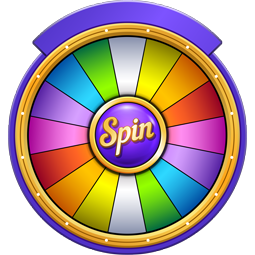
Dog Wheel is a free spinner listing 24 options — Buddy, Duke and Belle among them. Tap once and the pointer picks one at random.
Dog Names feel simple until the puppy is racing across the yard with muddy paws and three people are testing different calls at once. Buddy sounds friendly, Daisy feels gentle, and Rex lands with old school confidence, yet the right choice has to survive daily use.
Classic names create comfort because they already feel lived in. The hard part is finding one that still feels personal.
Testing puppy names through everyday calling moments
A name has to work outside a neat list. It has to sound natural near the back door, during a short walk, and when the puppy finally looks up after ignoring everyone for ten minutes.
That is why a broader dog naming reference point can help when the family keeps circling the same familiar choices.
Classic comfort against more distinctive puppy choices
Modern names can feel fresh, but classic choices carry less friction. Charlie, Lucy, Bailey, and Scout already sound easy in a home where everyone needs to remember the same call.
A related naming page like brand style naming with clearer identity pressure shows the contrast well some names need uniqueness first, while puppy names often need warmth first.
Why familiar names build owner attachment faster
Dog Names often become emotional because repetition changes the feeling. A name like Sadie or Toby may seem ordinary on paper, then become meaningful after one afternoon of calling it during play.
If the choice is leaning toward gender specific style, male puppy names with a stronger everyday tone can narrow the sound without losing comfort.
For families comparing several naming tools, wheel pages organized around different choices keep the process from becoming one long, mixed up search.
Clearer recognition from a name used naturally
A puppy does not need the most unusual name in the room. The name needs clean sound, steady use, and a tone that people will repeat without feeling awkward.
Short familiar names often win because they fit quick daily moments. Sparky, Pepper, Rusty, and Belle can each create a different identity without making the call feel forced.
Classic Naming Anchor
The strongest choice is usually the one that feels warm after repeated use. Pinterest boards and long name lists can be overwhelming, but the real test is simpler: say the name in the room where the dog actually lives. Nostalgia bias is not always a weakness here. Sometimes it points toward a name that already carries trust.
For a more direct random selection experience, a simple random wheel for final naming pressure can turn the last two or three favorites into a clear moment.
Once the name feels close, the wider pattern matters less. The family has to live with the sound, the puppy has to recognize it, and the first few days should feel easier rather than heavier. That is where one decision format for everyday uncertainty fits the moment without making the name feel overdesigned.
Name your puppy with everyday comfort in mind
Which warm dog names work best for everyday callouts?
Short, friendly names like Buddy, Daisy, Toby, and Sadie work well for everyday callouts because dogs recognize clear two-syllable sounds easily. The wheel includes 24 classic names such as Charlie, Lucy, and Rusty. You can edit the list directly next to the wheel to keep only the choices that match your pet's personality or appearance.
Can I use this wheel for male and female dogs?
This wheel includes a balanced mix of traditional male, female, and gender-neutral dog names. Slices feature feminine options like Belle and Lady, masculine choices like Buster, Benji, and Duke, and versatile names like Pepper, Scout, and Shadow. If you prefer names for a specific gender, simply delete unwanted entries in the side panel before spinning.
How many names can I add to the wheel?
There is no fixed limit on how many dog names you can put on this wheel. As you add more names to the list, the wheel redraws automatically and slice labels shrink to fit the wheel. You can paste large lists in Text Mode or import names from files like CSV, TXT, or Excel spreadsheets.
What should I do if I get a dog name I dislike?
You can simply spin the wheel again or remove the unwanted name from the list. If you land on a name like Sparky or Rex that does not fit your puppy, delete it from the text box beside the wheel. You can also turn on the setting that removes each winning name so it cannot be chosen twice.
More Names wheels you might like
More wheels from the same category. Pick one and spin it in seconds.






Compare online business names before launch momentum starts slowing