

 By Maya Brooks
Published
By Maya Brooks
Published
Family Fun Shared Activities for Better Evenings Together
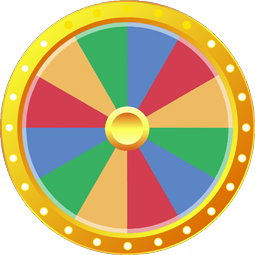
Family Fun Wheel is an online activities wheel built from 24 equally sized segments, among them Movie Night, Garden Work and Backyard Camp. Every spin returns a single result.
The couch is filling up. Homework is finished. One person wants a movie, another wants games, and someone else just wants to relax. Family Fun becomes most valuable at this exact moment because shared time disappears quickly when everyone drifts toward separate activities.
The problem is rarely a lack of options. The problem is finding one activity that feels acceptable to different personalities at the same time. A few extra minutes of debate often turn into everyone doing something alone.
That shift happens quietly. A good evening turns into several separate screens and separate routines.
Activities everyone can join without long discussions
Families naturally move toward activities that require little setup and broad participation. A board game on the table, a quick puzzle challenge, a story session, or a spontaneous music activity creates momentum because everyone understands the activity immediately.
Sometimes inspiration comes from shared moments that match the household mood, especially when energy levels vary across family members.
The goal is not perfection. The goal is getting started before attention moves elsewhere.
Screen entertainment compared with hands on shared experiences
A movie night can be comfortable and familiar. Hands on activities such as building a fort, baking together, creating artwork, or organizing a backyard camp create a different type of connection because participation continues throughout the experience.
Families often discover new possibilities through playful activities that keep younger members engaged when everyone needs a common direction.
Both approaches have value. The best choice depends on the atmosphere of the evening rather than a fixed rule.
How different preferences shape family time
Every household contains different interests. One person may enjoy card games while another prefers a bike ride or a library visit. Someone may want quiet conversation while another prefers active movement.
This is why Family Fun works best when it focuses on inclusion instead of individual preference. The strongest memories often come from activities nobody expected to choose at the beginning.
For families looking beyond a single activity, lighthearted challenges that encourage participation can introduce new experiences without creating pressure.
Keep moving forward. The atmosphere often improves once the first shared activity begins.
Why shared laughter changes the feeling of an evening
Laughter creates momentum. A simple scavenger hunt, a karaoke session, a talent show, or a photo activity can transform the tone of an ordinary evening surprisingly quickly.
People remember how an experience felt more than the activity itself. A small moment of collective enjoyment often becomes the story discussed again weeks later.
Broader collections inside everyday situations that benefit from shared decisions show how simple choices frequently lead to stronger group experiences.
Small successes matter. One enjoyable activity often encourages another.
Family Fun Protocol
Strong family experiences are rarely created through complicated plans. They emerge from ordinary moments that everyone agrees to share. A walk in the park, a puzzle challenge, a backyard activity, or a cooking session may appear simple, yet these experiences create the foundation of lasting memories.
Tools such as fair random selection for group participation are useful because they reduce negotiation and help the group move toward action faster.
Family Fun succeeds when attention shifts away from individual preferences and toward a shared experience. Once people begin participating together, the original disagreement usually becomes far less important than the activity itself.
Start one shared activity before evening energy fades
What indoor activities are on the family fun wheel?
The wheel includes indoor options like Movie Night, Board Games, Build a Fort, Karaoke Night, and Dance Party. If you land on an option that needs prep time like Bake a Cake or Cook a Meal, you can adjust your evening schedule or spin again. All 24 slices have an equal chance of being selected.
Which outdoor activities can we do with the family wheel?
Outdoor options on the wheel include Walk in Park, Bike Ride, Garden Work, Zoo Visit, and Backyard Camp. For quick games outside your house, choices like Hide and Seek or Scavenger work well. If bad weather makes outdoor choices impossible, you can use the option to remove selected entries and redraw.
How do I add my own family activities to the wheel?
You edit entries directly in the list next to the wheel, and the slices redraw instantly as you type. To add many ideas at once, switch to Text Mode and paste your list with one entry per line. You can also import ideas from a spreadsheet or text file without registering an account.
Can I adapt this wheel for a rainy day with toddlers?
You can modify the wheel specifically for young children stuck inside by replacing advanced options with simpler tasks. Keep choices like Story Time and Build a Fort, and swap out Zoo Visit or Video Games for sensory play. The tool lets you adjust colours, turn off sounds, and change the spin speed.
More Activities wheels you might like
More wheels from the same category. Pick one and spin it in seconds.




Choose a simple free time activity when low energy blocks your next move



Five to ten minute tasks end with visible proof before the next commitment.