

 By Noah Reed
Published
By Noah Reed
Published
Wheel of Names for Fair and Instant Random Selection
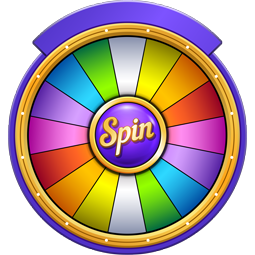
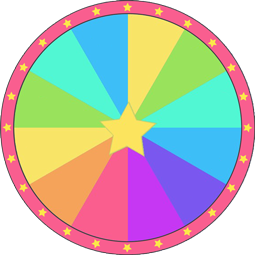
Wheel of Names is a free random picker that holds 12 options such as Liam, James and Isabella. One spin lands on exactly one of them — no signup and no download.
Picture a quick moment in a classroom or group setting. A teacher pauses, deciding who to call next, or a group hesitates before choosing someone for a task. Everyone is waiting, and the choice needs to feel fair. That small moment of pressure is exactly where a wheel of names removes doubt and keeps things moving.
Choosing fairly feels harder than it should. A wheel of names removes that pressure instantly by turning selection into a neutral, unbiased outcome.
People assume randomness feels risky or unreliable. Actually, the opposite is true structured randomness often creates more trust than manual choice, especially in classrooms, events, or group decisions.
Manual picking looks simple, but bias creeps in fast. Familiar names get chosen more often. Quiet participants get ignored. Over time, this creates imbalance and frustration.
A spinning system changes that dynamic. Every name gets equal weight. No hesitation, no second guessing. Just a clear result that everyone can see and accept.
Making name selection balanced when every option must feel equal
One common myth is that random tools lack control. In reality, they create a consistent structure where each option has the same probability. That’s why teachers rely on random wheel to keep participation fair and visible.
In a real classroom scenario, calling on students manually can feel uneven. Some hands go up repeatedly, others stay unnoticed. A name wheel removes that imbalance, making participation feel fair without needing constant oversight.
Why structured name picking improves group participation dynamics
Another misconception manual selection feels more personal. It doesn’t it just feels familiar. Simple tools make choosing less tiring and keep things fair. For example, pairing a name picker with yes or no wheel creates clarity in moments where groups struggle to move forward.
Events follow the same pattern. During giveaways, audiences trust visible randomness more than unseen decisions. A spinning wheel creates a moment everyone shares, making the result feel earned rather than assigned.
Running giveaways with visible randomness people can trust
People often question whether digital randomness is truly unbiased. The reality is simple: a properly designed system distributes outcomes evenly over time. When selecting winners, combining structured tools like random number generator with a name wheel ensures both fairness and consistency.
Imagine running a live contest. Picking a winner manually invites doubt. Using a visible spinning process removes that uncertainty instantly. The outcome becomes part of the experience, not a hidden decision.
Turning simple selection into an engaging shared experience
Another myth says randomness removes excitement. In reality, it adds anticipation. Watching the wheel spin builds tension, even in simple scenarios like choosing who goes first or assigning roles.
That small moment of unpredictability turns routine tasks into interactive experiences. It’s not just about the result it’s about how the decision unfolds in front of everyone.
Fair Selection Made Easy
Fairness is not about complexity. It’s about removing bias without removing clarity. In educational tools like Google Classroom environments, structured randomness supports equal participation without extra effort.
Even outside classrooms, organizers rely on this approach to maintain trust. A name picker ensures that outcomes feel neutral, especially when decisions impact multiple people.
Once fairness becomes visible, resistance disappears. People stop questioning the process and start accepting the result.
Over time, this consistency builds confidence. Whether it’s selecting participants, assigning tasks, or running contests, the method stays the same and that reliability matters.
Expanding beyond a single tool, systems that combine multiple formats offer more flexibility. You might start with a name wheel, then shift into broader decision tools available through a full collection of interactive selection tools in one place, depending on the situation.
This layered approach keeps decisions simple while adapting to different contexts. That’s where structured randomness becomes more than a tool it becomes a repeatable process.
Spin the wheel and instantly pick a random name without bias
Can I replace the default names like Liam and Emma with my own list?
You can replace the default names by editing the list next to the wheel or pasting a new list using Text Mode. The wheel redraws instantly as you update entries like Liam, Emma, or Noah. You can also import names from spreadsheet files such as CSV or Excel without needing an account.
Does the wheel have an equal chance of landing on every name?
Every slice on the wheel has the exact same size, giving names like Oliver, Sophia, and William identical odds. The winner is chosen using your browser's cryptographic random generator. If you need to pick multiple winners without duplicates, you can enable the option that automatically removes each drawn name.
How do I mute the ticking and winning sounds on the Wheel of Names?
You can turn off audio effects in the wheel settings. Ticking sounds, win sounds, and lose sounds can each be disabled individually whenever you need a silent spin. From those same settings, you can also adjust the spin length, rotation speed, slice colours, and background themes.
Is this name picker wheel compatible with mobile phones?
The wheel works directly inside web browsers on both mobile phones and tablets. You can easily pass a phone around a group or present the screen during an event without installing an app. Wheels save directly in the mobile browser, and signing in lets you sync them across devices.
More Names wheels you might like
More wheels from the same category. Pick one and spin it in seconds.




Find a fantasy name that strengthens character identity and lore

Compare online business names before launch momentum starts slowing