

 By Noah Reed
Published
By Noah Reed
Published
Student Group Picker for Better Classroom Collaboration
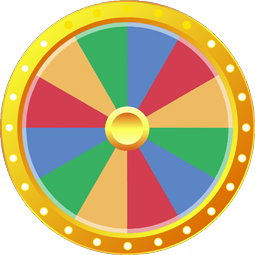
Student Group Wheel is a free spinner listing 24 options — Group 1, Masters and Achievers among them. Tap once and the pointer picks one at random.
Student Group choices matter most when the classroom is already moving and the teacher notices the same students pairing up again. A project is about to start, desks are being shifted, and familiar circles are quietly forming before anyone has read the task sheet.
The goal is not just speed. It is better participation. A Student Group tool gives the room a neutral push before Scholars stay with Scholars, Juniors avoid Seniors, or quiet Learners disappear behind the loudest voices.
The problem grows when the teacher starts adjusting groups by memory. Group 1 looks confident, Group 2 seems uneven, and Group 3 may have too many students who rarely speak first. That creates fairness pressure in front of the whole class.
Manual sorting can also take more effort. The teacher is trying to balance classroom dynamics, participation variance, and fairness bias while students are waiting. The process needs to feel calm, not personal.
Teachers reshaping groups for wider classroom interaction
A Student Group setup works best when it breaks the usual seating pattern without making anyone feel singled out. In a project session, neutral group creation for mixed participation can help students interact beyond the classmates they always choose.
The useful part is the visible neutrality. If Thinkers, Creators, and Brights land in different teams, the room can accept the result more easily because the teacher is not handpicking winners and followers. That lowers tension fast.
Skill balanced teams against interest based learning groups
Skill balance and shared interest do not always point in the same direction. A team of Geniuses may finish quickly but leave quieter students behind, while a group built only around favorite topics may lack enough range to complete the work well.
For lessons where a specific student needs to be assigned without turning the moment into a public debate, one student selection without classroom pressure keeps the focus on the activity instead of the selection itself.
Keep the grouping goal clear. Some days need mixed ability. Other days need energy, comfort, or fresh social contact.
Fair group dynamics that improve student engagement
Students engage more when the split feels fair before the task begins. If Masters, Seekers, and Freshmen are distributed in a way that looks balanced, students spend less time questioning the setup and more time working with the people beside them.
A broader classroom activity can also need a clearer grouping frame, especially when the teacher wants team slots that feel evenly assigned instead of a rushed verbal split.
Fairness is emotional as much as practical. A student who usually gets overlooked may participate sooner when the group result feels neutral and not based on popularity.
Thoughtful distribution for stronger collaboration
Better collaboration starts before the first worksheet is opened. The teacher can reduce repeated pairings, prevent one team from carrying all the confident speakers, and give quieter students a safer route into discussion.
This is where the Student Group format becomes more than a classroom shortcut. It protects the social balance of the room while still letting the lesson move forward. No speech is needed. The result does part of the explaining.
Student Sorting Logic
Good sorting logic respects more than names. It watches for uneven participation, repeated comfort zones, and the moment when fairness starts to matter more than perfect control. In a classroom activity that uses scores or quick rounds, even a tool like number based grouping for unbiased classroom rounds can support a cleaner structure.
A group picker should not replace teacher judgment completely. It should carry the visible pressure so the teacher can focus on learning behavior, timing, and how students respond once the teams begin working.
Once the teams are set, the same mindset can extend beyond one lesson. A teacher who uses Student Group sorting for projects, review games, and rotating discussion roles builds a broader habit around classroom choices that feel openly balanced instead of relying on the same familiar patterns every week.
That habit matters. Students notice when the room gives everyone a reasonable chance to work with someone new.
Help classroom participation grow through balanced groups
How do I assign students to teams like Scholars and Wizards?
Spin the wheel for each student to assign them to a group such as Scholars, Wizards, or Pioneers. If you want even group sizes, turn on the option that removes each winner after it is picked so that filled teams cannot be chosen again. You can also paste your student roster into Text Mode to track assignments.
Can I reduce the wheel to just four teams like Group 1 to 4?
You can delete unwanted entries directly in the list next to the wheel. The wheel redraws as you type, so you can keep only Group 1, Group 2, Group 3, and Group 4 if you need a smaller setup. You can also paste a completely fresh set of team names into Text Mode or import a list from a spreadsheet.
Where do I change the wheel colors or theme for my class?
Colours and themes are adjustable directly in the wheel settings on the page. You can customize the slice palette to match your school colors or assign distinct shades to teams like Thinkers, Creators, and Learners. You can also adjust the spin length, spin speed, and turn off ticking or winning sounds from the same settings menu.
What should I do if I get a group result I do not want?
Simply spin the wheel again if a selected group does not fit your classroom plan. Every spin uses the browser's cryptographic random generator, and all slices remain equal in size. If you never want an entry like Sophos or Freshmen to appear at all, delete it from the list beside the wheel before you continue spinning.
More Names wheels you might like
More wheels from the same category. Pick one and spin it in seconds.