

 By Maya Brooks
Published
By Maya Brooks
Published
NBA Team Wheel for the 2026-27 Season
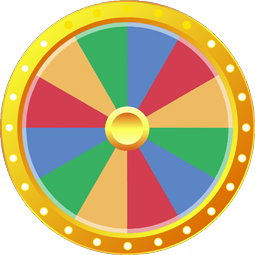
NBA Team Wheel is an online sports wheel built from 30 equally sized segments, among them Boston Celtics, Denver Nuggets and San Antonio Spurs. Every spin returns a single result.
The 2026-27 NBA season is here, the game night card is open, and friends are still choosing between the Los Angeles Lakers, Boston Celtics, Golden State Warriors, and New York Knicks. NBA Team Wheel gives the room one random basketball team to follow, write down, and use as a watch party side or friendly team challenge.
The first use is simple. Spin once, get one NBA team, add it to the card, and follow that team during the game.
That helps when nobody wants to settle on a side. A neutral viewer can stop floating between teams, and a group can turn the selected team into a shared focus for the night.
How Does the NBA Team Wheel Work?
All 30 NBA franchises sit on the wheel as equal segments. Tap the wheel, it spins, and the pointer stops on one team. No signup, no download — the pick takes about two seconds in your browser.
The list is editable too. Drop teams that are already claimed, keep one conference, or add your own options before spinning.
Random NBA Team for the 2026-27 Season
The 2026-27 season tips off in late October and runs for 82 games per team, with the NBA Cup in November and December, the trade deadline in February and the playoffs from April into June. That is a long stretch to follow a club, which is why a random NBA team generator works well as a season-long pick: spin once on opening night, keep the team, and let the year decide whether it was a good draw.
All 30 franchises from both conferences are on the wheel — 15 from the East and 15 from the West — so the NBA team spinner does not favour a contender over a rebuilding roster. Edit the list down to a single conference or division if the room wants a narrower draw.
The same wheel covers the shorter picks of the season too: a random team to back for one night, an NBA 2K matchup, a fantasy draft order, or a prediction round before the NBA Cup knockout games.
Pick One NBA Team Before Tip Off
The best time to use the wheel is before the game starts. If the Boston Celtics appear, the group follows that team for the night. If the Dallas Mavericks appear, the card gets a different team focus.
NBA Team Wheel is not there to judge which team is strongest. It simply gives fans one side to track when the room needs a clear pick.
For friends who also choose teams before football games, the NFL team wheel can handle the same kind of game night selection in another sport.
All 30 NBA Teams on One Wheel
The wheel includes all 30 NBA teams, which keeps the result from staying stuck on the most familiar names. A spin can land on the Chicago Bulls, Milwaukee Bucks, Denver Nuggets, Atlanta Hawks, or any other team in the full pool.
That full set matters for fairness. Legacy teams, big market teams, smaller market teams, and less obvious picks all belong in the same draw.
For mixed groups that want to switch between basketball, football, baseball, and other team sports, the random sport wheel can choose the sport before the team picker comes into play.
Use the Pick for Watch Parties and NBA 2K Matchups
A selected team can become a watch party side, a neutral fan pick, or a simple team challenge. Write the team on a card, choose who is using the pick, and follow that team through the game.
For NBA 2K sessions the wheel works as a quick team randomizer: each player spins once, locks the result, and the matchup is set before anyone can argue about roster ratings.
The challenge can stay light. One person gets the Miami Heat, another gets the Phoenix Suns, and the group compares how their teams shaped the night afterward.
If the game night group also follows baseball, the MLB team wheel can create the same kind of random team card for another league.
Is the NBA Team Wheel Really Random?
Yes. Each of the 30 teams gets an identical slice and the stopping position is chosen randomly every spin, so no franchise is favoured. Big market teams do not come up more often than small market ones.
Repeats are part of a fair draw. Getting the Denver Nuggets on two spins in a row is expected behaviour for a 30 option wheel, not a bug.
Turn the Selected Team Into a Game Night Card
A team pick becomes more useful when it has a place on the card. Add the selected team, the game or matchup being watched, the person or group using the pick, and the reason the team feels fun to follow.
If the Orlando Magic appear, the card gives a neutral fan a clear side. If the Sacramento Kings appear, the group has another team to follow without restarting the whole discussion.
A useful card has six fields: selected NBA team, game or matchup being watched, person or group using the pick, reason the team feels interesting, watch party role and final reaction after the game.
The final note gives the card a clean ending. Write whether the team made the game more fun to follow, whether the neutral pick worked, and whether the group wants to spin again next time.
More Sports Team Wheels
Basketball is one league of many. Try the NFL team wheel for football, the MLB team wheel for baseball, or the Premier League wheel for football clubs. The sports wheel category keeps basketball, football, baseball, and matchday wheels in the same place.
For simple team selection outside basketball, a random team picker can handle broader draws, and the wider wheel collection for game night picks helps when friends want extra prompts before or after the main game.
Spin the NBA Team Wheel to pick a basketball team for the 2026-27 season.
Which NBA teams are included on this wheel?
This wheel includes all 30 official NBA franchises, from the Boston Celtics and New York Knicks in the East to the Los Angeles Lakers and Golden State Warriors in the West. You can edit the list next to the wheel to narrow it down to specific divisions or conferences. The wheel redraws instantly whenever you add or delete teams.
Can I pick an NBA team for 2K without repeating winners?
Yes, an optional setting automatically removes each winning team from the wheel so it cannot be selected twice. This is useful when drafting teams for NBA 2K tournaments, fantasy leagues, or game nights. For example, once the Milwaukee Bucks or Denver Nuggets are chosen, they disappear from the wheel, leaving the remaining franchises for future spins.
How many entries can you put on this NBA wheel?
There is no fixed limit on the number of entries you can add to the wheel. You can keep all 30 teams, cut the list down, or add custom entries like historic rosters and player names. Slice labels automatically shrink as the list grows, and every slice remains the exact same size for a fair result.
Does this NBA team picker work on a phone?
The wheel runs directly in web browsers on both phones and tablets without installing an app. You can tap to spin during watch parties or use it anywhere with an internet connection. The tool is free, does not require an account, and uses the browser's cryptographic random generator to pick a random team on every spin.
Is the NBA team wheel updated for the 2026-27 season?
Yes. The wheel lists all 30 franchises playing the 2026-27 NBA season, split evenly between the Eastern and Western Conferences. Team names are checked at the start of each season, and you can edit any entry in the list next to the wheel if your game night uses a different set of teams.
More Sports wheels you might like
More wheels from the same category. Pick one and spin it in seconds.

Random soccer club picker featuring the biggest football teams worldwide