

 By Noah Reed
Published
By Noah Reed
Published
Coin Flip – Free Online Heads or Tails
Flip a coin online and get an instant heads or tails result. This coin flip works as a 50/50 decision maker for settling arguments, choosing who goes first, sports kickoffs, and any choice where two options are genuinely equal.
No physical coin, no arguing about whether it landed flat. One tap, one result, and the decision is made.
How Does the Online Coin Flip Work?
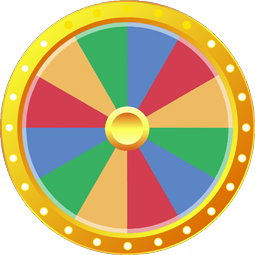
The wheel holds two equal segments: heads and tails. Tapping it spins the wheel and the pointer stops on one side. Nothing to install, no account, and the whole flip takes about two seconds in your browser.
Because both outcomes occupy exactly half the wheel, the odds match a real coin toss. There is no bias toward either side and no memory of earlier flips.
When a Coin Toss Beats Thinking It Through
A coin flip is the right tool when both options are genuinely acceptable and the cost of deciding is higher than the cost of being wrong. Which restaurant, who takes the first turn, which route to drive.
It is the wrong tool when one option is clearly better and you are hoping the coin gives you permission. In that case the flip still helps, but only because of how you react to the result.
Using the Result to Reveal What You Actually Want
There is a well known trick with coin tosses: flip, and pay attention to your reaction before you look for a reason. Relief means you wanted that outcome. Disappointment means you wanted the other one.
Used that way, the coin is not making the decision at all — it is surfacing a preference you already had but could not name. That is often more useful than the result itself.
Coin Flip for Sports, Games and Turn Order
Kickoffs, first serve, who breaks in pool, which team picks first. A visible flip everyone watches settles turn order without anyone claiming the draw was arranged.
For more than two options, a coin does not work. Use the random wheel for a custom list, or the wheel of names when the options are people.
Best of Three and Other House Rules
Decide the rule before the first flip. One flip means the first result stands. Best of three works for casual groups, but only if everyone agrees in advance — otherwise the flipping continues until someone gets the answer they wanted, which defeats the point.
If a group cannot agree on the rule, that usually means the two options were never equal, and a different tool is needed.
Where the 50/50 Assumption Breaks Down
A coin toss only settles a decision cleanly when both outcomes are genuinely acceptable. If one option carries a real cost, randomising it does not remove the cost — it just removes your responsibility for choosing.
The useful test is simple: would you be content to act on either result without a second thought? If yes, flip. If no, the flip is not the tool you need, and the hesitation is telling you something worth listening to.
Groups often use a coin for the small stuff precisely so they have energy left for the decisions that actually matter. That is a reasonable way to spend a flip.
Is the Coin Flip Really Random?
Yes. Every entry occupies a slice of the same size and the stopping point is generated randomly on each spin, so nothing is weighted and no option is favoured. The wheel keeps no memory of previous spins.
That is why repeats happen. Getting the same result twice in a row is normal for a fair draw, not a sign the wheel is rigged.
Heads or Tails Without a Coin
Most people no longer carry change, which is why an online flip has quietly replaced the physical one. It also removes the two classic disputes: whether the catch counted, and whether the coin was fair to begin with.
The result appears on screen for everyone to see at the same time, so there is nothing to re-litigate afterwards.
More Decision Wheels
Try the yes or no wheel, the choice maker wheel or the random wheel. The decision wheel category collects every decision tool.
Is this coin flip wheel truly 50/50 between heads and tails?
This coin flip wheel provides an exact 50/50 chance between Heads and Tails. Both slices are equal in size, and the winning outcome is determined by your web browser's cryptographic random number generator rather than a pre-set pattern. You can spin as many times as needed to resolve a tie, make a choice, or run a probability experiment online.
Can I flip multiple times without getting the same result?
You can enable the option to remove each winner from the wheel after a spin. If Heads lands first, it disappears, leaving Tails as the only remaining slice for the next turn. Alternatively, keep both entries intact on the list to simulate standard, independent coin tosses where either result can appear consecutively.
How do I change the colours or theme of the coin flip wheel?
You can change the colours and theme directly in the wheel settings on the page. Pick a preset theme or customize the individual slice colours for Heads and Tails. You can also adjust the spin length and speed, or mute the ticking and result sounds to match your visual and audio preferences.
Does this coin flipper work on a mobile phone?
The coin flip wheel runs directly in the mobile browser of any smartphone or tablet. You do not need to install an app or register an account to flip between Heads and Tails. Simply tap the wheel on your screen to spin it during games or quick group decisions on the go.
More Decision wheels you might like
More wheels from the same category. Pick one and spin it in seconds.




Pick one outdoor activity before the indoor option takes over
Your group chat agrees on a weekend plan without anyone feeling forced.