

 By Alex Bennett
Published
By Alex Bennett
Published
Why Solo Activity Wheel Matters
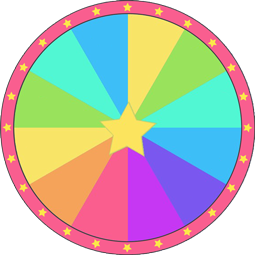
Solo Do Wheel is a free spinner listing 29 options — Read Novel, Tea Time and Zen among them. Tap once and the pointer picks one at random.
On a quiet afternoon beside a sunny window, headphones still resting on the table, the next hour can feel open but strangely undefined. A Solo Activity Wheel helps that hour reflect who you are today instead of turning silence into a space you rush to fill.
The mechanism is simple one spin turns mood into movement. If your mind wants calm, the result might lean toward tea time, meditation, journaling, or an audio book. If your energy feels sharper, it might point toward learning code, baking bread, painting art, or walking through the park with a camera.
The real issue is not being alone. It is choosing an activity that feels like yours. A solo afternoon can split between rest, skill building, self care, and playful focus, and each direction says something different about the kind of time you want to protect.
The wheel works because it gives autonomy a shape. A puzzle session feels different from a gym hour. A clean room creates a different result than writing a blog. The choice becomes less about filling time and more about recognizing the version of yourself that needs attention right now.
Alone time between rest, learning, and self care
Solo time changes quickly. One moment, the best fit is a quiet novel; ten minutes later, the room feels ready for a reset, a goal list, or a small garden task. The wheel supports that shift by presenting one clear activity instead of asking you to hold every possible option in your head.
That is why a daily action that matches ordinary energy fits naturally beside this kind of tool. Daily choices are often smaller and more practical, while solo choices carry a stronger identity signal. The result should feel personally right, not merely convenient.
A Solo Activity Wheel can land on drawing a comic, organizing a shelf, practicing yoga flow, or studying hard. Each result creates a different relationship with the hour. The useful question is not “What can I do?” but “What fits the state I am already in?”
Productive routines and playful hobbies for quiet hours
Productive alone time does not always mean intense work. Baking bread can feel productive because it creates something real. Puzzle time can train focus without feeling like a task. Craft work can give your hands something steady to do while your mind settles.
Weekend planning has a broader rhythm, so a wider plan for protected days off makes sense when the whole day needs direction. In contrast, this solo wheel is more personal and immediate; it helps you notice whether your quiet hour wants structure, rest, or expression.
There is also a difference between independence and drifting. A solo movie, podcast, photo trip, or self care routine can all be good outcomes, but they do not serve the same need. The wheel narrows the field, then your mood confirms whether the result feels like a true fit.
For moments that feel more urgent, a now focused answer for immediate action can reduce the pressure of choosing under a ticking clock. This page is softer than that. It is about shaping independent time so it reflects your personal rhythm.
Autonomy feels stronger when the activity matches your mood
Autonomy is not just doing something alone. It is feeling that the activity belongs to you. If the wheel points toward meditation after a noisy morning, the cause is clear your attention needs space, and the outcome is a calmer return to the day.
If it lands on learn code, write blog, or study hard, the signal is different. The hour becomes a small investment in competence. If it lands on sing loud, day dream, or paint art, the result gives expression more room than productivity.
Let the result reveal the fit. A bath, a journal entry, or a short walk can all be valid because each answers a different internal need. This is where cognitive flexibility matters the wheel helps you move from a fixed idea of “useful time” into a better match for the moment.
One fitting solo action makes time feel intentional
A single fitting action can change the whole texture of an afternoon. Cleaning the room may create visible order. Reading a novel may create distance from screens. A gym hour may turn restless energy into something physical and complete.
The wheel keeps you from getting tired of deciding without taking away who you are. You still respond to the result. You can accept the tea time, swap a long workout for a gentle stretch, or turn garden work into watering plants on the balcony.
That small adjustment matters. The outcome is not obedience to randomness; it is self regulation with a prompt. The spin gives you a direction, and your actual energy decides the scale.
Solo planning hub
A strong solo planning habit does not require a heavy system. It requires a repeatable way to notice your state and move into one fitting action. A wheel can support that by making rest, learning, creativity, order, and self care equally available without making one type of activity seem more valid than the others.
This is also why a neutral randomizer for open ended choices can be useful when the outcome set changes from day to day. The structure stays simple, while the options can reflect your current life more study during a busy week, more self care after pressure, more playful hobbies when your mind needs looseness.
The broader value is quiet but practical. A solo hour stops feeling like leftover time and starts becoming a personal choice. The wheel does not define you; it helps you hear which option already sounds like you.
From that perspective, a broader path from hesitation to direction connects this tool to everyday choices without making the moment feel forced. The same principle applies whether you are planning a full day or only the next hour the right prompt can turn vague time into something lived.
The Solo Activity Wheel matters because it keeps independence active. It gives the afternoon a shape, but the shape still belongs to you.
Match alone time to your current mood
What activities are included on the Solo Do Wheel?
The Solo Do Wheel contains 29 solitary activities designed for spending an hour alone. These range from quiet rest like Tea Time, Zen, Meditate, and Read Novel to active projects like Learn Code, Paint Art, Bake Bread, and Clean Room. All slices are equal in size, and you can edit or add new items in the list next to the wheel.
Which options on the wheel are best for relaxing alone?
Several entries focus purely on relaxation and quiet downtime, including Bath, Zen, Day Dream, Meditate, and Tea Time. If you prefer low-effort entertainment, options like Audio Book, Podcast, and Solo Movie are also available. You can trim the wheel in the editor next to the wheel to leave only calm entries if you want a purely restful session.
Can I remove an activity after it wins so it does not repeat?
You can enable an option that removes each winner from the wheel so it cannot be drawn twice. Once an entry like Walk Park or Bake Bread is chosen, it leaves the list and the wheel redraws automatically. This allows you to cycle through multiple unique pastimes across a day without landing on the same task again.
How should I handle landing on an activity I do not want to do?
Spin again or delete that entry directly from the list next to the wheel. If the wheel lands on Gym Hour or Clean Room when you prefer quiet rest, you are free to take another spin or remove undesirable options entirely. The wheel updates immediately as you edit entries, so you can tailor the selection to your current mood.
More Decision wheels you might like
More wheels from the same category. Pick one and spin it in seconds.



Your group chat agrees on a weekend plan without anyone feeling forced.