


 By Alex Bennett
Published
By Alex Bennett
Published
Weekend Activity Wheel for Protected Days Off
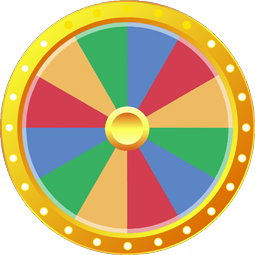
Weekend Do Wheel is an online decision wheel built from 30 equally sized segments, among them Beach Trip, Farm Visit and Fly. Every spin returns a single result.
Saturday starts with coffee near the balcony door, transit routes open, and two people trying to make the free hours count before the day slips away. The Weekend Activity Wheel gives that loose morning a clear direction without turning the weekend into a planning meeting.
The point is not to build a perfect schedule. It is to land on one usable idea, move with it, and protect the energy that finally returns after the workweek. A result might send you toward a park walk, a museum, a picnic, a bike ride, or a quiet cafe visit, and each one turns blank time into something you can actually do.
The small problem appears fast. One person wants fresh air, the other thinks a movie night sounds easier, and both keep checking maps, weather, and opening hours. The free morning starts feeling smaller while the options keep spreading.
A weekend activity wheel cuts through that spread by making the next step visible. Not final forever. Just final enough for today. The wheel may point toward a market, a photo walk, a zoo visit, or a book shop, and the couple can stop defending every preference before leaving the apartment.
City couples choosing nearby escapes before Saturday disappears
Urban weekends can feel full and empty at the same time. There are parks, fairs, museums, malls, concerts, and walking routes nearby, yet the easiest outcome is still staying inside because nothing feels clearly chosen. That is where a weekend plan that breaks the standoff fits naturally when the discussion keeps circling the same few ideas.
The wheel works best when the result is treated as a starting signal. If it lands on a beach trip, the day gets a brighter, longer shape. If it suggests a cafe visit or market stop, the plan stays light and close. The reward is speed less debate, more movement.
Spontaneous outings that beat heavy weekend schedules
A strict plan can make the weekend feel like another work calendar. A random result keeps the day flexible while still giving it a direction. A Weekend Activity Wheel can point toward camping, a fair, a theatre visit, or a swim meet without asking anyone to rank every option first.
Solo time has a different rhythm, especially when one person wants a reset before rejoining the week, so a personal plan for quiet weekend momentum can make sense when the group plan splits into separate preferences. That contrast matters because not every day off needs the same social shape.
Keep the result light. A road trip can become a short drive to a nearby viewpoint. A resort idea can become a pool day or relaxed staycation. The wheel gives permission to simplify the version that fits the actual day.
Free time feels better when the plan starts moving
The strongest benefit is momentum. Once the wheel lands on a hike trail, festival, boat ride, or sport game, the next conversation becomes practical shoes, tickets, snacks, transit, timing. That is a better use of shared energy than comparing every possible plan until noon.
On weekends when the couple already knows they want activity but not intensity, a daily activity direction with lower pressure can support smaller choices during the rest of the week. For the main day off, though, the weekend activity wheel works because it respects the bigger emotional value of free time.
That value is simple. The hours feel protected when the decision stops leaking into them. A bike ride can start. A museum can be reached. A picnic can be packed.
A simple weekend plan creates shared movement
The best outcomes are easy to adapt. If the wheel points to a concert but tickets are gone, the same mood can shift toward a street performance or fair. If it lands on a farm visit and the travel time looks too long, a market or park walk keeps the day active without forcing the original idea.
For people who enjoy comparing different spinner formats, wheel formats for everyday choice moments can connect this weekend tool to broader planning habits. Keep the weekend version focused, though. The result should answer one question what are we doing with this block of free time?
The Weekend Activity Wheel is especially useful for group dynamics because it removes the need for one person to become the planner. The wheel can suggest a mall trip, theatre visit, yoga in the park, or a short drive, and everyone reacts to the same prompt instead of defending separate lists.
Leisure planning unit
Think of the wheel as a small leisure planning unit, not a personality test. It handles choice overload by turning many safe weekend options into one visible outcome, then lets the people involved adjust for weather, budget, distance, and energy. That keeps opportunity cost from taking over the morning.
People already trust randomizers for fair turns, classroom games, and light group choices, and a familiar random selection format for groups shows why the method feels acceptable when no option is objectively wrong. The fairness matters a picnic day, museum visit, or movie night can win without anyone feeling ignored.
The broader habit is useful beyond one Saturday. Some days need a fast shared answer; others need a smaller nudge toward movement. A wheel creates that nudge without making the weekend feel automated.
That same logic connects to clear choices when free time needs direction, because the real problem is rarely the lack of options. It is the gap between having options and turning one into a lived moment. The sooner that gap closes, the more the day feels like time off instead of planning time.
Turn days off into one clear plan
What are some quick weekend activities on this wheel?
Quick activities on the wheel include Park Walk, Cafe Visit, Book Shop, and Photo Walk. If you only have a few spare hours on Saturday, you can delete bigger commitments like Camping or Road Trip from the list next to the wheel. The wheel redraws instantly, leaving only low-commitment outings for your spin.
Which weekend plans on the wheel work best for bad weather?
Indoor activities like Movie Night, Game Night, Museum, Theatre, and Mall Trip suit rainy or cold days. You can edit the text list next to the wheel to remove outdoor options like Beach Trip and Hike Trail before you spin. The tool is free and works in any browser without signing up for an account.
Can I import weekend ideas from an Excel or CSV file?
You can import your own weekend list directly from an .xlsx, .xls, .csv, .ods, or .txt file. The tool prompts you to select the correct sheet and column from your spreadsheet. The wheel updates immediately with your custom entries, and you can adjust spin speed, colours, and sound effects to your liking.
How can I adapt this wheel for low budget weekend plans?
Replace costly outings like Resort, Fly, or Concert with free local ideas like Picnic Day, Hike Trail, or Bike Ride. You can edit the list directly beside the wheel or switch to Text Mode to paste a whole new set of free activities at once. The wheel redraws as soon as you update the entries.
More Decision wheels you might like
More wheels from the same category. Pick one and spin it in seconds.




Your group chat agrees on a weekend plan without anyone feeling forced.