

 By Alex Bennett
Published
By Alex Bennett
Published
Choice Wheel – Make a Fair Random Selection
Choice Wheel is a free spinner listing 39 options — Select A, Blue and Spin among them. Tap once and the pointer picks one at random.
The random selection wheel changes the moment when a group stalls and no one wants to take responsibility. In that shared pause, where everyone looks around for someone else to decide, the random selection wheel introduces a neutral outcome that feels instantly acceptable.
No debate. No subtle pressure. Just a result that lands cleanly and moves the group forward.
At a table, in a meeting, or during a casual plan, that shift matters more than the choice itself.
decision based scenarios where group choices need neutral resolution often benefit from removing personal ownership of the outcome.
The hesitation is not about options being unclear. It comes from people avoiding the weight of choosing for everyone else. That tension builds quietly until something external breaks it.
How Does the Random Selection Wheel Work?
Type or paste your options and each one becomes an equal segment. A single tap picks one at random, so a group can settle a choice without a vote. Nothing to install, and the list can be reused or edited between spins.
When Group Hesitation Disappears Through a Neutral Spin
In a small group deciding what to do next, silence stretches longer than expected. Everyone has a preference, but no one pushes it. That is where a structured picker that converts options into a single neutral result shifts the energy immediately.
The moment the wheel spins, ownership disappears. The result feels shared, not imposed. That subtle change removes tension without forcing agreement.
The random selection wheel works here because it replaces personal choice with collective acceptance. No one argues with randomness when everyone agreed to it beforehand.
Manual Voting vs an Automated Random Draw
Voting seems fair at first, but it often reveals hidden bias. Some voices carry more weight, and quieter participants step back. In contrast, a randomized selector that avoids visible preference patterns creates a different kind of fairness.
Instead of comparing opinions, the group watches the outcome unfold. Because no one chooses personally, it removes pressure from other people.
This is where automated draws outperform manual methods. The result is not just faster, it is cleaner in how people accept it.
How Shared Randomness Builds Trust in a Group
Trust inside a group is fragile when decisions feel influenced. Even small biases can create quiet resistance. A choice system that removes personal influence from outcomes helps stabilize that dynamic.
When everyone sees that the result is not controlled, reactions soften. The group aligns faster because there is nothing to question.
The random selection wheel does not just pick. It protects the group from subtle conflicts that usually follow unclear decision processes.
Why Removing Responsibility Creates Smoother Agreement
Responsibility can slow down even simple choices. People hesitate because they do not want to be blamed if the result feels wrong later.
By shifting the outcome to an external system, that pressure disappears. The decision feels lighter, almost automatic. That is why agreement comes faster.
A small shift like this changes the entire rhythm of group interaction. Less tension. More movement. Decisions feel natural again.
Understanding fairness perception through real world behavioral insights
Research into group behavior shows that people accept outcomes more easily when they believe the process is unbiased. According to randomized systems that demonstrate consistent probability distribution, visible neutrality increases trust even if the outcome is unexpected.
This explains why groups rarely challenge a random result. The system becomes the decision maker, not any individual.
That shift is subtle, but powerful. It keeps interactions smooth and prevents small disagreements from escalating.
Sometimes the goal is not to find the perfect option. It is to move forward without friction. That distinction changes how decisions feel.
In broader contexts where different situations demand different approaches, a wider range of decision scenarios connected through structured randomness can help maintain that same clarity across environments.
Let fair spinning settle group tension instantly
Is the Selection Wheel Really Random?
Yes. Every entry gets a slice of the same size and the stopping point is generated randomly on each spin, so nothing is weighted and no result is favoured. The wheel keeps no memory of earlier spins.
That is why repeats happen. Landing on the same option twice in a row is normal for a fair draw, not a sign the wheel is rigged.
More Decision Wheels
Try the yes or no wheel, the random selection wheel or the random wheel. The decision wheel category collects every decision tool.
What can I use the Selection Wheel for?
The Selection Wheel picks a random outcome to resolve group decisions or break deadlocks between multiple alternatives. Preloaded entries include strategic actions like Risk Move, Safe Way, and Try Plan, alongside neutral markers like Choice X, Blue, and Gold. You can use an option to remove each winner from the wheel so chosen items are not picked twice during subsequent rounds.
Can I replace the default choices with my own group options?
You can edit the entries list directly next to the wheel or clear it to add your own choices. The wheel redraws instantly as you type each entry. You can paste an entire list at once using Text Mode or import spreadsheet files such as .csv, .xlsx, or .txt. There is no fixed limit on entries, and labels resize automatically.
How do I change the spin duration on the wheel?
You can adjust the spin length and rotation speed directly in the wheel settings. This lets you make spins quicker for fast group picks or lengthen them to add suspense before landing on entries like Go Solo or Ask Friend. You can also turn ticking, win, and lose audio effects on or off, and customize wheel colors to match your preferences.
Does every option on the wheel have an equal chance of winning?
Every option has an identical probability of being selected because all slices on the wheel are the exact same size. The winning result is calculated using the browser cryptographic random generator rather than a biased formula. Whether the wheel lands on Item 1, Flip Coin, or Medal, the selection remains completely random. Entries remain private in your browser and are not published to the site.
More Decision wheels you might like
More wheels from the same category. Pick one and spin it in seconds.

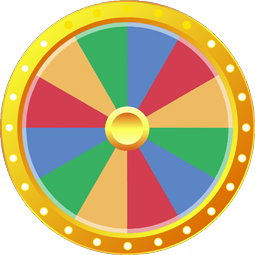

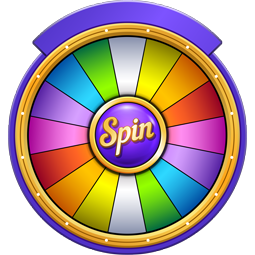



Pick one shared friend activity before the group plan stalls
Pick one solo activity that matches tonight’s personal mood