

 By Alex Bennett
Published
By Alex Bennett
Published
The Right Today Plan Wheel for Interrupted Mornings
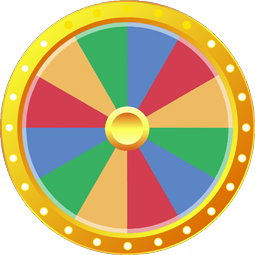
Today Plan Wheel is an online decision wheel built from 40 equally sized segments, among them Plan Task, Give and Best. Every spin returns a single result.
Your calendar is open, breakfast is cooling, and the first errand is already pulling at the edge of the morning. A Today Plan Wheel gives you one useful direction before family needs, work messages, and half finished thoughts scatter the day.
You do not need a perfect plan to start well. You need a small result that can survive interruption. Plan task, read page, walk park, drink tea, clean desk, stretch now, or write note can each become the first clean move.
The pressure comes from trying to place your whole day at once. You look at work, errands, calls, meals, learning, movement, and personal tasks as if they all need equal attention before you begin. That makes the morning heavier than it has to be.
A today plan wheel works best when you want momentum without rewriting the whole schedule. You give the wheel realistic options, spin once, and let the result point to the next usable step. One task can be enough.
Busy Planners Scan the Day Before Spending Energy
You probably scan the whole day before committing anywhere. The school pickup, the work block, the errand, the message you forgot, the thing you promised yourself you would fix. That scan can help, but it can also drain the energy you needed for the first action.
The wheel keeps the scan from becoming a stall. If it lands on focus, build, save, talk, give, or help, you get a direction that feels specific enough to begin. You are not solving the day. You are opening it.
That is the reward less setup, more motion. A good result lets you move before the day starts negotiating with you.
Adaptive Spins Beat Fixed Lists When Schedules Shift
A fixed list looks strong until the first change hits. One call runs long, one family request appears, one errand takes longer than expected, and the list starts to feel like evidence that you are behind.
An adaptive spin gives you a lighter way back in. If the morning changes and your original plan no longer fits, a flexible choice for the next available window can keep the day from collapsing around one missed block.
Some plans also involve other people. If the next decision depends on a friend, a shared task, or a social errand, a shared plan that includes another person gives the decision a better fit than a solo task wheel.
You still keep control of the options. The spin only helps you adapt faster when the schedule stops behaving.
Small Next Steps Make Progress Feel Possible
Progress gets easier when the next step is small enough to do now. Study bit, music time, snack time, chill bit, move, eat, learn, or work can each become a useful starting point when the day feels too wide.
If you need a cleaner planning frame for the day itself, a decision point built around today can help when the issue is not the activity, but the direction of the day. The result gives your energy a place to land.
The Today Plan Wheel should not turn into a second calendar. It should give you one manageable result. Use it when the next task matters more than the perfect order.
For other moments when your plan needs a different format, daily wheels for changing decision moments can support the smaller choices that appear after the first move is made.
A Focused Plan Keeps Moving Through Interruptions
Interruptions do not have to erase the plan if the plan is focused. A result like goal, path, choice, strategy, vision, or best can give the day a simple center before everything else asks for attention.
You may spin and get logic when you need order. You may get heart when the day needs care. You may get mood when your energy level should shape the plan instead of being ignored. The result works when it helps you match the next move to the real morning in front of you.
Keep the plan light enough to return to. That is how the day keeps moving after the first interruption.
Matrix core
The matrix core is the point where your day becomes easier to enter. Add choices that are specific, safe, and useful plan task for structure, call friend for connection, clean desk for reset, walk park for movement, or write note for mental sorting. Remove anything too vague to act on.
Some planning choices need numbers instead of names. If your next step depends on quantity, order, time blocks, or a simple count, a neutral number for planning limits can keep the decision concrete without adding another debate.
Flexible planning takes less effort because you stop forcing one morning plan to last the whole day. The wheel gives you a small result, you act on it, and then you adjust when life moves.
You make dozens of small planning decisions across errands, work, meals, calls, and quiet personal goals. In that wider rhythm, daily planning pressure across ordinary moments becomes easier to handle when each choice gets only as much structure as it needs.
A today plan wheel is useful because it rewards action quickly. It does not ask you to become a perfect planner. It gives you one focused task, one clear opening, and a better chance to keep moving when the day changes.
Move today forward with one focused task
Which task should I start with on the Today Plan Wheel?
Spin the wheel to pick one action immediately, such as Plan Task or Clean Desk, before your schedule fills up. Committing to that single result gives you momentum. You can enable the option to remove each winner from the wheel so completed tasks are not drawn again during your day.
Can this wheel help balance work tasks and quick breaks?
This wheel balances productive steps like Study Bit and Work with short rests like Drink Tea, Walk Park, or Stretch Now. All slices are the same size, so every task has an equal chance. If you prefer more study slots or fewer chores, entries are edited in the list next to the wheel.
How do I save the Today Plan Wheel for tomorrow?
Wheels can be saved directly in your browser so your customized plan is ready when you return. If you want to use the list across phones, tablets, or computers, signing in syncs your saved wheels to other devices. The tool is free and works without an account, keeping entries stored privately in your browser.
Is there a way to adapt this wheel for a quick office break?
You can modify the list next to the wheel to suit short breaks during work hours. Replace broader tasks like Learn or Build with specific break ideas like Stretch Now, Drink Tea, or Snack Time. You can type changes directly into the list or paste a whole new list at once using Text Mode.
More Decision wheels you might like
More wheels from the same category. Pick one and spin it in seconds.



Pick one solo activity that matches tonight’s personal mood