

 By Noah Reed
Published
By Noah Reed
Published
Funny Task Wheel for Quick Energy Shifts at Work
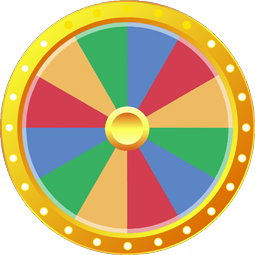
Funny Task Wheel is a free spinner listing 24 options — Talk Slow, Write Name and Smile Wide among them. Tap once and the pointer picks one at random.
You’re staring at your screen, switching between tabs, rereading the same line again. The funny task wheel becomes a small but powerful interruption one quick spin that replaces hesitation with movement.
Instead of deciding what tiny action might help, the choice is already made for you. That instant shift breaks the loop and introduces something light, simple, and surprisingly effective.
It doesn’t feel like a productivity tool at first. It feels like a reset button hidden inside a small moment.
The longer you stay stuck in the same micro task, the harder it becomes to move forward. That’s where small interruptions matter. Without them, your attention drifts, and even the simplest actions start to feel heavier than they should.
Micro break patterns that refresh focus during remote work
Short, low effort actions can reset your attention faster than a long break. A small shift standing up, adjusting posture, or doing a quick motion interrupts the mental loop and brings your focus back.
These patterns work because they don’t demand effort. They simply change the rhythm. In situations where your mind keeps circling the same task, light, positive prompt variations that redirect attention can create a similar reset effect without adding pressure.
That slight change is enough. You don’t need a full break to feel the difference.
Task randomness versus structured routines in productivity systems
Routines help you stay consistent, but they can also become predictable. Once that happens, your brain starts operating on autopilot, and engagement drops.
Introducing randomness creates contrast. It breaks the expected sequence and forces a small moment of awareness. In structured environments, unexpected choice variations that disrupt routine patterns can bring back a sense of novelty without disrupting the entire workflow.
This is where the funny task wheel becomes useful not as a replacement for structure, but as a controlled disruption inside it.
Light humor as a way to reduce repetitive work boredom
Repetition drains attention faster than complexity. The same action repeated too many times loses its impact, and your focus slowly fades.
Light humor interrupts that cycle. A small, unexpected task adds a moment of surprise, which reactivates attention. This effect becomes stronger when the action feels harmless and slightly playful, similar to simple challenge formats that introduce safe unpredictability into repetitive routines.
You don’t need a major change. A small shift in tone is often enough to restore energy.
Small task variety and its impact on attention recovery
Attention doesn’t disappear all at once it fades gradually. Small variations help recover it before it fully drops. A quick change in action creates a reset point that prevents deeper fatigue.
This is why variety matters at a micro level. Even a short, different task can interrupt the decline and bring your focus back to the main work.
Let the interruption stay short. That’s what makes it effective.
Task choice core
At its core, this system removes the need to think about what small action might help. Instead of deciding, you react. That difference reduces friction and speeds up recovery.
Observations from simple selection systems show that when choice is externalized, participation becomes easier. This pattern appears clearly in randomized name selection used to remove decision pressure, where the act of choosing is replaced by reacting.
The same principle applies here. The less you think about the next step, the easier it becomes to take it.
Momentum builds quietly. One small action leads to another, and your focus stabilizes without forcing it.
That’s the hidden strength of small randomness it keeps things moving without demanding attention.
In longer work sessions, these small resets prevent deeper fatigue. They don’t interrupt productivity they protect it.
That’s why expanding beyond a single task loop matters, especially in moments where scattered attention needs a broader reset context.
Introduce one random task to reset your focus now
What funny tasks can reset focus during remote work?
Quick physical or vocal actions help shift attention away from computer screens. Tasks on this wheel like Odd Pose, Spin Chair, Fake Laugh, and Hum a Tune take only a few seconds to complete. You can also turn on the setting to remove each winning entry after a spin, preventing tasks like Blink Fast or Walk Back from repeating.
When should I spin the funny task wheel while working?
Spin the wheel between meetings or whenever your attention starts to drift from your desk work. Doing a brief action like Drink Water, Fix Hair, or Sort Pens breaks monotonous screen time without taking up lunch breaks. The wheel works directly on phones, tablets, or desktop browsers without creating an account, so it is easy to keep open during your workday.
Can I add my own break activities to this wheel?
You can customize the wheel by editing the list next to the wheel or pasting new items in Text Mode. The wheel redraws instantly as you type your changes. You can also import task files in CSV, TXT, ODS, or Excel formats, and save modified wheels in your browser to sync across devices when signed in.
Does every funny task have an equal chance of being picked?
Every slice on the wheel has the exact same size, giving each task an equal chance of winning. Results are determined using your browser's cryptographic random generator rather than preselected outcomes. Whether the wheel stops on Point North, Count To 10, or Wave Hi, every outcome is selected fairly each time you initiate a spin.
More Random wheels you might like
More wheels from the same category. Pick one and spin it in seconds.




Open fridge hesitation turns into one dinner idea worth testing