
 By Maya Brooks
Published
By Maya Brooks
Published
Group Party Challenge Wheel for Fast Paced Shared Decisions
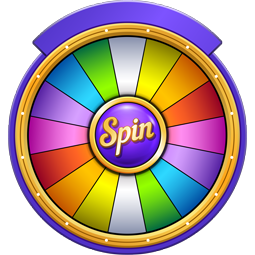
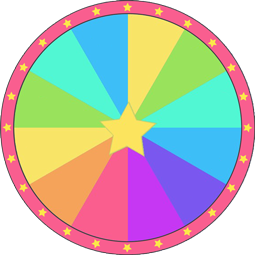
Group Party Wheel is a free random picker that holds 24 options such as Team Dance, Mafia Game and Vote Now. One spin lands on exactly one of them — no signup and no download.
Group Party Challenge brings a room full of people into one shared moment where everyone reacts together instead of waiting around for someone to take the lead. The energy builds fast when the outcome is not planned but instantly revealed.
You’re in the middle of a gathering, people are talking over each other, and the next activity stalls. That pause stretches just long enough to flatten the mood. This is where a single spin reshapes the room.
structured party game formats built for group interaction keep that momentum alive by turning hesitation into immediate collective action.
Spontaneous group reactions that trigger instant shared participation
One moment, everyone is standing around. The next, a random prompt lands and the whole group responds at the same time. That shift matters more than the activity itself. It creates a synchronized reaction that feels natural, not forced.
When sound, movement, and laughter hit together, the room changes. A simple rhythm or coordinated response pulls even quiet participants into the moment. The structure is invisible, but the effect is obvious.
Moments like a sudden beat or quick performance mirror the kind of interaction found in shared rhythm based party interactions that spark instant coordination, where timing matters more than planning.
Structured versus freeform games in high energy group settings
Freeform games depend on someone stepping forward. Structured randomness removes that pressure. Instead of waiting for a volunteer, the next move appears automatically, giving everyone equal footing.
This difference becomes clear when the room is split between outgoing and reserved personalities. A neutral system avoids awkward gaps and keeps the flow steady without relying on social confidence.
That balance becomes even more visible when comparing it to group challenges that blend randomness with guided participation, where structure supports energy without controlling it.
Energy spikes when groups respond to the same moment together
There’s a visible shift when everyone reacts at once. A shared cue creates a spike voices rise, movements sync, and attention focuses instantly. That’s the core advantage of a group party challenge setup.
Instead of fragmented side conversations, the room aligns for a few seconds. Those seconds are enough to reset attention and bring people back into the same experience.
This kind of unified reaction also appears in laughter driven group moments that spread across the entire room, where one trigger creates a ripple effect.
Fairness perception when outcomes feel unbiased and random
When outcomes are visibly random, complaints disappear. No one feels singled out or overlooked. The system distributes turns and actions without bias, which makes participation easier to accept.
In a group setting, fairness is not just about equal turns. It’s about how those turns feel. Randomness removes the need for negotiation, and that keeps the mood light.
That same sense of neutrality is reinforced through random selection systems that assign roles without personal bias, where trust comes from the process itself.
Group Play Engine
Group dynamics shift quickly when coordination becomes automatic. A shared system reduces hesitation, balances participation, and keeps momentum intact. This is not about controlling the group it’s about giving it a consistent rhythm to follow.
In environments discussed across platforms like Reddit, players often describe how random group systems reduce social friction and increase engagement. The pattern repeats: less thinking, more reacting, stronger connection.
Let the moment carry itself forward. Small shifts create bigger reactions.
Sometimes the difference is barely noticeable at first. Then the room aligns without effort.
Across different settings, moments where group interaction needs a neutral starting point often benefit from a simple shared trigger that keeps everyone involved without overthinking.
Spark instant group energy with one shared spin
What party games are on the Group Party Wheel?
The Group Party Wheel contains 24 quick group activities ranging from classic party games to physical mini-challenges. It includes team activities like Charades, Mafia Game, and Trivia War, alongside quick actions like Group Selfie, Team Dance, and Silent Game. You can edit entries in the list next to the wheel, and the slices redraw instantly as you add or delete items.
Which icebreakers can this wheel pick for a party?
Several entries work as fast icebreakers to get everyone participating together right away. Prompts like Song Chorus, Name Game, Clap Beat, and Back To Back encourage quick interactions without extensive rules. All slices are identical in size and selected using the browser's cryptographic random generator, giving each activity an equal chance of being picked.
Can the wheel remove picked party games so they do not repeat?
An option in the settings removes each winner from the wheel so no activity appears twice. Once an event like Joke Round or Duo Jump is selected, it disappears from the remaining pool for future spins. Labels automatically adjust in size as the list shrinks, ensuring you cycle through fresh games throughout your gathering.
Does this group wheel work well on a mobile phone?
This wheel functions directly in any mobile or tablet web browser, making it easy to pass around a group. You do not need to create an account or download an app to spin it. You can adjust the spin speed and sound effects to suit your environment, keeping group turns fast and audible for everyone present.
More Games wheels you might like
More wheels from the same category. Pick one and spin it in seconds.

Break repetitive Sims 4 story loops with unexpected narrative direction