

 By Maya Brooks
Published
By Maya Brooks
Published
Kids Lucky Game That Turns Rewards Into Fair and Fun Moments
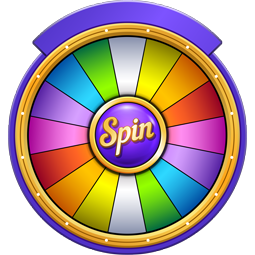
Kids Lucky Wheel is an online games wheel built from 24 equally sized segments, among them Gold Star, Bonus Point and Win Turn. Every spin returns a single result.
Kids Lucky Game doesn’t just hand out rewards it changes how children react to getting them. The moment a spin decides the outcome, attention shifts from “who gets what” to “what will happen next.” That curiosity drives the entire experience.
You see it instantly. A group of kids pauses, eyes fixed on the wheel, waiting for the result. The outcome matters, but the anticipation matters more. That short wait creates excitement before anything is even given.
The problem appears right after a reward is handed out manually. One child questions why someone else got something first. Another compares rewards. The energy drops, not because the reward is small, but because the process feels uneven.
In that same moment, the focus shifts away from play and into comparison. The experience stops being fun and starts feeling measured.
Excitement patterns when kids wait for a surprising outcome
Anticipation builds faster than any reward itself. Kids don’t react only to what they receive they react to the uncertainty before it. That short countdown creates shared attention across the group.
A random result removes predictability, and that unpredictability becomes the source of fun. Even simple rewards feel bigger when they arrive through a surprising process.
This kind of reaction is similar to unexpected reward moments shaped by spinning outcomes, where the wait becomes part of the experience.
Fixed rewards versus random distribution during playtime
Fixed systems look fair on paper, but they often create silent comparison. Kids remember who got what and when. Random distribution removes that tracking because no one controls the outcome.
Instead of questioning decisions, they accept the result as part of the game. That shift reduces tension without needing explanations.
In contrast, neutral outcome systems driven by chance based selection create a sense of balance that feels natural rather than enforced.
How anticipation builds before each spin in group play
The moment before the result appears becomes a shared pause. Everyone waits together, and that waiting aligns attention across the group. It turns individual expectations into a collective experience.
Short pauses like this keep the rhythm of play alive. They prevent the activity from feeling rushed or repetitive.
That pacing effect also appears in interactive play moments that rotate roles among children, where timing shapes engagement more than the activity itself.
Fairness perception when outcomes feel unbiased to everyone
Fairness is not only about equal rewards it’s about how those rewards are delivered. When outcomes feel random, children accept them without questioning intent.
This removes the need to explain decisions or justify choices. The system speaks for itself, and that simplicity keeps the focus on play.
Over time, this approach builds trust. Kids stop comparing and start enjoying the process.
Lucky Outcome Engine
Fairness improves when no one feels responsible for the outcome. A random system removes pressure from the person organizing the activity and places it on the process itself.
Discussions in communities like Reddit often highlight how probability bias and fairness perception shape group dynamics, especially in environments where rewards are visible and immediate.
This is where randomized outcome tools that balance reward expectations naturally reinforce trust without extra rules or explanations.
Small changes in delivery can shift the entire experience. The method matters as much as the reward.
The moment feels lighter when no one is in control of the result.
Across different play situations, interactive wheel formats that turn waiting into shared excitement help keep children engaged without overcomplicating the setup.
That same logic expands into broader situations where fairness needs to feel visible, such as moments where group based reward decisions need a neutral starting point without creating comparison or tension.
Create playful fairness moments with one lucky spin
Which rewards are on the Kids Lucky Wheel?
The wheel features 24 simple rewards and activities, including non-material treats like High Five, Happy Dance, and Story Time. It also contains tangible incentives such as Candy Time, Sticker Win, and Prize Box, alongside gameplay elements like Extra Turn and Skip Turn. You can edit any label in the list next to the wheel to match your own classroom or home incentives.
What happens if a child lands on Skip Turn?
Landing on Skip Turn simply passes play to the next child, adding a light game element alongside positive outcomes like Gold Star or Snack Choice. If you prefer to avoid negative outcomes, you can select and delete Skip Turn from the entry list beside the wheel, and the wheel will automatically redraw without it.
How can I save this wheel to use it again later?
You can save the wheel directly in your web browser without creating an account. If you want to access your customized Kids Lucky Wheel across other phones, tablets, or computers, signing in to an account will automatically sync your saved wheels across those devices. Entries stay stored in your browser and are never published publicly on the site.
Can I turn this prize wheel into a classroom chore picker?
You can adapt this wheel for classroom chores by replacing reward labels with tasks like wiping boards, collecting papers, or lining up leaders. Switching to Text Mode allows you to paste an entire list at once, one chore per line. You can also enable the option to remove each winner so chores are not assigned twice during the same session.
More Games wheels you might like
More wheels from the same category. Pick one and spin it in seconds.

Break repetitive Sims 4 story loops with unexpected narrative direction


Spin random challenge wheel and trigger quick playful home movement