

 By Alex Bennett
Published
By Alex Bennett
Published
The Right Lucky Dessert Wheel for Family Dessert Night
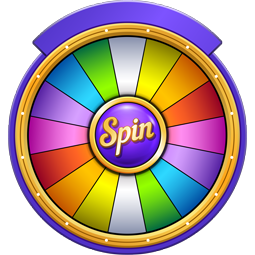
Lucky Dessert Wheel is a free online wheel spinner with 24 options, including Lava Cake, Mud Pie and Madeleines. Click or tap the wheel and it stops on one random result.
At the family table after dinner, forks tap plates while the kids wait to see who gets the next sweet reveal. A Lucky Dessert Wheel turns that pause into a tiny dessert tournament instead of another quiet plate of the usual cake.
Serving dessert without suspense is the boring version. The better version lets Lava Cake feel like a dramatic win, lets Gelato cool the room down, and lets a Fruit Tart land like the fresh choice nobody had to argue for.
The table changes when dessert becomes a game. Someone cheers for Tiramisu, someone hopes the wheel avoids Pecan Pie, and the final result gets a reaction before anyone takes a bite. That reaction matters because family dynamics are part of the treat.
For food based wheels that fit shared meals, family friendly food spins for table moments keep the same playful structure across snacks, dinners, and desserts.
Families Taking Turns for the Dessert Reveal
The first spin should not feel like a chore. It should feel like a turn. One person gets to send the wheel moving, another gets to call out the result, and suddenly Creme Brulee or Red Velvet has more energy than it would have had sitting quietly on a tray.
A lucky sweet wheel spin works because everyone watches the same result arrive. If the wheel lands on Panna Cotta, the calm option wins. If it lands on Mud Pie, the richer dessert gets the spotlight. The fun is not only the sugar; it is the reveal.
Keep the turn taking simple. The room should stay playful, not procedural.
When the group wants the dessert itself to answer the question, a sweet result that settles the table fits the same reveal first mood without turning it into a long discussion.
A Dessert Challenge Beats the Usual Sweet Plate
A plain dessert plate says, “Here it is.” A challenge says, “Let’s see what wins.” That small shift changes Banana Bread, Lemon Bar, and Carrot Cake from background sweets into competitors with a little crowd energy.
The Lucky Dessert Wheel is especially strong when the family already has several treats on hand. Bread Pudding may feel like the cozy contender, Rice Pudding may suit the quieter eater, and Mousse can become the smooth favorite that gets a quick cheer.
There is no need to overbuild the rules. A quick spin, a visible result, and a shared reaction are enough.
If dessert surprise leads naturally into another drink style reveal later, a matching lucky drink moment can carry the same game energy without mixing the two spins together.
Anticipation While Everyone Waits for the Treat
The wait is part of the dessert. That is where novelty seeking works in a harmless way nobody needs a brand new dessert every time, but everyone enjoys not knowing whether the wheel will point to Trifle, Jelly, or Custard.
A good dessert menu can support that anticipation when the options are clear before the spin starts. a visible dessert lineup before the reveal helps the family understand what is in play before the lucky result lands.
The strongest options have different personalities. Peach Cobbler feels warm and homestyle. Profiterole feels a little more special. Madeleines make the result feel light and shareable. The wheel works because those differences are easy to feel.
The Final Dessert Becoming a Small Family Event
The final result should feel like a moment, not a command. If the wheel lands on Financier, someone may split it with tea. If it lands on Galette, the table gets a rustic finish. If it lands on Lava Cake, the night ends with a bigger reaction.
This is where the lucky dessert wheel earns its place. It saves everyone from overthinking because nobody has to debate preferences, but keeps the decision fun enough to feel shared. The result becomes the story of dessert.
For families, that is the real win. The sweet matters, but the little countdown before it appears matters too.
Lucky treat system
A strong dessert challenge has a clear pool, fair turns, and safe swaps. If someone cannot eat a certain item or simply dislikes it, the wheel can allow one friendly redraw before the game begins to feel unfair. That keeps randomness playful instead of frustrating.
Names, turns, and group fairness also matter when several people want a role in the reveal, and a fair turn order for shared spins can support the challenge when the dessert is only one part of the family game.
The best version is not the most complicated one. It is the one the table understands in seconds.
A family dessert spin also connects to bigger after dinner routines, where small shared choices that keep the table moving can make ordinary moments feel less flat. Dessert becomes one example of a broader habit turn a simple choice into a small event that everyone can follow.
The lucky dessert wheel works because it protects the fun from getting buried under discussion. It gives the family a result, a reaction, and a treat that feels earned by the spin.
Start a dessert challenge after family dinner
Which desserts are included on this dessert wheel?
This wheel contains 24 classic desserts, ranging from baked dishes to chilled sweets. You will find items like Lava Cake, Tiramisu, Gelato, Panna Cotta, Creme Brulee, Red Velvet, Lemon Bar, and Peach Cobbler. If your household prefers specific puddings or pastries, you can spin to pick one at random, or turn on the setting that eliminates winners after each turn.
Can this wheel pick between baked treats and cold puddings?
The wheel balances warm baked items and chilled dishes across its 24 options. Baked goods like Banana Bread, Carrot Cake, Pecan Pie, and Galette sit alongside cold choices such as Custard, Jelly, Mousse, and Rice Pudding. You can delete any category you are not serving directly in the list next to the wheel before you spin.
How do I add my own dessert recipes to the wheel?
You can type new desserts directly into the list next to the wheel. Slices update immediately as you write. You can also switch to Text Mode to paste a list of family favorites at once, or import items from a spreadsheet file such as CSV or XLSX. The tool is free and requires no account.
Does every dessert have an equal chance to win?
Every dessert on the wheel has the exact same probability of being selected. All slices are identical in size, whether displaying Madeleines, Profiterole, or Mud Pie. When you click spin, the outcome is determined by your web browser's cryptographic random generator, ensuring each treat has an equal and fair chance on every spin.
More Food wheels you might like
More wheels from the same category. Pick one and spin it in seconds.




Choose one global cuisine and move dinner forward without hesitation