

 By Maya Brooks
Published
By Maya Brooks
Published
Minecraft Survival Build Your First Clear Path Fast
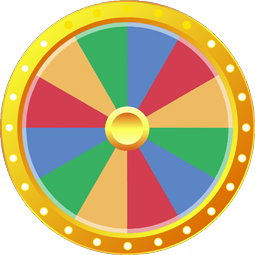
Minecraft Survival Wheel is a free random picker that holds 24 options such as Mine Iron, Brew Potion and Shear Sheep. One spin lands on exactly one of them — no signup and no download.
Minecraft Survival starts the moment daylight begins to fade and your first choices lock in your night. You don’t need a perfect plan you need a clear first move that carries you forward without hesitation.
The faster that first action becomes obvious, the easier everything else connects. One direction leads to shelter, tools, and momentum before darkness closes in.
Right after spawning, your focus narrows to what actually matters. That’s why the random wheel system that removes early game hesitation becomes useful before confusion slows progress.
Rushing early tasks before nightfall in survival mode
You’re standing in an open field, the sun already shifting lower, and your inventory is empty. Every second spent looking around delays the moment you secure basic resources.
This is where high risk survival choices under pressure reflect a harsher version of the same challenge. Acting fast matters more than acting perfectly.
A single decision gather wood, hunt, or locate a cave creates a chain reaction. Once you commit, progress accelerates. Pause too long, and the first night becomes reactive instead of controlled.
Structured survival planning vs spontaneous exploration paths
You might think planning every step is safer, but early survival often rewards momentum over structure. Overplanning delays the first move that actually changes your situation.
There’s a different rhythm in goal driven adventure sequences with guided tasks, where direction is predefined. But here, your starting choice defines everything that follows.
Quick commitment creates clarity. The path reveals itself as you act, not before. That’s how Minecraft Survival becomes manageable instead of overwhelming.
First day survival pressure with no clear direction
The pressure isn’t abstract it’s immediate. You see animals nearby, trees behind you, and distant terrain that might hide better resources. Each option pulls your attention in a different direction.
That same tension appears in open world mission paths where direction changes outcomes, where choosing late creates risk.
Locking into one action removes that split focus. Suddenly, your movement feels intentional. The world stops being a list of possibilities and becomes a path forward.
Clarity after committing to a single survival action
The moment you act, uncertainty disappears. Tools come next. Then shelter. Then food. Each step builds naturally from the first decision.
Even broader formats like randomized selection systems for structured choices show the same pattern commitment triggers progress.
Clarity isn’t something you wait for. It appears after you move. That shift is what defines early Minecraft Survival success.
Survival Start Core
Early survival is less about strategy and more about reducing mental load. When your brain stops juggling options, your actions become faster and more effective.
That shift becomes clearer when you step back and view how different decision moments connect across gameplay situations, where narrowing options consistently leads to faster execution.
That’s why narrowing your focus early changes the entire experience. Everything feels lighter. Movement becomes direct.
Keep that forward motion going. Let the next step come naturally.
Start your first night with one clear survival action
What should I do first in Minecraft survival?
The wheel selects a starting objective like Chop Wood, Build Hut, or Hunt Sheep to guide your opening moves. Once you complete your first goal before nightfall, you can spin again for follow-up objectives like Mine Iron or Craft Bed. You can also toggle the option to remove each winner so completed goals do not repeat.
Which tasks are best for day one on this wheel?
Early day-one tasks on this wheel include Chop Wood, Craft Bed, Build Hut, and Cook Meat to secure basic shelter and food. Advanced entries such as Enter Nether, Find Strnghd, and Slay Dragon serve later game stages. You can delete endgame slices from the list next to the wheel so only urgent survival goals remain active.
How do I paste my own Minecraft task list into the wheel?
Switch to Text Mode to paste an entire list of custom objectives into the box at once. Enter one task per line, such as Mine Diamond or Tame Wolf, and the wheel redraws instantly to display your new slices. This allows you to replace the default 24 survival goals with your own challenge run tasks in seconds.
Does this Minecraft wheel work on mobile phones?
This wheel runs directly inside any mobile browser on phones and tablets without requiring an app or account. Touch the wheel to spin while playing Minecraft on your console or computer nearby. All slices have equal probability, using your device's cryptographic random generator to pick fair tasks like Find Village or Mine Gold while on the go.
More Games wheels you might like
More wheels from the same category. Pick one and spin it in seconds.

Break repetitive Sims 4 story loops with unexpected narrative direction



Spin random challenge wheel and trigger quick playful home movement