

 By Alex Bennett
Published
By Alex Bennett
Published
Clearing the Dining Table, Party Theme Wheel
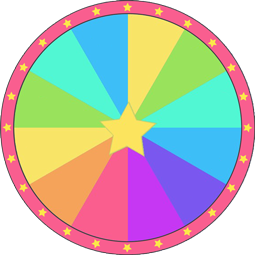
Party Theme Wheel is a free random picker that holds 38 options such as Italian Night, Wrap and Spicy. One spin lands on exactly one of them — no signup and no download.
The dining table is half cleared, guests are texting arrival updates, and the first awkward silence is already easy to imagine. A Party Theme Wheel helps turn that pressure into one shared dinner idea before the room has to create energy from nothing.
Ordinary menu planning asks, “What should we serve?” A theme asks, “What kind of night are we building?” That difference matters when the guest list mixes close friends, quiet coworkers, and people who only know one person in the room.
A theme gives everyone something to enter. Italian night can make the table warm and familiar. Taco Tuesday feels casual and easy. Sushi bar, retro 80s, garden picnic, French bistro, pizza, pasta, brunch, or tea can each create a different social rhythm before the first plate is full.
The problem with a plain dinner plan is that it puts all the social work on conversation. Guests arrive, scan the room, and wait for someone else to create the mood. A clear theme does some of that work early.
For hosting choices that need a clean decision frame before the menu spreads out, dinner decisions with a clear starting point can keep the planning practical instead of turning the table into a guessing game.
Menus Work Better When They Match the Room’s Mood
A menu can be good and still feel wrong for the room. Soup and salad may fit a quiet lunch. Burger party may fit a louder group. Greek feast or garden picnic can make mixed guests feel less formal because the food itself gives people something to notice together.
The Party Theme Wheel works better than silent planning because it makes the expected mood visible. If the spin lands on BBQ feast, pizza, wrap, bowl, or fruit, the host can ask whether that result fits the people arriving, not just the food they personally like.
When the night needs more movement after dinner, a game direction for guest energy can extend the theme into shared activity. That keeps the room from dropping back into small clusters too quickly.
Themed Dinner Flow Beats Ordinary Guest Menu Planning
Ordinary planning stacks dishes. Themed planning builds flow. Retro 80s can shape music and colors. French bistro can guide table setup. Taco Tuesday can make toppings, dips, sauces, and sides feel like one simple experience instead of separate decisions.
This is the advantage of a party theme wheel it reduces creative fatigue while still leaving room for hosting style. A result like vegan, keto, seafood, grill, bake, or spicy can guide the food direction without forcing every detail at once.
Do not start with perfection. Start with the feeling the table should carry.
Guest Reactions Shape the Theme’s Social Energy
Guests react faster to a shared theme than to a private menu logic. A cheese board, bread basket, spicy sauce, sweet tart, cake, or pie can become a conversation point when it belongs to the night’s theme. Without that frame, it is just food on the table.
For guests who may need a softer way into the evening, a relaxed hangout idea for mixed comfort levels can support the social side of the plan. The goal is not only to feed people; it is to help them feel included.
If the host is juggling timing, setup, and guest flow, a host focused plan for the room can keep the theme connected to how the night actually runs. A good idea has to survive real arrival times, not just look good in a group chat.
The best result is the one guests can understand quickly. If they get the mood without needing an explanation, the theme is doing its job.
The Table Connects Once the Theme Lands
A connected table does not happen by accident. It happens when the food, mood, and guest behavior point in the same direction. Italian night with pasta and salad creates one kind of warmth; sushi bar with mocktail and juice options creates another kind of clean, social focus.
A Party Theme Wheel helps because it gives the host a shared center. Once the result lands, the host can choose matching details salt and sweet balance, dip and bread, cake and coffee, fruit and tea, or a simple brunch spread.
That center lowers the pressure. Instead of inventing a perfect dinner from scratch, the host builds around one result that guests can recognize.
Theme core
The theme core is the point where the spin becomes a hosting plan. Add safe, guest friendly options such as Italian night, taco night, sushi bar, garden picnic, French bistro, burger party, Greek feast, pizza, pasta, salad, mocktail, juice, cake, fruit, cheese, bread, dip, or sweet. Remove anything that would make the room uncomfortable or exclude guests without reason.
Some hosting decisions need numbers more than themes. If the question is how many dishes, how many groups, how many rounds, or how many seats to prepare, a number result for party planning limits can make the next step concrete without adding another debate.
Creative fatigue fades when the host stops comparing every possible dinner idea and starts building from one clear trigger. Novelty works best when it still feels usable, familiar enough for guests to join, and specific enough to make the night memorable.
Hosting is rarely one decision. It includes the theme, the menu, the seating, the first activity, the tone of the room, and the moment guests begin talking naturally. Across those small social choices, shared hosting decisions that shape the room become easier when the first prompt gives everyone a common direction.
A party theme wheel is most useful when the dinner needs energy before the room provides it. Spin for the theme, match the food to the mood, and let the table start the conversation.
Host tonight around one shared theme
What food themes are on the Party Theme Wheel?
The wheel includes full dining styles like Italian Night, Taco Tuesday, and French Bistro, alongside casual formats such as BBQ Feast, Garden Picnic, and Sushi Bar. It also includes specific food items like Pizza, Seafood, and Mocktail. If an entry does not suit your event, you can delete it from the list beside the wheel.
Can I customize the party theme list for dietary restrictions?
You can edit the list directly to focus solely on dietary themes like Vegan or Keto. Simply type your custom items into the text box next to the wheel, and the slices redraw instantly. You can also paste an entire list using Text Mode, placing one theme per line to suit your specific group.
How do I turn off the ticking sound on this wheel?
You can disable the audio in the wheel settings, where ticking, win, and lose sounds can each be toggled off individually. This allows you to spin for options like Retro 80s or Greek Feast silently without interrupting background music, conversation, or meetings while organizing your upcoming dinner.
Does the Party Theme Wheel work on a mobile phone?
The Party Theme Wheel works fully inside mobile and tablet web browsers without downloading an app or creating an account. You can pass your phone around a gathering so guests can watch the pointer land on Burger Party, Cake, or Brunch. All slices remain identical in size on any screen.
More Decision wheels you might like
More wheels from the same category. Pick one and spin it in seconds.




Pick one outdoor activity before the indoor option takes over