

 By Alex Bennett
Published
By Alex Bennett
Published
Pasta Wheel for Picking a Dish Without Dragging Out the Choice
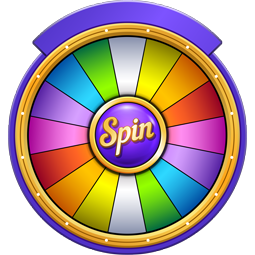
Pasta Wheel is a free spinner listing 24 options — Orecchiette, Penne and Cavatappi among them. Tap once and the pointer picks one at random.
The pasta wheel works best in the exact moment a meal choice starts wasting time. One dish sounds rich, another feels safer, and the table, kitchen, or delivery app stays open while the decision keeps slipping. This tool cuts that delay fast and turns dinner into a result instead of a debate.
Comparison feels useful at first. It usually is not. The longer you weigh sauces, shapes, and comfort levels, the less clear the next step becomes, especially when you were only trying to pick one satisfying plate and move on.
That is why a random choice can outperform careful comparison here. You do not need a perfect answer. You need one good dish you can commit to and enjoy.
Making a pasta choice easier when one quick answer matters more than comparison
Start with the result you actually need one plate, one direction, no extra loop. The pasta wheel is useful because it removes the false idea that a longer comparison will always improve dinner. In a busy restaurant or during a tired evening at home, a protein based meal direction that settles dinner fast shows the same principle clarity matters more than endless option sorting.
That shift saves more than a few seconds. It protects the mood of the meal, keeps ordering simple, and gets you moving toward the part that matters: eating.
Using random pasta decisions at home or while ordering out
Home and restaurant decisions create different pressure, but the payoff is similar. At home, the issue is often ingredients, energy, and how much effort feels reasonable. While ordering out, the issue becomes menu overload, price differences, and the feeling that one wrong pick will disappoint the whole meal.
A random tool helps because it lowers the emotional weight of the choice. Instead of trying to rank every option, you accept one direction and act on it. That makes dinner feel lighter, not careless.
Trying pasta types you usually ignore can make meals more interesting
Comfort often narrows your choices before the meal even starts. You tell yourself you always go back to the same safe dish, and that habit quietly removes variety from the table. A random spin reopens options you might skip for no real reason.
That is also why people who like hearty comfort food often jump between categories before settling, and a richer dinner route built around smoky comfort can reflect the same craving from another angle.
Sometimes the better outcome is not the familiar one. a fast comfort pick with a different kind of meal payoff highlights how quickly preference can shift once the pressure to choose disappears.
Getting instant meal direction when too many food options compete
Not every food decision deserves a long internal discussion. Some nights call for speed, and the pasta wheel fits that job because it turns a crowded set of meal ideas into one usable answer. If you want a wider pool before landing on one dish, the broader collection of meal and decision wheels gives that larger starting point without slowing the final pick.
The real advantage is momentum. Once the decision lands, your energy moves from comparing toward cooking, ordering, or serving.
No More Pasta Debate
That angle matters because pasta rarely fails on taste. The stall happens before the first bite, in that small stretch where every option seems close enough to compete. A random trigger changes the situation by ending the back and forth before it drains the meal.
That same idea explains why a neutral randomizer that resolves choices without personal bias feels useful across food decisions too. It gives the outcome enough structure to feel fair, which makes committing easier.
Once that pattern clicks, you start seeing dinner choices differently. Instead of treating every meal like a test, the full collection of decision tools in one place makes it easier to match the moment, pick quickly, and keep the experience enjoyable.
Spin the pasta wheel to pick your next dish
Which pasta shapes are on the pasta wheel?
The wheel includes 24 distinct pasta options, ranging from long cuts like Spaghetti and Bucatini to short shapes like Farfalle and Rigatoni, plus stuffed options like Ravioli. You can edit this list in the text panel next to the wheel, deleting types you do not have in your pantry or adding regional varieties. The wheel redraws instantly as you type.
Can I remove stuffed pastas like Ravioli if I want dry pasta?
You can delete any entries, such as Ravioli, Gnocchi, or Tortellini, by editing the list directly beside the wheel. If you only want long noodles like Linguine or Fettuccine, clear the panel and paste your custom list at once using Text Mode. You can also turn on the option to remove each winner after a spin.
How do I embed this pasta wheel on my food blog?
You can embed this pasta wheel on your website or blog using the code provided on the /embed page. The embedded wheel remains fully functional for your visitors, allowing them to spin for shapes like Penne or Cavatappi on desktop, phone, or tablet. The tool is free to use and does not require an account.
Does every pasta on the wheel have an equal chance of winning?
Every pasta entry on the wheel has the exact same probability of being selected. All slices are rendered at identical sizes, and the winning slice is chosen using your browser's cryptographic random number generator. Whether the wheel lands on Angel hair, Orzo, or Cannelloni, the outcome is mathematically unbiased on every single spin.
More Food wheels you might like
More wheels from the same category. Pick one and spin it in seconds.